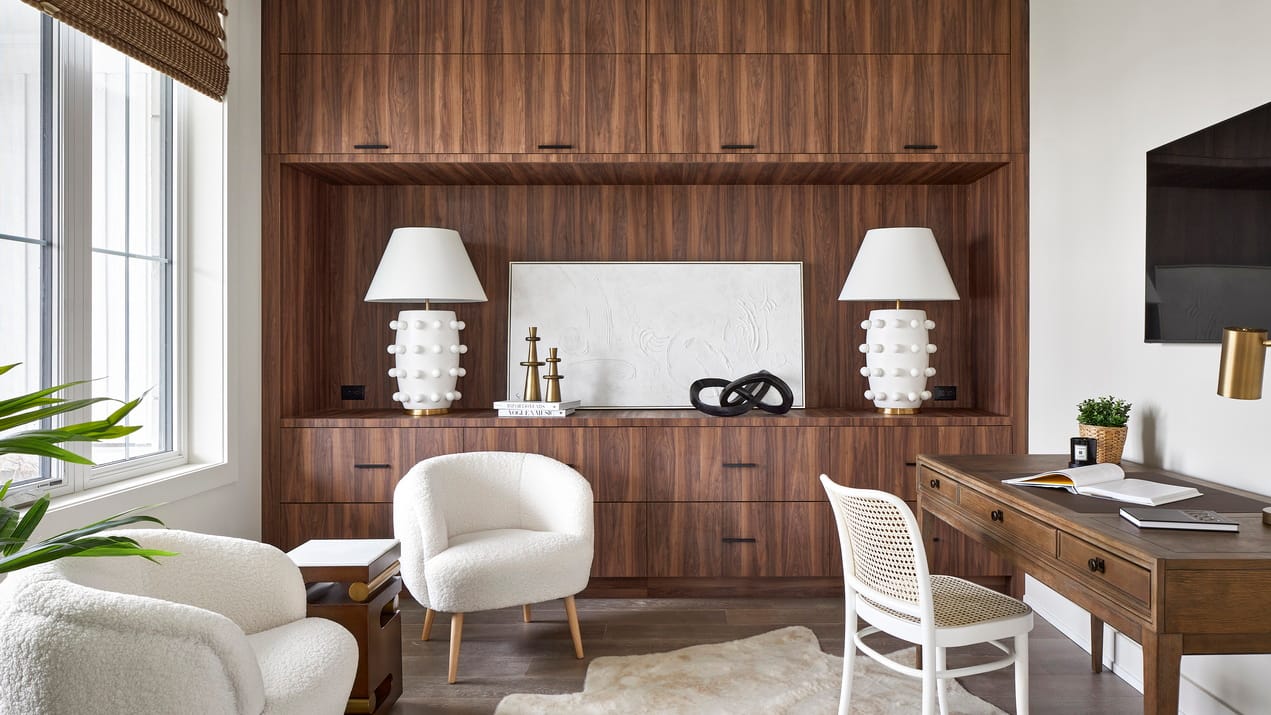
As remote and hybrid work have become a lasting part of how many of us work, having a dedicated workspace that is both functional and esthetically pleasing has become essential for productivity, focus and overall well-being.
A well-designed home office can help you separate your professional life from your personal one, even within the confines of your own home. Working from your kitchen table amid all sorts of household clutter isn’t a good way to get work done.
If most of your day is spent in your office, you’ll enjoy it a lot more (and actually do more) if you’re working in a dedicated room designed to be exactly what you need it to be.
Each home office space is unique and needs to be tailored to specific requirements and preferences — whether you’re looking to maximize storage space, optimize workflow, or incorporate ergonomic features — for a space that meets your practical needs, reflects your personal style and adds to your home’s overall ambience.
Here are nine home office tips to help you make the most of your space.
#1: Understand your space
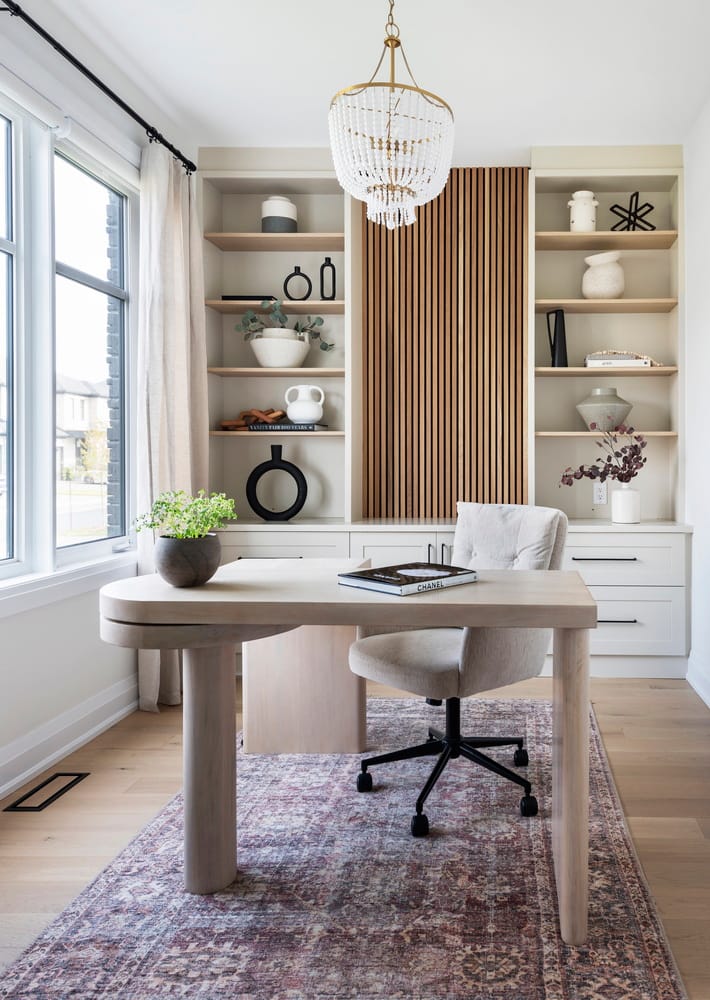
To get the most out of the room or area you’ll use as an office, you need to consider the entire space.
First, take note of the natural light sources in the room, such as windows and skylights. Natural light can enhance productivity and mood, so consider positioning your workspace near these sources to maximize exposure.
If you’re working with a smaller space, every square inch counts. Prioritize functionality and select furniture and accessories that serve multiple purposes and maximize storage potential. For example, choose a desk with built-in drawers or shelves to keep essentials within reach.
Make use of vertical space to maximize storage and reduce home office clutter — without taking up valuable floor space. Install floating shelves or wall-mounted cabinets to store books, office supplies and decorative items. Vertical storage solutions can help keep clutter off your workstation and create a sense of openness in the room.
Look for furniture pieces that are specifically designed for small spaces, such as foldable desks, nesting tables or wall-mounted workstations. These versatile pieces can be easily stowed away when not in use, allowing you to reclaim valuable floor space when needed.
This is especially important if your home office is a multi-functional space (for example, it also serves as a guest room). Invest in storage solutions such as bins, baskets and trays to corral paperwork and office supplies. By minimizing visual clutter, you can create a more peaceful and focused work environment.
#2: Your desk matters
Spending long hours seated at a desk can take a toll on your body, leading to discomfort, fatigue and even musculoskeletal issues. A comfortable chair and desk are essential for supporting proper posture, reducing strain on your body and minimizing the risk of discomfort or injury.
A good-quality desk and chair allow you to work comfortably for extended periods and can also help you maintain optimal body alignment, reducing fatigue and enabling you to stay focused on your tasks.
Experienced designers bring a range of ideas for furnishing your home office:
Ergonomic chair: Look for a desk chair that provides adequate lumbar support to maintain your spine’s natural curve. Adjustable features such as seat height, armrests and backrest tilt are essential for customizing the chair to your body size and preferences. Consider options with breathable mesh backrests for enhanced comfort and airflow.
Adjustable or standing desk: Ideally, you should get an adjustable desk that allows you to alternate between positions throughout the day. This will reduce the risks associated with prolonged sitting. There are dozens of types and styles of standing desks, such as powered or hydraulic lifts. If you don’t have the budget or space for an entire standing desk, there are monitor stands and adjustable attachments that will raise your monitor, keyboard and mouse up to standing level.
Keyboard tray and monitor stand: Supplement your ergonomic setup with accessories like a keyboard tray and a monitor stand to promote proper posture and reduce strain on your wrists and neck. Position the keyboard at elbow height and the monitor at eye level to maintain a neutral posture and minimize discomfort during extended periods of typing and screen viewing.
Footrest: For added comfort and support, consider using a footrest to alleviate pressure on your lower back and legs. A height-adjustable footrest lets you find the optimal foot position, promoting circulation and reducing fatigue during prolonged sitting.
#3: Lighting can be everything
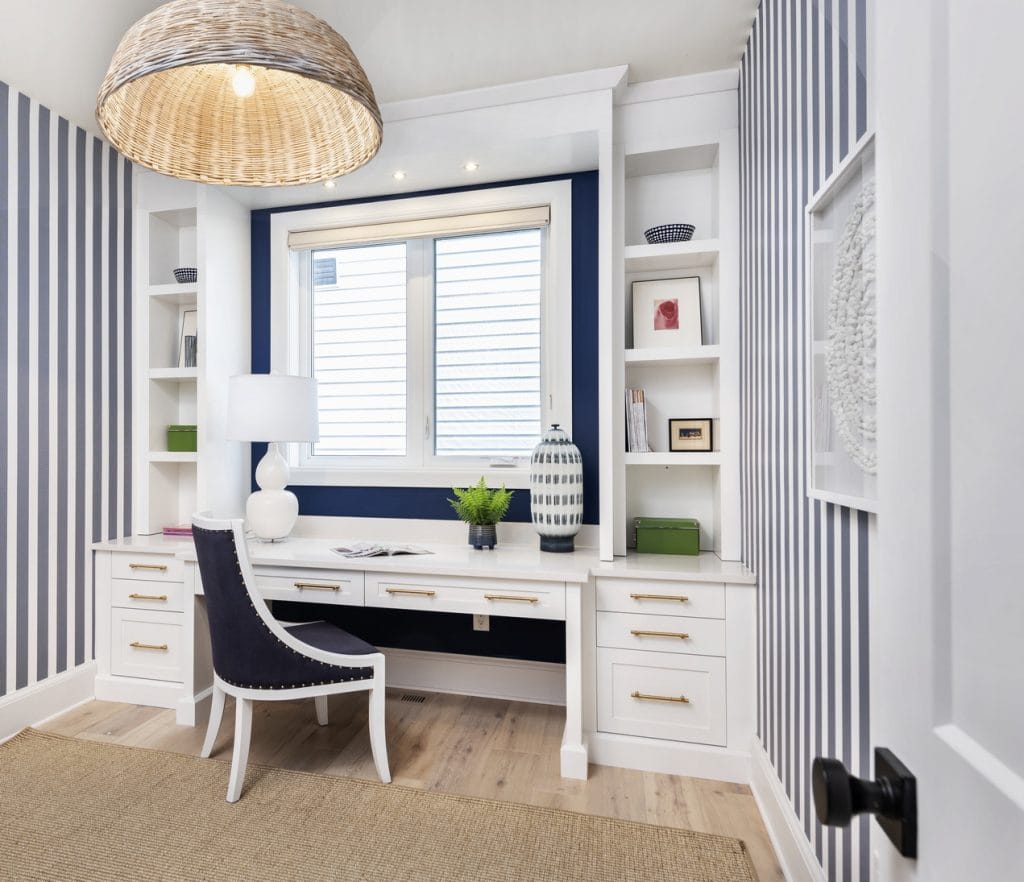
Good lighting plays a crucial role in shaping the atmosphere and functionality of a home office. If your home office’s window allows for plenty of natural light, you should try to keep your curtains or blinds open throughout the day.
If your home office is in a darker part of your house, add desk lamps or adjustable overhead fixtures to provide focused illumination for your desk. Use ambient lighting, such as ceiling-mounted fixtures or wall sconces, to provide overall illumination and create a comfortable and inviting atmosphere in your home office. Soft, diffused lighting can help reduce eye strain and create a sense of warmth and cosiness.
If you’re experiencing glare on your screens (or don’t want the neighbours peeking in to see what you’re working on), install sheer curtains or blinds to diffuse harsh sunlight and prevent glare on computer screens and work surfaces. Window films can also be used to soften incoming daylight while preserving privacy, allowing natural light to remain a defining feature of the space.
#4: Shelves & closet storage solutions
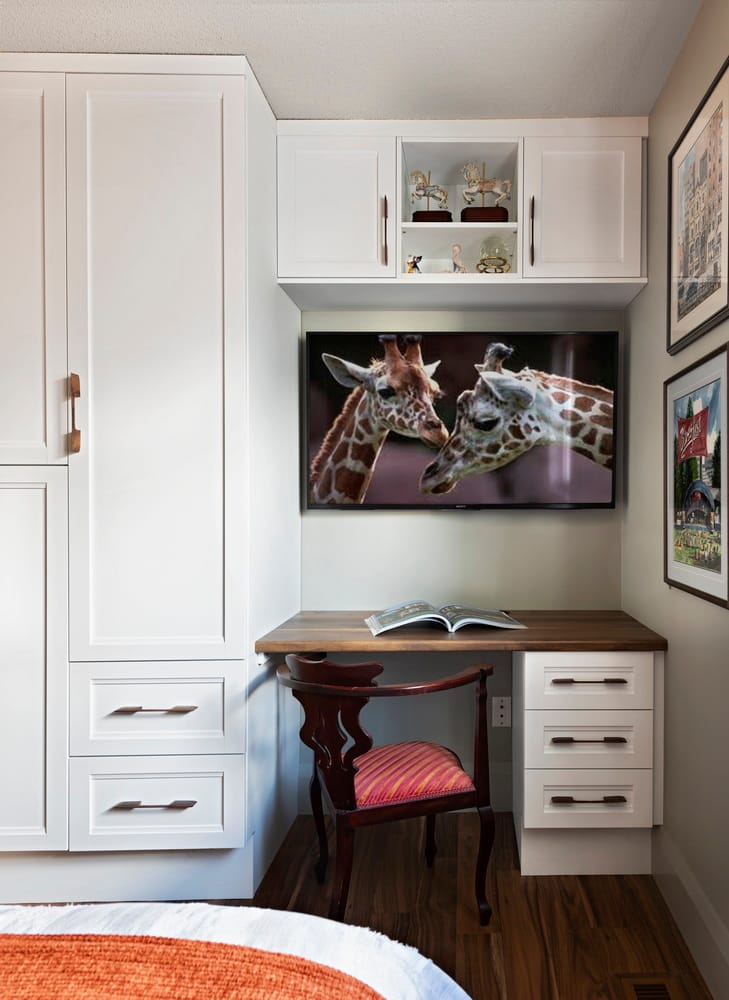
While the right desk or a side table with ample drawers may meet your basic needs, custom cabinetry and custom-designed closets offer a more integrated storage solution:
- Optimize every inch of available space in your home office, including awkward corners, alcoves and underutilized areas.
- Whether you require dedicated space for filing documents, storing office supplies or concealing electronics, custom cabinets can be designed to accommodate your workflow and organizational style.
- Built-in shelving, concealed storage compartments, pull-out shelves and integrated filing systems help maintain a clean and organized appearance in your home office. Unsightly clutter stays out of sight while essential items remain easily accessible when needed.
- As part of an integrated design, you can create a custom look that complements your decor and reflects your personal style. Custom cabinets can be designed to seamlessly blend with existing furnishings and architectural elements, creating a cohesive and polished appearance.
#5: Personalize your space
Personalizing your home office is essential for shaping a space that reflects your personality and style. If you’re doing lots of video calls, your office will likely be seen by clients and coworkers. Here are some ideas to add a little personal touch to your home office design:
Sentimental items: Surround yourself with items that hold personal significance, such as photographs, artwork or souvenirs from memorable experiences.
Accents: Add decorative accents that reflect your interests, hobbies and passions —maybe it’s a collection of vintage books, a display of your favourite musical instruments or a gallery wall of inspirational quotes. Incorporating decorative elements that resonate with you can enhance the visual appeal and personality of your workspace.
Artwork: Find or create artwork specifically for your home office that reflects your unique style. A custom painting, a framed art print of your favourite quote, a handmade sculpture or any personalized artwork adds a touch of individuality and creativity to your workspace.
Textiles: Add warmth and comfort to your home office by incorporating throw pillows, area rugs or curtains.
Furniture: Personalize your home office furniture. Choose vintage or custom furniture pieces, such as a colourful accent chair or a handcrafted shelving unit.
Seating: If you are lucky enough to have a spacious home office, designate a cosy seating area in the room where you can read, brainstorm or simply take a moment to recharge.
#6: Technology integration
Nobody likes to work around a messy jumble of wires and cables. Minimize cable clutter by investing in wireless technology whenever possible, such as wireless printers, keyboards, mice and speakers.
While wireless tech is nice, some wires are inevitable. Use cable management solutions such as cable trays, raceways or cable sleeves to conceal and organize cables and cords, as well as custom cabinetry designed to route wires cleanly behind panels and within millwork. You can also use cable clips or Velcro ties to secure cables and route cables along the back of your desk or behind furniture to keep them out of sight and prevent tangling.
Your office space should have a dedicated charging station to accommodate smartphones, laptops and the vast array of portable tech that power your workday, from wireless earbuds to smartwatches and keyboards. Install a charging dock or charging shelf with integrated power outlets, USB ports and wireless charging to keep devices organized and charged while minimizing cable clutter.
#7: Colour psychology
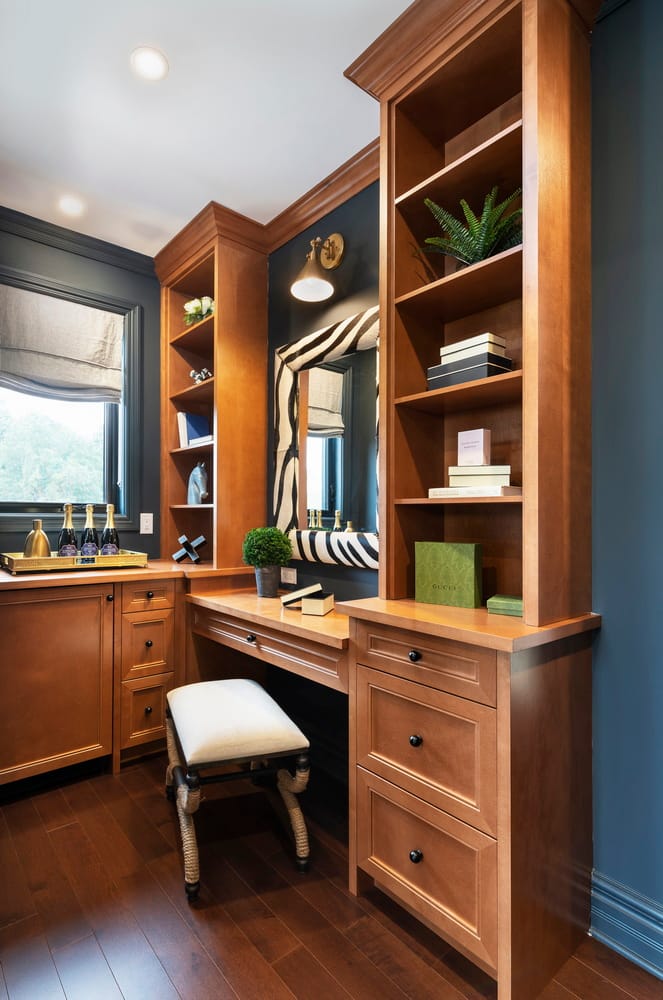
Depending on the type of work you’ll be doing, the colour scheme of your office can play a part in how effective that work is. Calming hues like blues and greens can create a serene atmosphere — ideal for busy, high-stress roles that require sustained focus and attention.
If you’re looking to boost creativity or energy (for instance, you’re doing a lot of sales calls, producing art or teaching), energizing shades like yellows and oranges can provide a vibrant, stimulating workspace.
Pay attention to the colour temperature of your light bulbs, too. Cool white or daylight bulbs (around 5000-6500 Kelvin) mimic natural daylight and can help promote alertness and focus during the day. Warm white bulbs (around 2700-3000 Kelvin) are better suited for evening work sessions, as they create a relaxing and calming environment.
#8: Greenery
Incorporating greenery into your home office enhances esthetics and offers numerous benefits for mood and overall well-being. Research suggests that exposure to nature, even through indoor plants, can reduce stress, anxiety and negative feelings, promoting mental clarity and creativity.
Greenery also does wonders in adding visual interest, texture and colour to your home office. Plants can soften hard edges, add warmth and character to the space, and enhance the overall esthetics of your home office.
Some good indoor plant varieties include:
- Snake plant (Sansevieria)
- Peace lily (Spathiphyllum)
- Spider plant (Chlorophytum comosum)
- Pothos (Epipremnum aureum)
- Rubber plant (Ficus elastica)
- ZZ plant (Zamioculcas zamiifolia)
#9: Hire a trusted designer
If you’re looking for a consultation or home office design guidance, connect with an experienced designer who understands how people actually work at home. A professional with hands-on experience designing home offices can uncover hidden storage opportunities, improve organization and create a space that supports long, productive days without sacrificing visual appeal.
Designers bring a depth of knowledge and experience to space planning, allowing them to optimize your home office layout into a tailored, functional workspace. They also understand that your home office should be more than just a small desk with a computer screen tucked away in a corner of your guest room.
Beyond design expertise, interior designers have access to a range of resources, including furniture suppliers, manufacturers and tradespeople. They can source high-quality materials and furnishings that are not readily available to the general public, ensuring that your home office is outfitted with the best products within your budget.
