If anyone doubts that housing affordability in Ottawa has reached desperation levels for many, competition for a spot at Beechcliffe Homes should put those doubts to rest.
The affordable housing project in Nepean by Habitat for Humanity Greater Ottawa received so many expressions of interest (more than 1,100 at this point) from aspiring homeowners that Habitat paused the new application process after just one week. It is the most applicants in a short period of time that the nonprofit agency has received in its 33-year history of building homes in Ottawa.
“The overwhelming response to Beechcliffe Homes is a clear signal that affordable homeownership is urgently needed in Ottawa,” says Sara Cooper, CEO of Habitat Greater Ottawa.
“While rental and supportive housing are important for a healthy housing system, the response to Beechcliffe Homes shows that there’s a hunger for a different type of housing and that there is a widening affordability gap between rental and homeownership that organizations like Habitat can fill.”
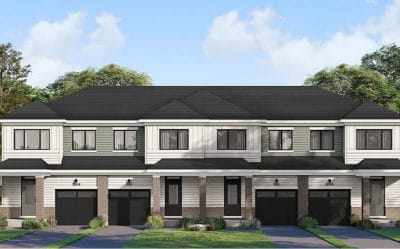
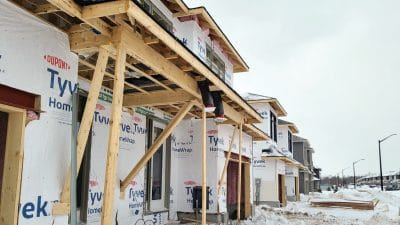
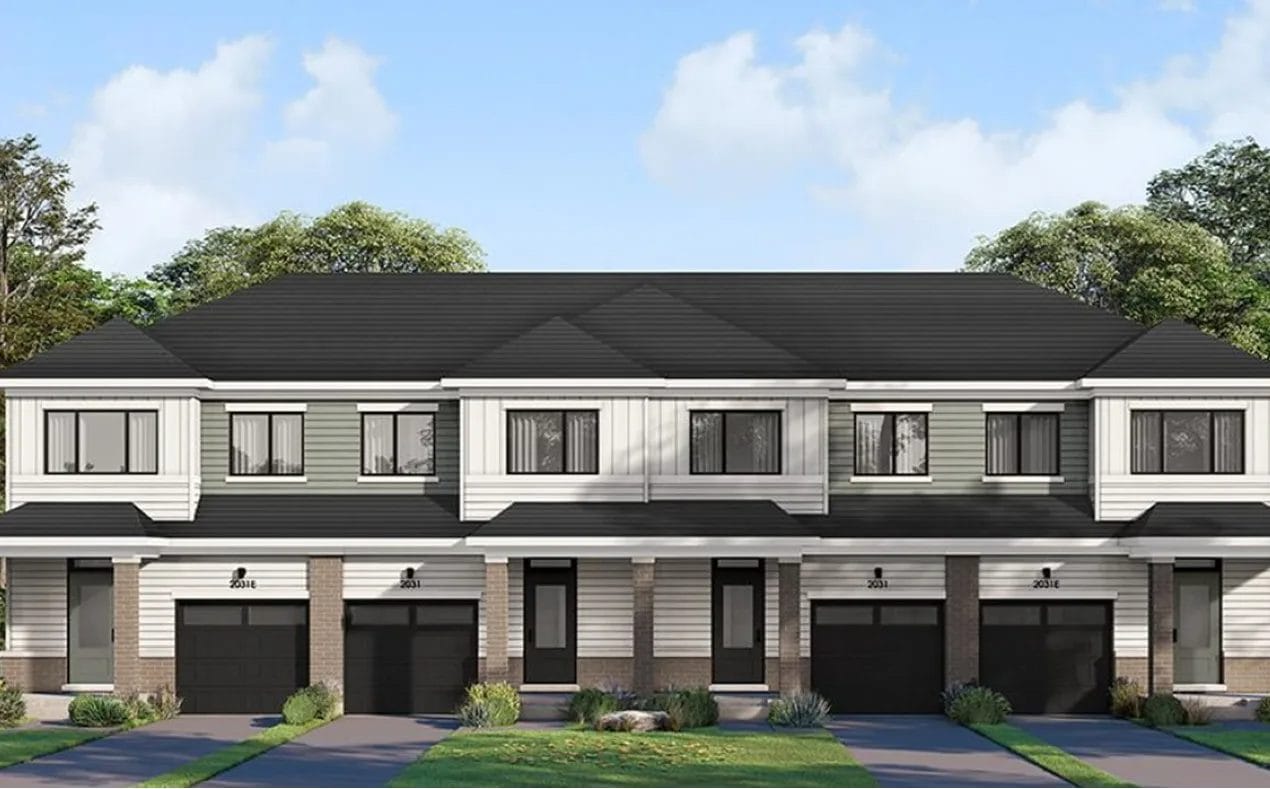
Due to break ground this year with occupancy in 2027, Beechcliffe Homes is a joint effort between Habitat and private homebuilder Caivan with funding from the City of Ottawa and the provincial government. It will comprise 33 townhomes, the largest affordable housing project ever undertaken by Habitat Greater Ottawa.
It follows Habitat’s model of providing homes for families who may be living in undesirable conditions and whose finances would otherwise make homeownership an impossibility. A Habitat family pays fair market value for the home but buys it with no downpayment and other arrangements that make ownership feasible.
The City of Ottawa is providing the land for free as well as $6 million, half of which comes from Ontario’s Building Faster Fund. The Province of Ontario is contributing an additional $3.4 million.
“It’s vital that affordable homeownership remains a central part of the city’s 10-year housing and homelessness plan,” says Cooper.
Partnerships between nonprofit housing providers, different levels of government and private builders are so fruitful because they allow each sector to bring its unique strengths to the table, she adds.
“It’s not just about building more homes but building stronger, more resilient communities and providing the safety and stability that allows people to build a better future on their own terms.”
Note to readers: This a corrected article. An earlier version misstated the number of applications.