A newly built, four-bedroom, single-family home with a walk-out basement on a generous lot within driving distance of downtown Ottawa for just over $400,000?
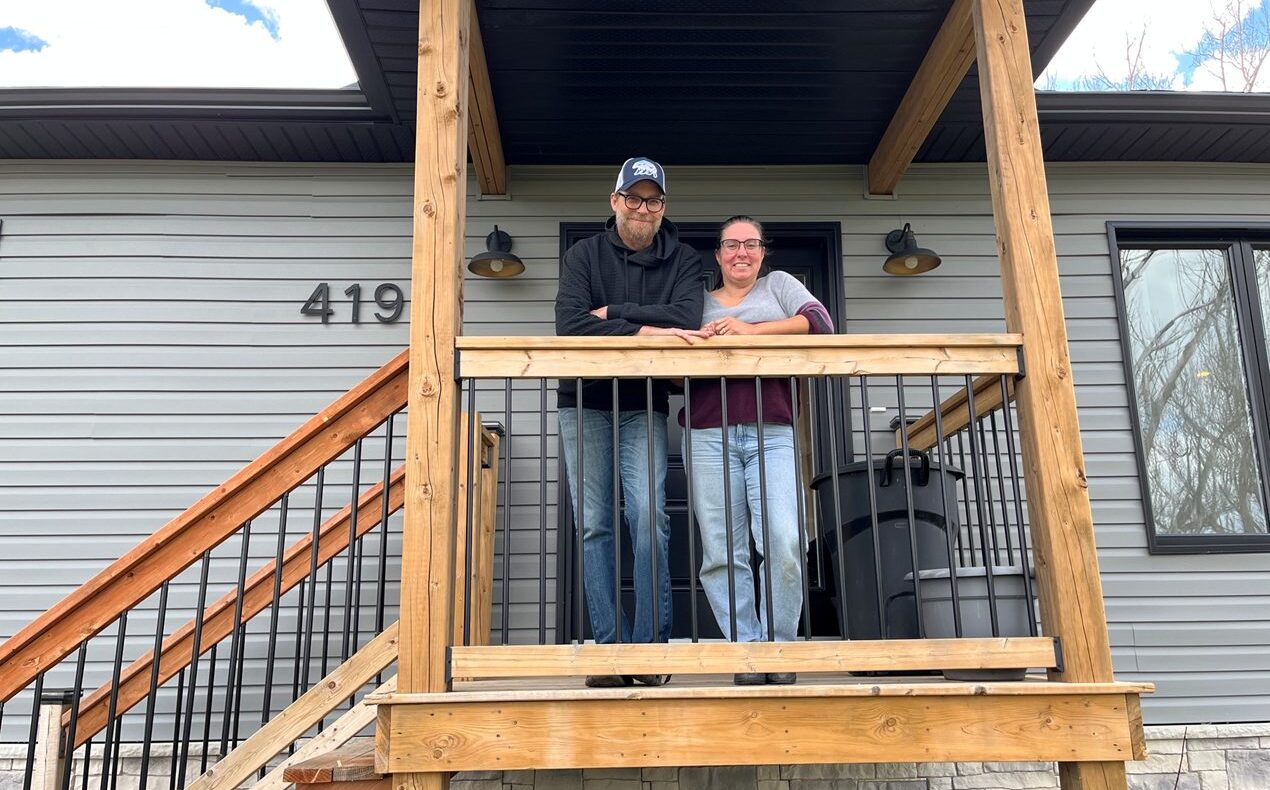
Sounds impossible, but that’s where Carole Gingras and Brent Taylor live thanks to some DIY work, a family connection in the building trades and, crucially, students in the construction and building techniques program at Collège la Cité.
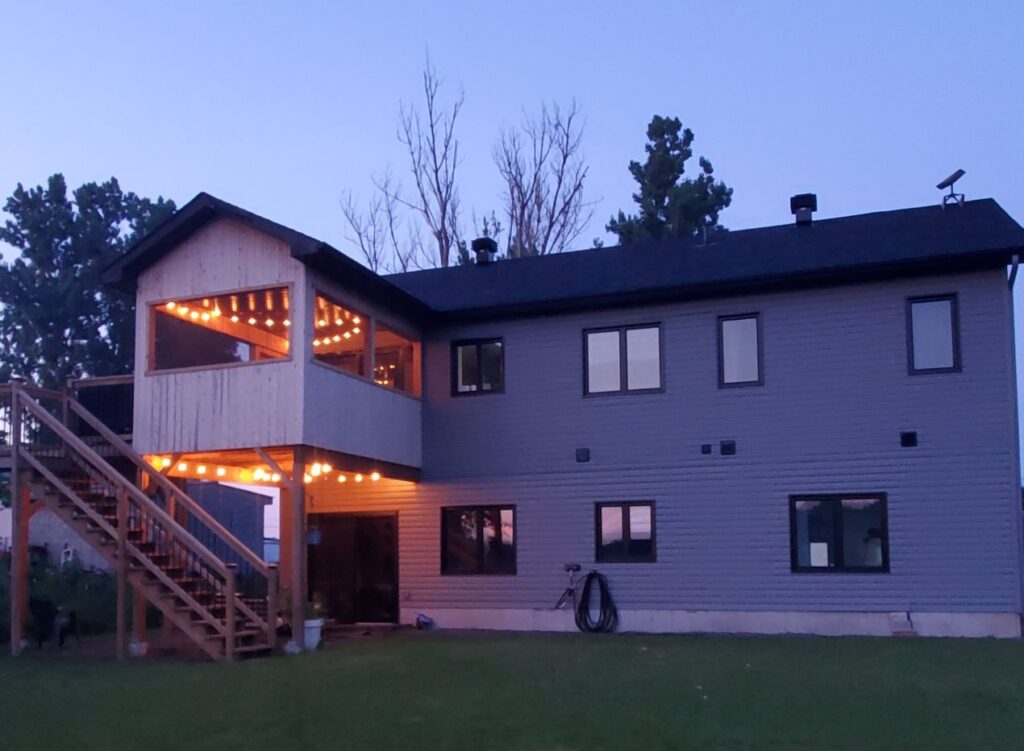
The home, which they share with their three children and a friendly cat named Gus, is a comfy 1,900-square-foot bungalow in east-end Cheney, about 45 kilometres southeast of downtown Ottawa.
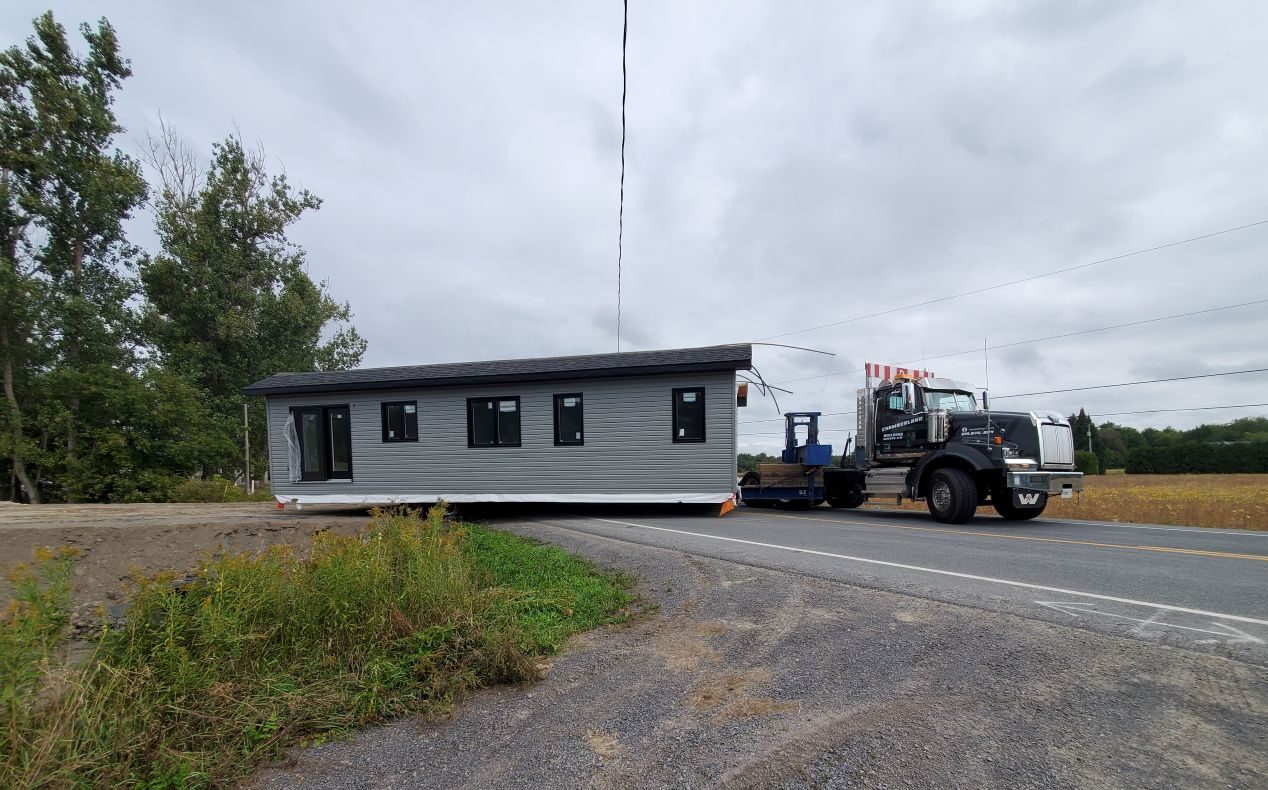
The family moved into their home in 2023 after living in a three-bedroom apartment. The house was built by the students at the Minto Trades Centre on the college’s Orléans campus and then trucked to the couple’s building site, where it was craned onto an awaiting foundation.
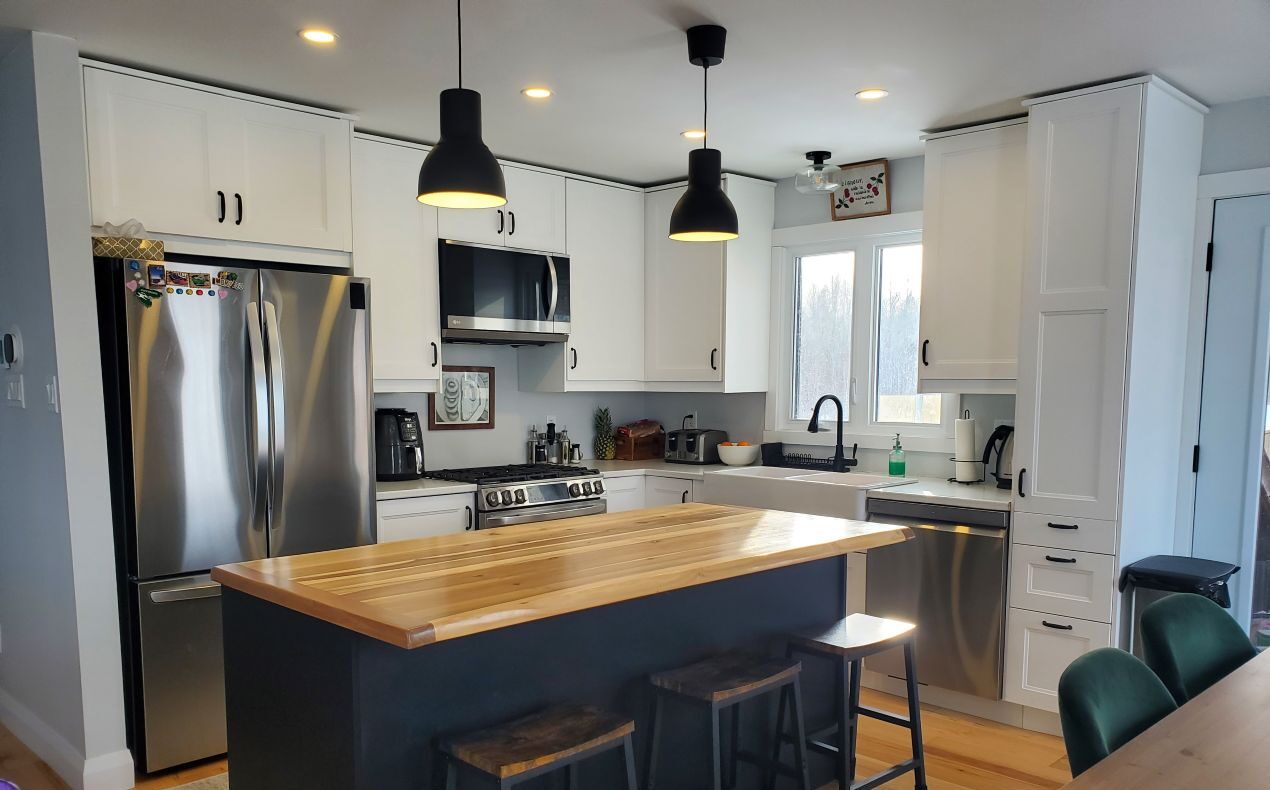
While the home arrived with everything from doors and windows to wiring, drywall and other essential components in place, Gingras, Taylor and a family member who is a contractor finished the work, including installing cabinetry and engineered wood flooring, basement stairs, taping and painting the drywall, and adding other finishing touches.
The couple paid about $88,000 for the home with the balance of the cost going for the lot and foundation, moving the house to the building site, the HVAC system, pot lights and the like.
Along with saving money by going with a home from Collège la Cité, “we wanted to encourage the students and the skilled trades. I’m a blue-collar worker myself,” says Taylor, a truck driver and equipment operator.
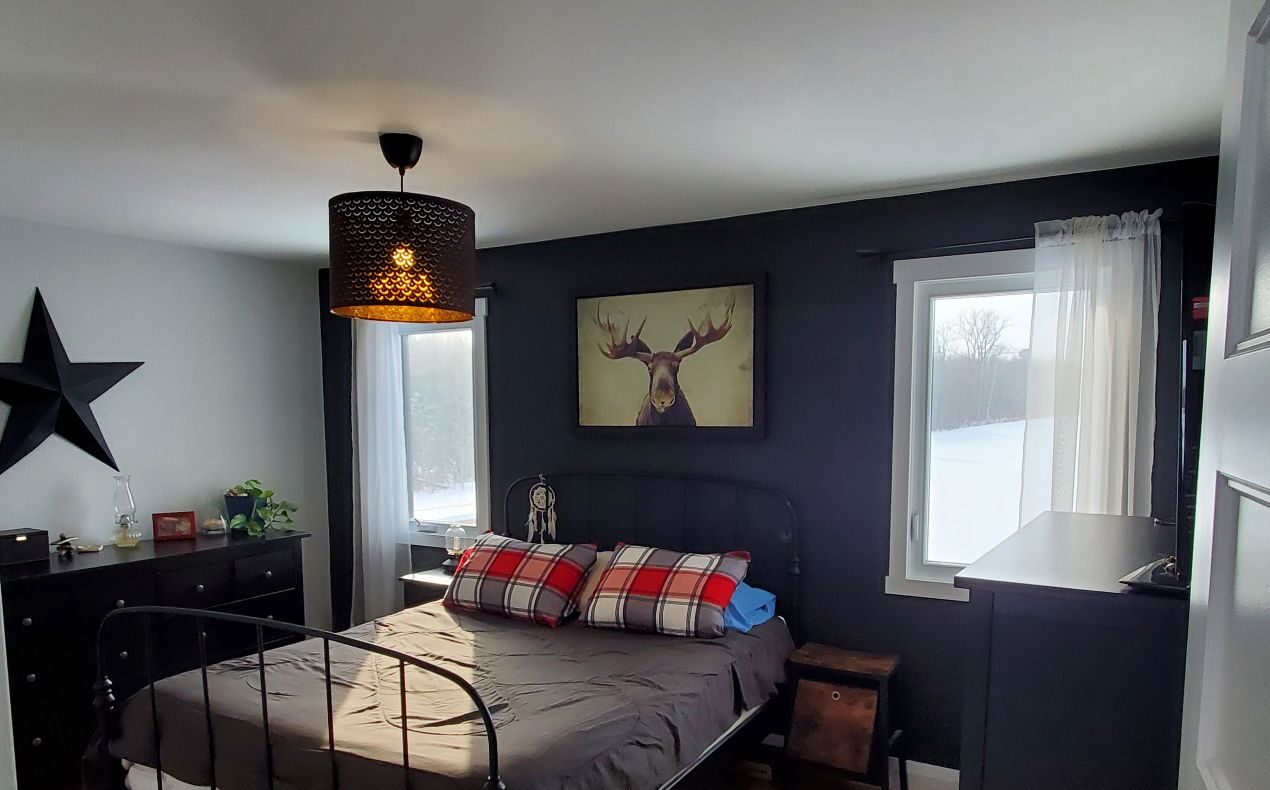
With a view of a tranquil farm field from its rear, a three-season porch and a cosy interior with two bedrooms upstairs and two down, where there’s also a bathroom, sitting area and laundry room, the home is energy efficient: the heating bill for a brutal month-long cold snap last winter was about $200 thanks to the air-source heat pump — a modest bill for a semi-rural home exposed to the elements.
The home is clearly well-loved and has met the couple’s expectations.
“There’s always hiccoughs here and there,” says Gingras, an elementary school teacher, but says her home has performed well during the past three years.
“The equivalent of a professional builder, I’d say. Nothing different,” adds Taylor.
That it’s well built shouldn’t be surprising.
Construction takes place indoors, where materials and crews are protected from the weather, under the watchful eyes of project managers and site supervisors.
The program was originally two years, but with an eye to providing more hands-on experience, in 2018 the college condensed it into three consecutive trimesters, with students swinging hammers and running power tools almost from day one along with classroom learning.
This past year, there were three teams of 15 students, with each team building a bungalow during the fall and winter term and then a tiny home, shed or other smaller structure during the summer. Students from the college’s architectural, electrician, plumber and other programs are also involved.
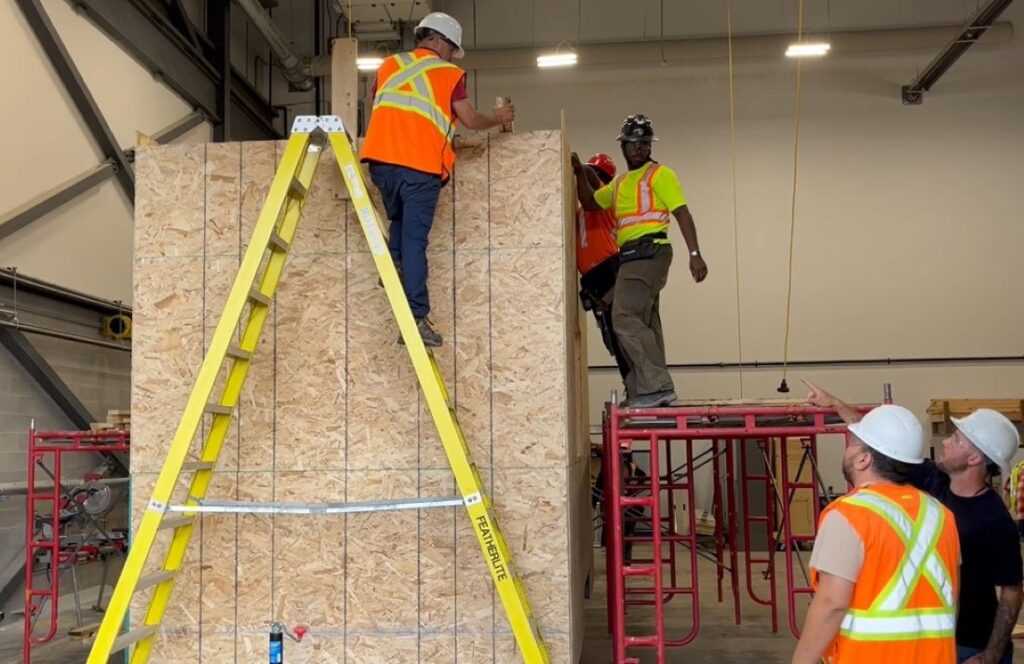
Students work on a tiny home under the direction of supervisors. Photo: All Things Home
The practical expertise acquired by students should make for a rapid entrée into the workforce, where skilled trades are currently at a premium.
“Our graduates learn how to work as a team, learn how to troubleshoot, learn to communicate, learn to understand the social dynamics within a group, learn to work under stress,” says Patrick Mainville, the college’s enthusiastic associate vice-president of business development.
Just as importantly, the students and homebuyers are in touch during the construction process, says Mainville.
“Our students, when they become workers, will have to interact with customers, will have to interact with other tradespeople, will interact with site supers and suppliers. So, we’re actually creating these real-life learning experiences for our students to prepare them for the work. It’s developing all the soft skills at the same time that they’re learning how to properly build these structures… By the time they graduate, they’re job ready. And they’ve built real things that serve a real purpose in life that people are going to use.”
John Deshommes, one of the students in the 2025-26 program, enrolled in the program because he’s always considered himself a “hands-on” person.
“I know there’s people that are good with computers, people that are good at sports, but I’m really a person who feels proud of my own work with my hands,” says the 22-year-old. “In the future, I want to be able to build myself a mobile house so I can move places, go here, go there with my mom. Also, construction is always something that’s going to be needed. You’re not going to see a beautiful building without it being built by people.”
Classmate Joseph Fotsing Soh is a native of Cameroon, where he worked in marketing and construction management. When he arrived in Canada in 2024, he was advised to apply to the program at Collège la Cité to acquire knowledge of Canadian materials, construction methods and building codes so he could then pursue his dream: managing construction projects here.
Along with the hands-on skills he’s developed, the 25-year-old says he’s learned “to accept the opinions of others and knowing how to put myself forward and impose my opinion so that people listen to me and so on. It’s really something that I thought I knew, working in a team, but I had to learn more to improve.”
Adds Deshommes, “Maybe in 50 years this house is still going to (here) and you are going to remember, ‘I built that house.’ So, it’s something to think about.”