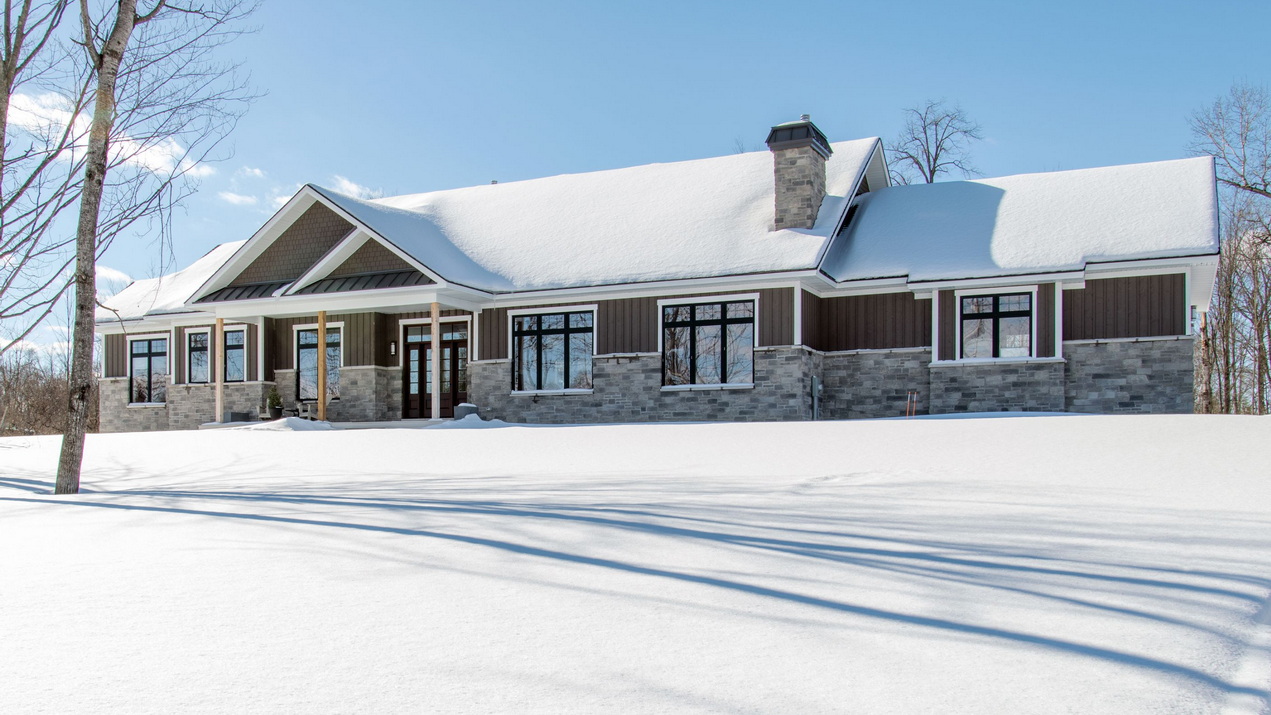
When the temperature drops and sidewalks turn slick, most of us spend more time at home. And while colder, wet days can pose extra challenges for older adults or those with mobility concerns, the reality is that anyone can experience a serious fall. Everyday tasks — climbing the stairs, grabbing the mail or stepping onto the driveway — become riskier in winter weather, and a single misstep can lead to injuries.
To put that into perspective, here are a few key numbers from the Canadian Home Builders’ Association (CHBA) Adaptiv Home Renovation Guide:
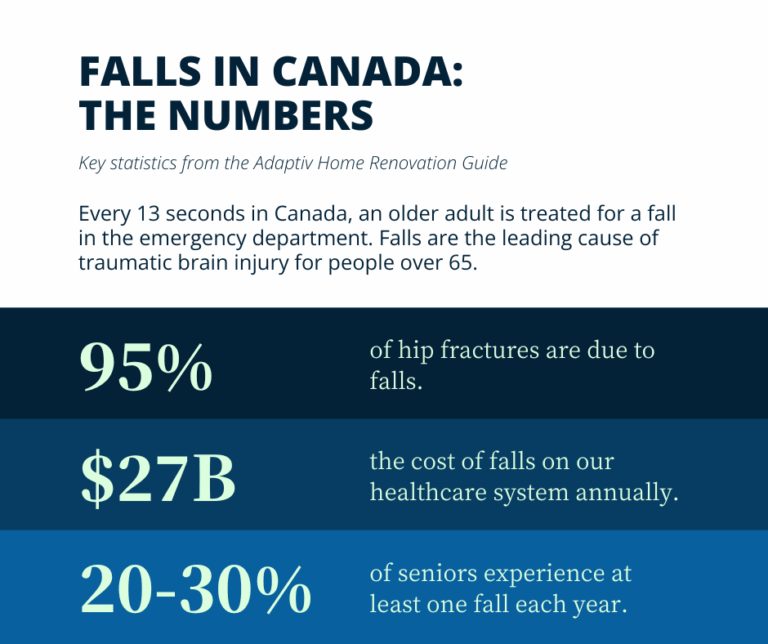
Behind every one of those statistics is a person, a family and a home.
That’s where adaptive renovations come in. Rather than treating accessibility as an afterthought, these upgrades are designed to help people live safely and comfortably in the homes they love, for as long as possible — regardless of age or ability.
The colder months are an ideal time to look at your space through that lens and, with that in mind, this column explores:
- How adaptive renovations support safe, independent living
- Key cold-weather risk areas
- Simple indoor and outdoor changes that reduce slips, trips and strain
- When to bring in a trained specialist
What is the Adaptiv Home program?
The CHBA created the Adaptiv Home renovation program to help Canadians stay in their homes as their mobility, health or daily needs change over time.
In short: the Adaptiv program is about renovating for safety, dignity and independence — and that includes being ready for snow, ice and darker days. Adaptive renovations are rooted in those same principles and tailored to the specific home and homeowner.
Start with a cold-weather safety walkthrough
Before thinking about major changes, start with a simple question: “If the walkway is slippery, the lights are dim, and I’m tired or carrying a bag — where could things go wrong?”
Walk your home (inside and out) with that scenario in mind:
- Are there dark corners or shadowy stairs?
- Are there spots where water, snow or slush tend to collect?
- Are there tight turns, narrow hallways or cluttered paths?
An accessibility-focused renovation specialist can complete a more formal assessment, identifying hazards and recommending practical upgrades. But you can get a head start with the areas below.
Exterior safety: Entryways, walkways & around the home
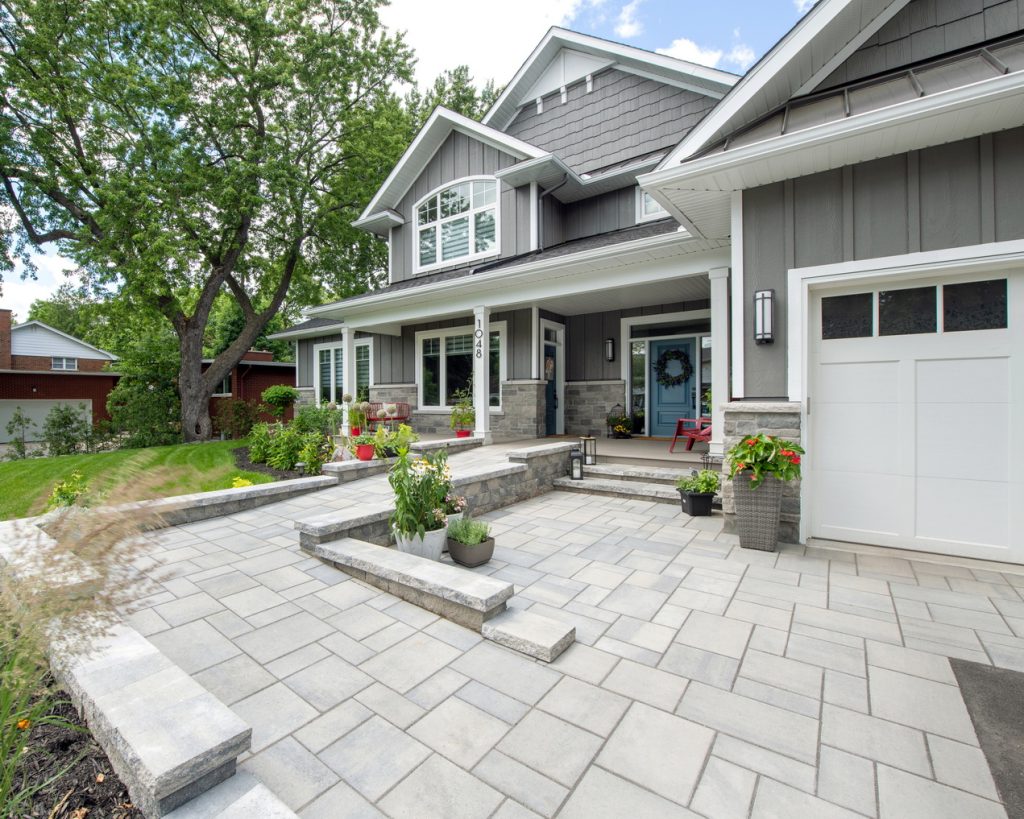
The front step, porch or garage entrance is often where the risks of the cold season are highest. Snow, ice and freeze-thaw cycles can turn a quick trip outside into an ambulance call.
Key adaptations outside the home:
- No-step entry or ramp: Where possible, create at least one entrance without a step, either via a graded walkway or a properly designed ramp. This helps people using mobility aids and reduces trip hazards for everyone.
- Non-slip exterior surfaces: Swapping in textured finishes, non-slip coatings or outdoor-rated mats on high-traffic stair landings, steps and porches creates safer, more confident steps in and out of your home.
- Covered entry & drainage: A small roof or awning over the main entry can help keep snow and freezing rain off the steps and landing. And good drainage reduces ice buildup.
- Motion-sensor lighting outside: Lights that come on automatically when someone approaches make a big difference on dark afternoons and evenings.
Once you’re off the front step, the rest of the route needs to be cold-weather-ready, too.
Consider:
- Wide, straight and level walkways: Gentle curves and wider paths make it easier to navigate with mobility aids, strollers or grocery bags, and reduce the chance of missteps on uneven ground.
- Non-slip surfaces and clear transitions: Minimize changes in level and make transitions (for example, from a walkway to a ramp) easy to spot with contrasting colours or textures.
- Regular ice management: Keep a small bucket of sand, gravel or pet-safe ice melt by the door and make it part of your winter routine to sprinkle it on “trouble spots” like the end of the driveway, shady paths and sloped walkways before anyone heads out.
- Sturdy handrails along long paths or slopes: If a walkway slopes or curves, continuous handrails can provide extra confidence and support.
Interior safety: Stairs, hallways & layout
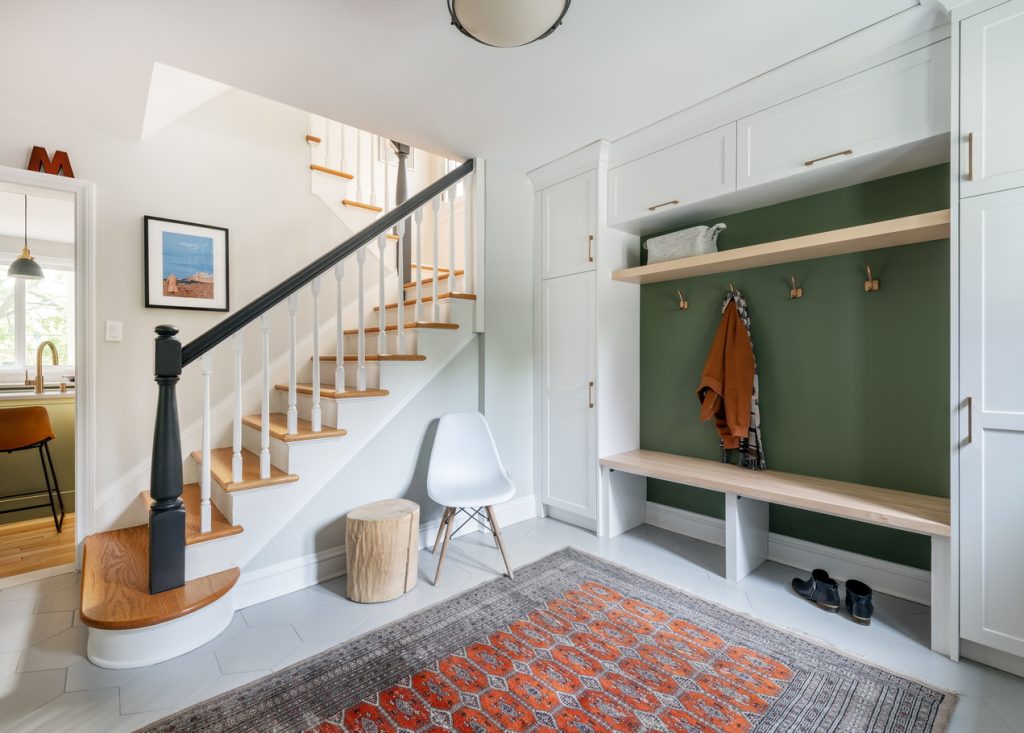
Cold, wet weather doesn’t just cause hazards outside. Snow and slush get tracked in on boots, mobility aids and other snow gear, making floors slippery, especially near entryways. Stairs and narrow corridors are some of the most common places for falls — especially when boots are wet or bulky.
Adaptation ideas to consider inside the home:
- Handrails on both sides of the stairs: Two sturdy, easy-to-grip handrails provide far better support than one, especially for anyone with balance or strength issues.
- Non-slip treads or carpeting: Add non-slip strips, rubber treads or low-pile carpet on stair surfaces to improve traction and reduce the risk of slipping. Consider slip-resistant flooring materials and avoid highly polished surfaces in high-traffic areas.
- Good, glare-free lighting: Bright, even lighting helps people clearly see each step. Motion-activated lights at the top and bottom of stairs are beneficial at night.
- Clear, clutter-free pathways: Keep hallways free of shoes, baskets and cords. Even a small object can become a hazard if someone is moving quickly or carrying outerwear. Consider adding cabinets and storage solutions for better functionality and safety.
And focus on:
- Flooring with a good grip: Consider slip-resistant flooring materials and avoid highly polished surfaces in high-traffic areas.
- Secure rugs and mats: Use rubber-backed mats at entries and remove small, loose rugs that curl or move underfoot.
- Lower thresholds and wider doorways: Reducing step-overs and widening doorways makes spaces easier to navigate with walkers, canes and wheelchairs, and helps prevent trips and stumbles where one area meets another.
After you’ve looked at stairs, entries, walkways and the inside of your home, you’ll likely have a sense of which areas feel most urgent. Some updates are easy DIY fixes, but larger changes, such as installing ramps, grab bars, stair lifts or reworking entries and bathrooms, are best left in the hands of an experienced, accessibility-minded team.
Choosing a trusted adaptive renovation team
When you’re updating a home for safety and accessibility, who you work with matters just as much as the products you choose.
Start by leaning on trusted sources; ask friends, family and neighbours who they’ve used and what their experience was like. Look for clear, honest testimonials — not just star ratings. Choosing a RenoMark renovator can give you extra peace of mind. If you’d like someone with specific accessibility training, the CHBA Adaptiv Home website is a great place to look.
And remember, you’re not the only one being “interviewed.” Being open about your needs and budget helps both sides decide if it’s the right match — which is what you want for a home that really works for you.
Ready to make your home safer this winter?
Falls are common, costly and often life-changing — but many of them are preventable with thoughtful planning and the right updates.
