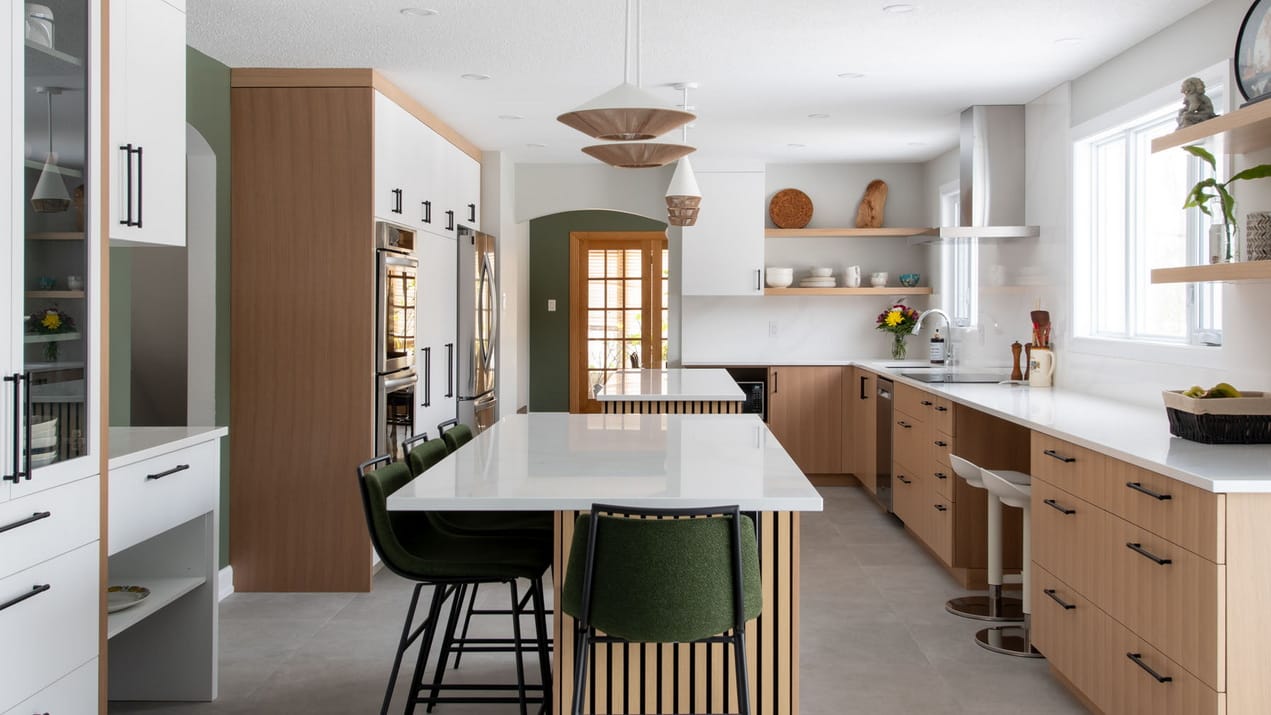
A home that truly fits your life doesn’t happen by accident. It happens when the right questions get asked before any decisions are made.
Many people will start with an outcome: a kitchen they saved on Pinterest; a bathroom they saw in a magazine. Those are useful references, but they’re not a starting point. The starting point is how you actually live.
We call it the lifestyle lens. It’s the approach behind every renovation and custom home we design, and it’s what separates a home that looks good from one that feels right.
What is the lifestyle lens?
The lifestyle lens is a holistic approach to home renovation that starts with how you live, not what you want to build. Instead of beginning with rooms or finishes, it begins with questions: What causes daily friction in your home? What do you wish your space gave back to you?
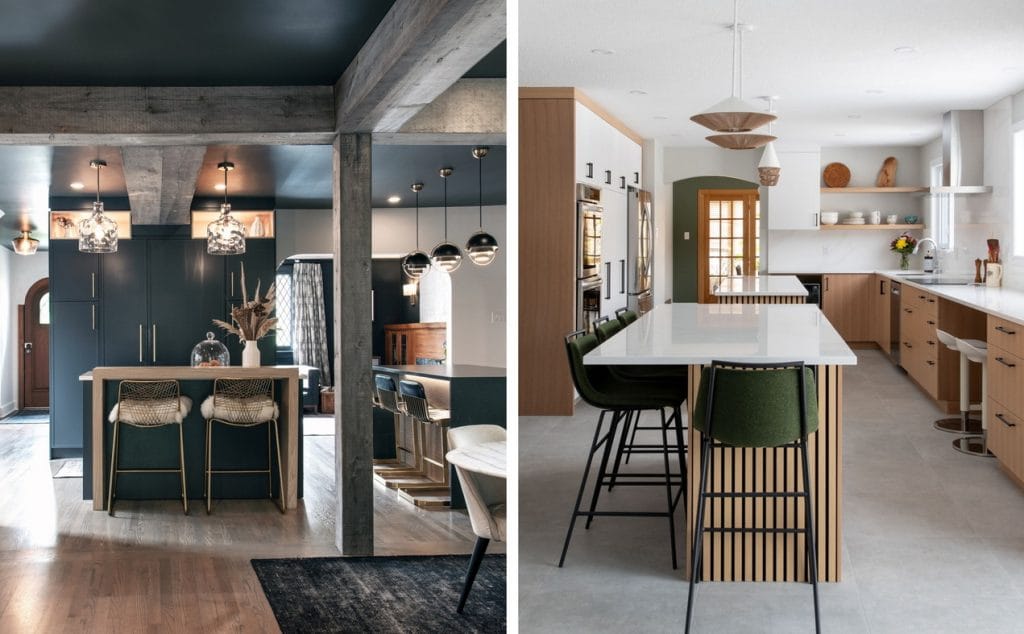
Two kitchens with the same square footage and the same budget can look and feel completely different because the families living in them are different. In the examples above, one client wanted a moody, intimate kitchen where bold finishes do the talking. Another needed an open prep space for a household that always cooks together, with neutral finishes so their keepsakes could take centre stage. Both were right. Both would have been wrong in each other’s homes.
Intentional home design can never be one-size-fits-all. The lifestyle lens is built around three pillars:
- Daily living
- Well-being
- Long-term value
Daily living: Design that works around your day
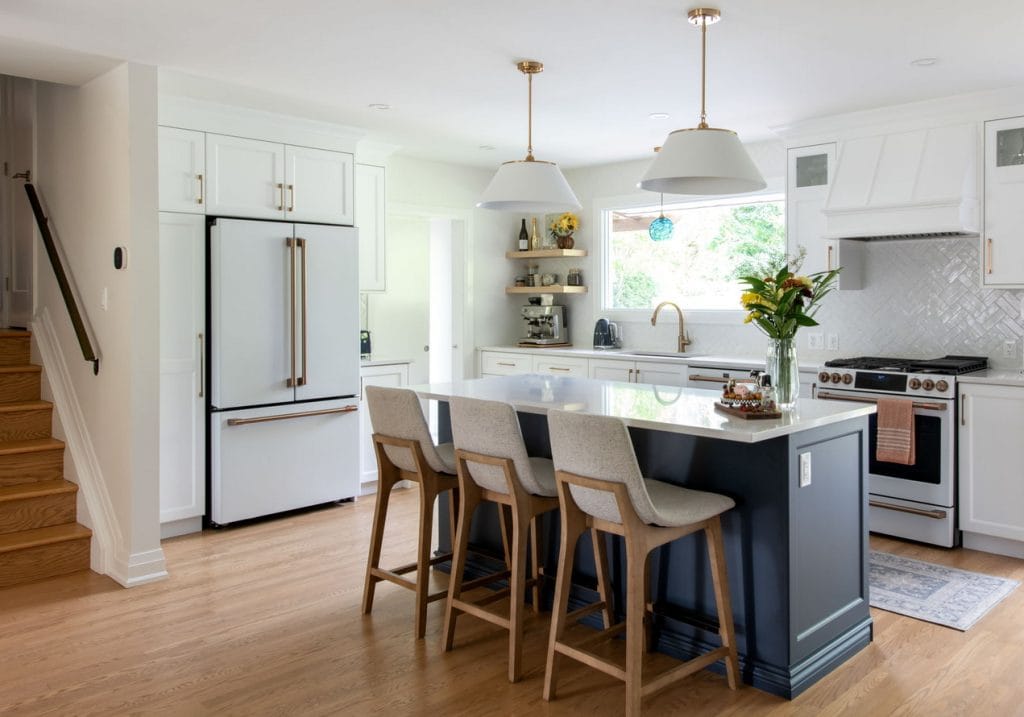
Start here: What causes friction in your home right now?
When you design around daily life rather than a room checklist, every decision sharpens. The areas that shape everyday life most are:
- Morning routines:
- His and hers sinks
- A dedicated coffee bar
- A mudroom that handles the chaos of getting everyone out the door.
They are small decisions that give you minutes back every day.
- Entertainment and connection:
- Do you host often?
- Do you prefer quiet evenings at home?
Those answers shape your layout, your flow from inside to out, and where it makes sense to invest.
- Work and downtime:
- A dedicated home office
- A library
- A gym carved from the basement
How you decompress matters as much as how you perform.
- Flow and storage:
- Walk-in pantries
- Mudroom storage
- Dedicated laundry rooms
These are the details that make a home feel effortless or exhausting to live in.
Well-being: How your home affects the way you feel
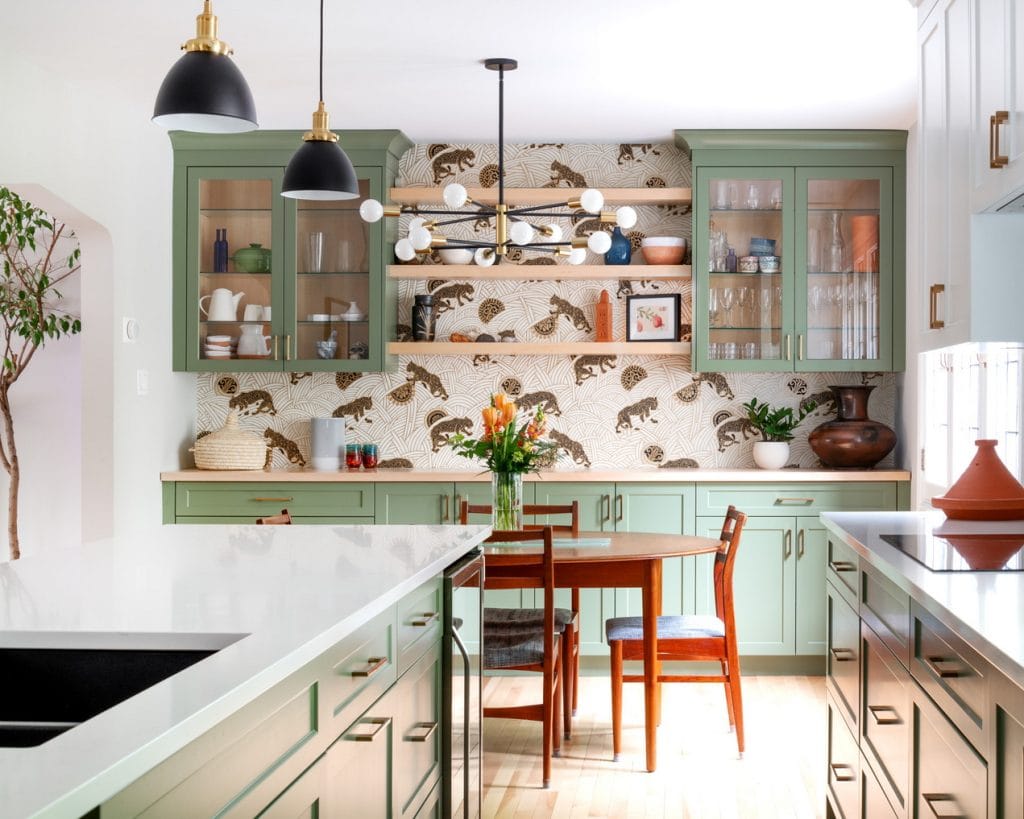
This is where design moves from practical to personal.
- Natural light and sightlines:
Where light enters, what you see when you walk through the front door and how the indoors connects to the outdoors: These decisions shape how a space feels before you’ve consciously registered them.
- Look and feel:
Earthy and organic or polished and crisp? Our selections team works with clients to find the palette and materials that feel right for how they want to live, not just how they want things to look in photos.
- Scale and proportion:
A room that feels considered versus one that feels like an afterthought: Getting this right is what separates spaces that photograph well from ones that feel good to be in every day.
- Visual calm:
How much do you want on display? Giving everything its place, through integrated storage or thoughtful shelving, affects how settled a space feels to live in.
Long-term value: Building for the life ahead
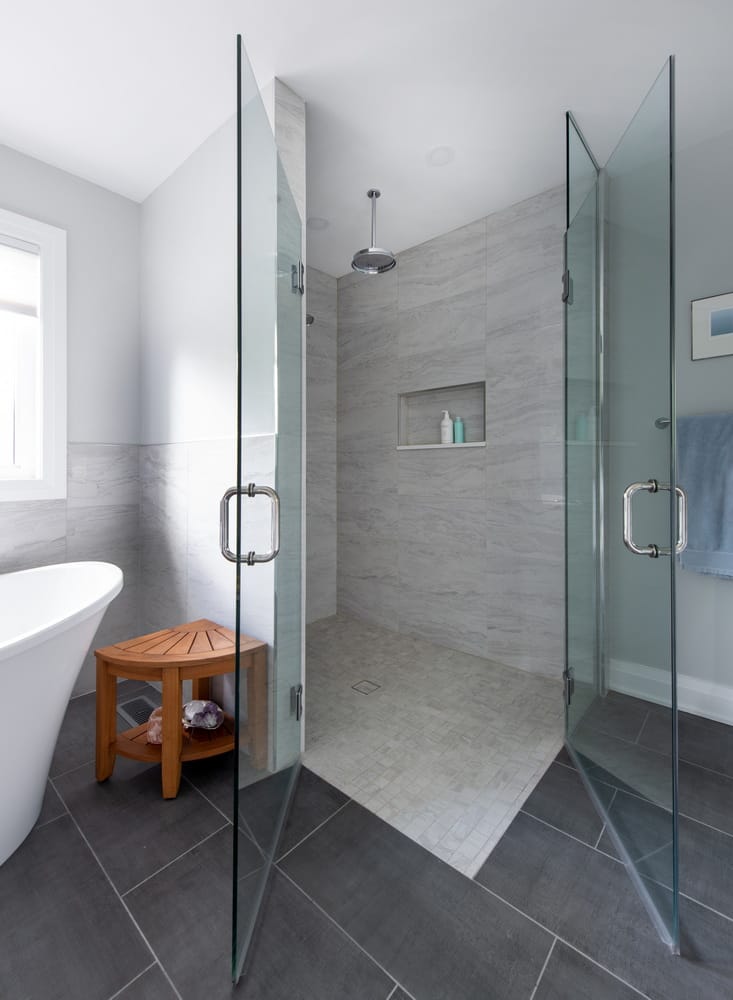
The best renovations aren’t redone in five years.
A well-designed home should feel right today and still make sense years from now. That means thinking ahead:
- Family planning: Will your needs shift as your family grows or changes?
- Multi-generational living: Are you caring for a parent or anticipating that in the future?
- Aging in place: What design decisions make your home safer and more comfortable long-term?
- Income potential: Could a secondary suite make sense for your property?
The real return on a renovation isn’t only what your home might sell for someday, it’s how well the space supports your life, every day, for years to come.
