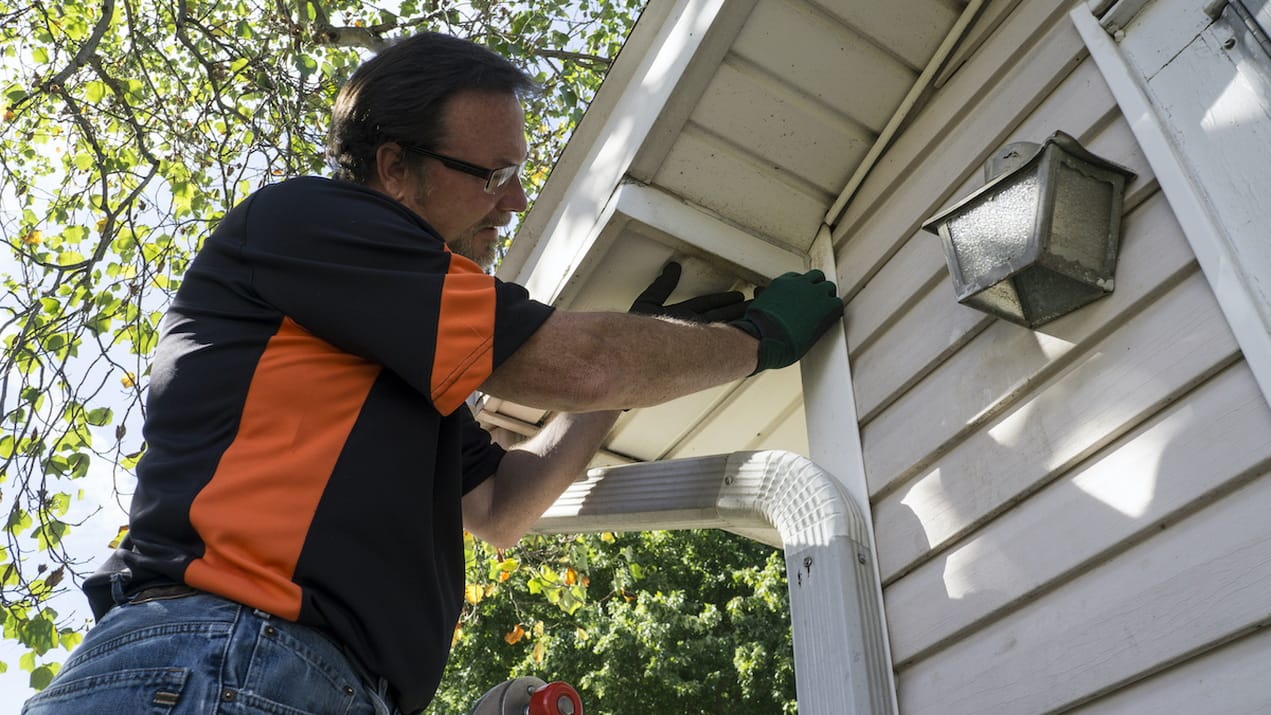
Sometimes the most sustainable choice isn’t adding something new, it’s taking care of what you already have, and this applies in a big way to how you manage your home.
Most people are surprised (and perhaps embarrassed) to learn that each Canadian today exerts twice the environmental impact we did in 1970, based on the Ecological Footprint Index rating. Many years of wall-to-wall environmental messaging has not been nearly enough to counteract the increasing affluence that has allowed average house sizes to double, wintertime overseas vacations to become commonplace, and the average motorized travel per person to increase by almost 70 per cent, with air travel increasing by more than 300 per cent.
One reason behind this is the way “going green” is pitched around new technologies, especially for the home. These can be worthwhile, but like most things in life, it’s the boring things that make the most difference. I’m thinking now of home maintenance.
Homely hero
Quiet, boring and rarely celebrated, home maintenance is one of the most environmentally responsible things a person can do. Taken seriously, maintenance often does more for the planet than the latest purchased “green” upgrade. That’s because the greenest material is the one you’re not replacing.
Every product you buy has an environmental cost before it ever reaches your house. Raw materials must be extracted, transported, manufactured, then finished products distributed. When that product fails from lack of maintenance, the environmental bill is paid twice — once for the original item, and again for its replacement. Add disposal to the mix and the cost grows even higher.
Maintenance interrupts the cycle
A roof that lasts 40 years instead of 20 because of good management saves resources required to manufacture and transport an entire second roof, not to mention halving the cost of stripping the roof and disposing of old shingles. A deck that’s cleaned, sealed and repaired rather than replaced avoids consuming tons of new lumber, fasteners and chemical treatments. Windows that are protected from moisture and ultraviolet damage may last decades longer than those neglected and prematurely discarded.
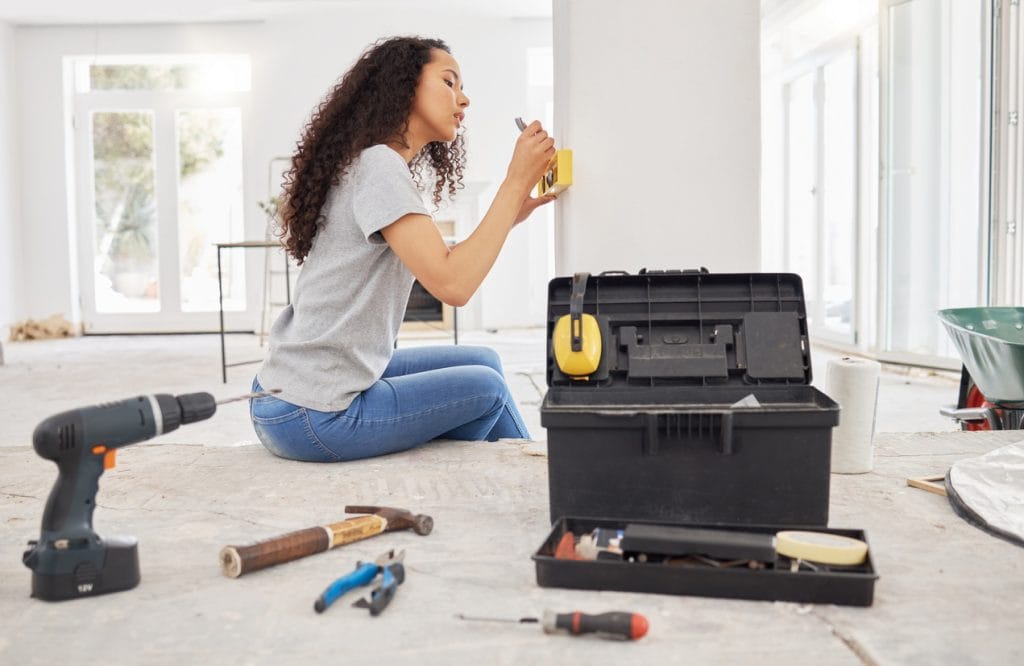
Most building components don’t fail because they’re poorly designed; they fail because small, correctable problems were ignored. Water intrusion that starts as loose flashing becomes structural rot. Paint failure that begins as inadequate preparation turns into siding replacement. A clogged gutter quietly causes foundation damage. These failures aren’t inevitable; they’re the result of neglected maintenance.
From an environmental standpoint, maintenance is the art of preventing waste before it exists.
Stewardship mindset
A homeowner who maintains what they have begins to see their house not as a collection of disposable parts, but as a long-term, ongoing object of attention. Instead of asking, “What can I replace next?” the question becomes, “What can I preserve now?” That shift matters because it slows the pace of consumption and encourages thoughtful, intentional decisions rather than reactionary ones.
Ironically, many “green” renovations fail precisely because ongoing maintenance didn’t happen. Adding insulation to a wall with hidden moisture vulnerability can trap water and promote decay. Installing a high-efficiency furnace in a leaky house wastes potential. Maintenance is the foundation upon which real efficiency is built.
All this is deeply local, too. Maintenance doesn’t rely on global supply chains or distant factories. It relies on observation, care and modest action: clearing debris, fixing small leaks, touching up finishes, replacing a damaged board instead of an entire assembly. These acts don’t make headlines, but multiplied across a country, they have enormous impact.
A house that’s been cared for can serve multiple lifetimes. One that’s been neglected becomes landfill long before it should.
In a culture obsessed with upgrades, simple maintenance feels boring, but it’s one of the clearest environmental steps forward available to us. It conserves resources, reduces waste, lowers emissions and you’ll enjoy your home more if you do it.