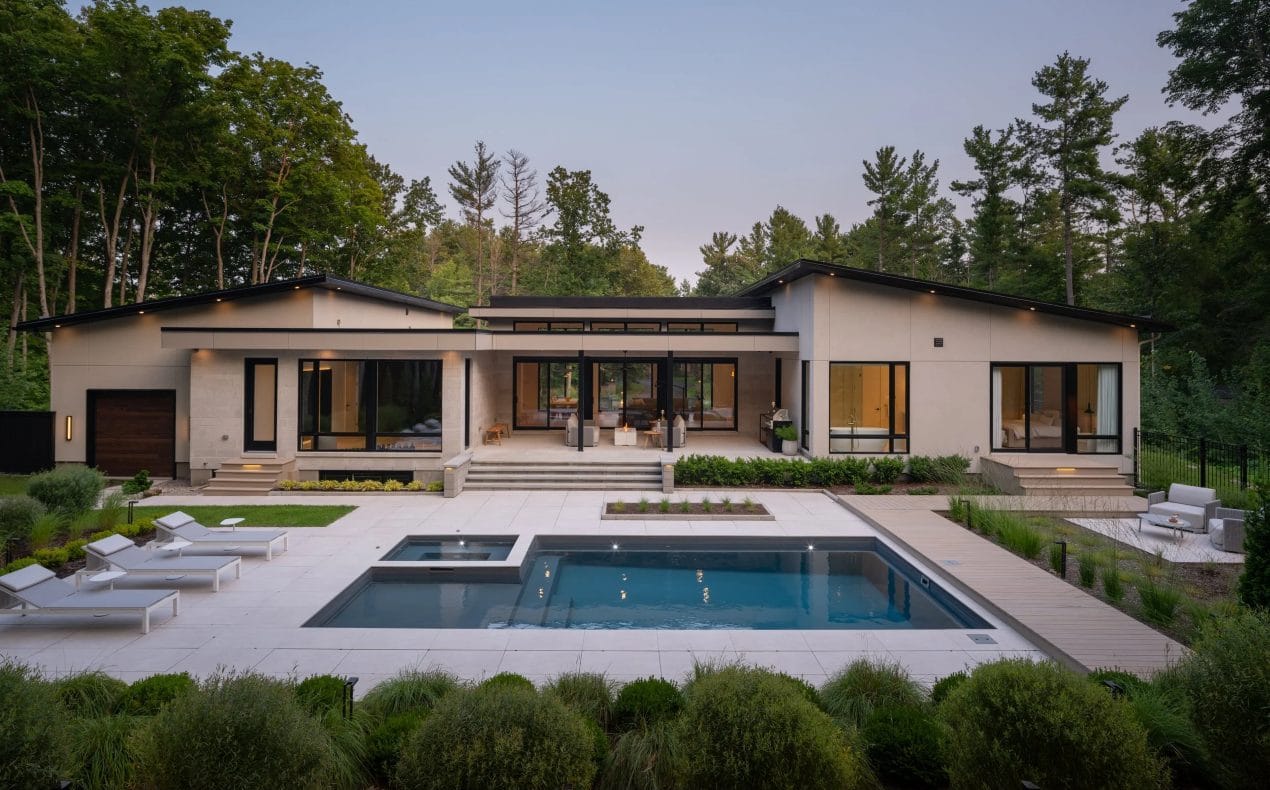
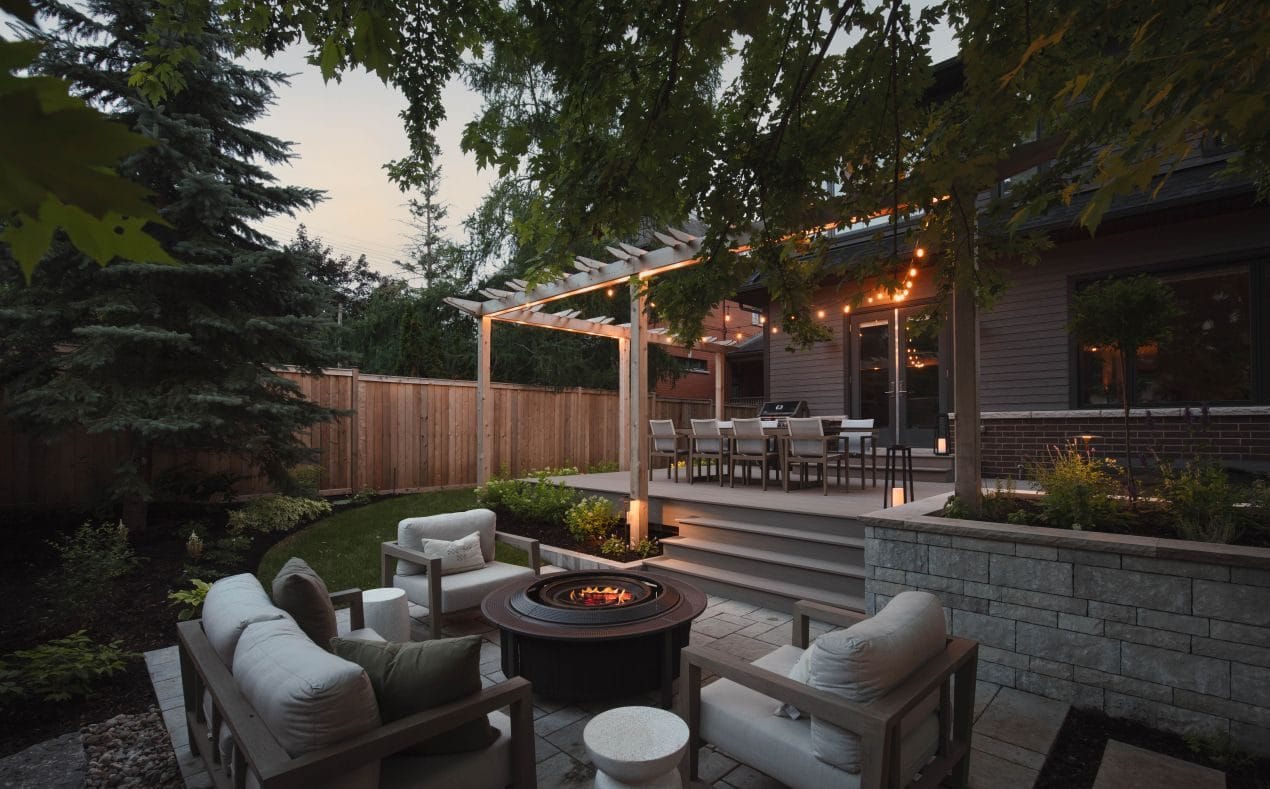
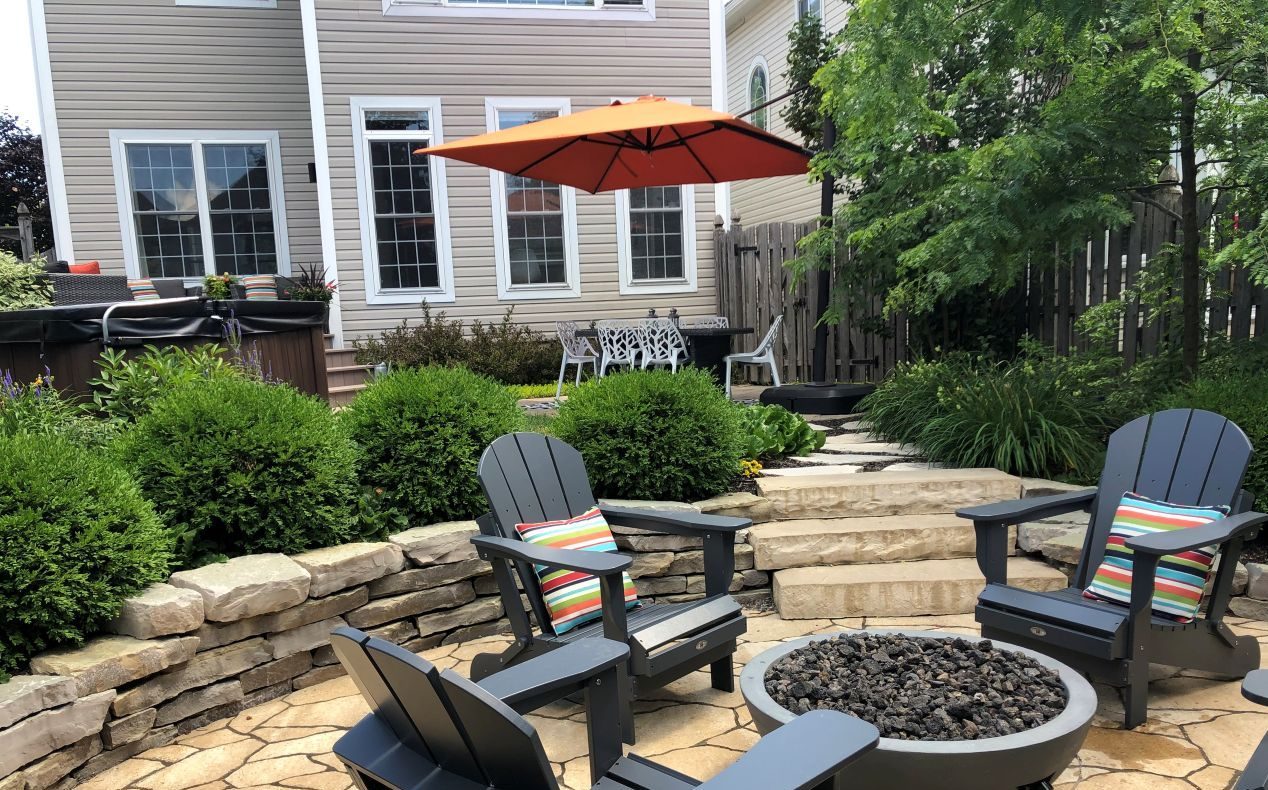
Our homes’ outdoor spaces, like our interiors, reflect who we are, how we feel and what we need. So, it’s not surprising, in an anxious, polarized time with overly busy lives, if we find a hunger to reconnect with the environment, nourish relationships and recharge our mental batteries by playing in our back and front yards.
Here’s how to satisfy some of that hunger.
Design strategies
An oasis of quiet backyard privacy is, once again this year, high on homeowners’ wish lists. “I’m seeing this 100 per cent,” says Benjamin Stapper, a landscape designer at Ottawa’s Wild Ridge Landscapes.
“I feel people are overwhelmed by how fast things are changing, how much news is available. Bring that to the backyard, and people (ask): ‘How do we reconnect with nature, reconnect with each other? How do we just relax?’”
Those oases of calm and wellness can be anything from a couple of comfortable chairs surrounded by vegetation — ornamental grasses are a simple, elegant way to demarcate the area — to a quiet spot with a rejuvenating sauna.
Because today’s larger homes often mean less backyard or visual distance from neighbours, Welwyn Wong of Welwyn Wong Landscape Design suggests layering to maximize space while achieving privacy in a natural environment.
For instance, a three-level deck with just a foot’s difference between levels gives room for a barbecue on the top level (put a planter next to it, says Wong, so you don’t see “the ugliness of the barbecue’s sides”), more planters on the second level, and an informal sitting or dining area on the bottom layer (dining al fresco means you can skip the dining table entirely). Plant a low deciduous hedge around the bottom level for a green, cosy embrace, add a bit of lawn, dig in some taller columnar trees along the fence and, presto! — you’ve got both privacy and connection with nature.
“The beauty of it is your eye takes up the distance between all those elements and makes it feel more extended,” says Wong. “I’ve (also) just squeezed in a whole bunch of things without making it look cluttered.”
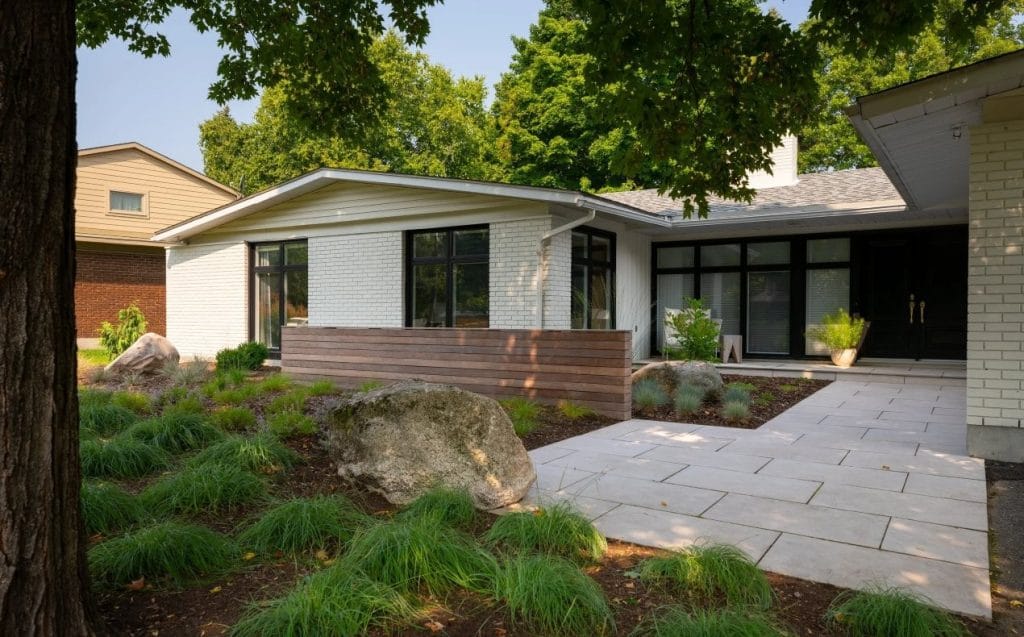
Because it helps set the year-round tone for a home, the front yard needs “good bones” and all-season planning, says Stapper. A couple of chairs or a bench can encourage relationships with neighbours while low-maintenance lawn alternatives like ground cover leave you with more time to build those relationships.
When it comes to hardscaping, be judicious with pavers and other elements, cautions Engelina Schmitz of Schmitz & Gillies Landscape Design Studio. Too much hardscaping can feel “stark, hot and disconnected from the natural environment — the opposite of what most people actually want from their outdoor space.
“We typically recommend a balanced approach: just enough hardscape to provide usable seating areas, pathways and structure, and the rest made up of layered, textured plantings… so the planting design can take the lead and bring the space to life.”
Fire pits, pergolas and more
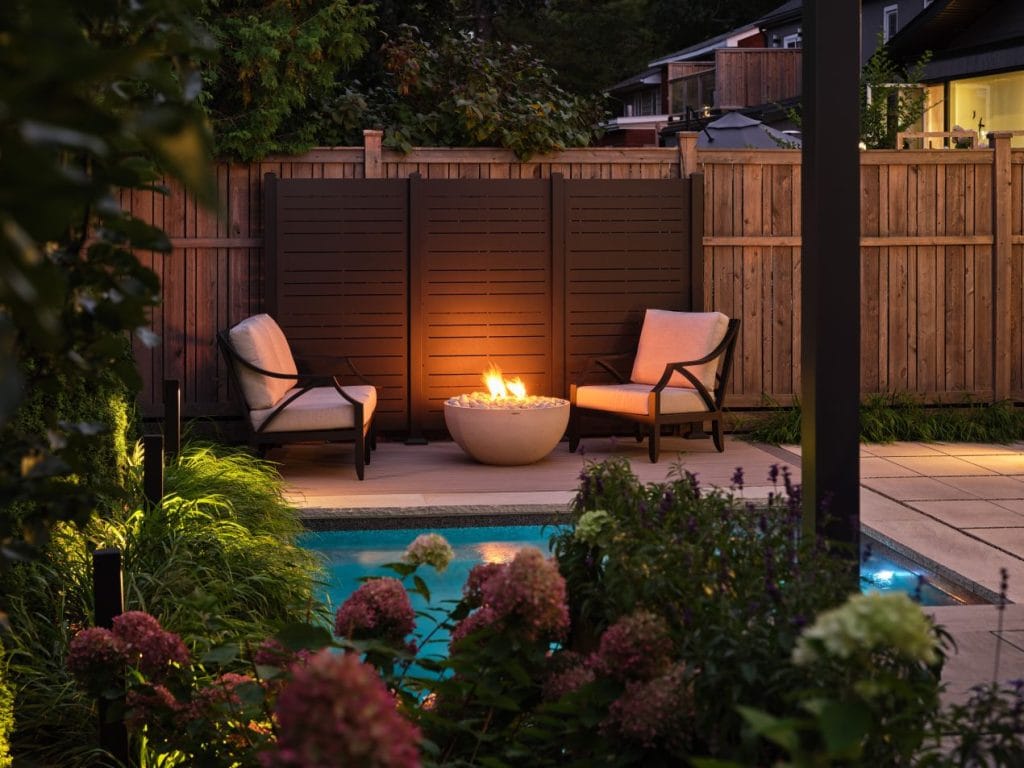
Schmitz includes fire pit bowls in almost all her landscape designs. Gathering around a fire is a tried-and-true way to bring people together, breaking down barriers and fostering laid-back conversation. “They’re such easy additional ambience and can serve as a table if you get a top for them,” she says.
Eating together also unites us, and outdoor cooking is de rigueur for a Canadian backyard because it’s covered in snow for so much of the year. A modern high-end outdoor kitchen can run to $30,000 or more before you notice, but a simple good-quality barbecue and some weather-proof cabinetry are all you really need for a convivial backyard meal.
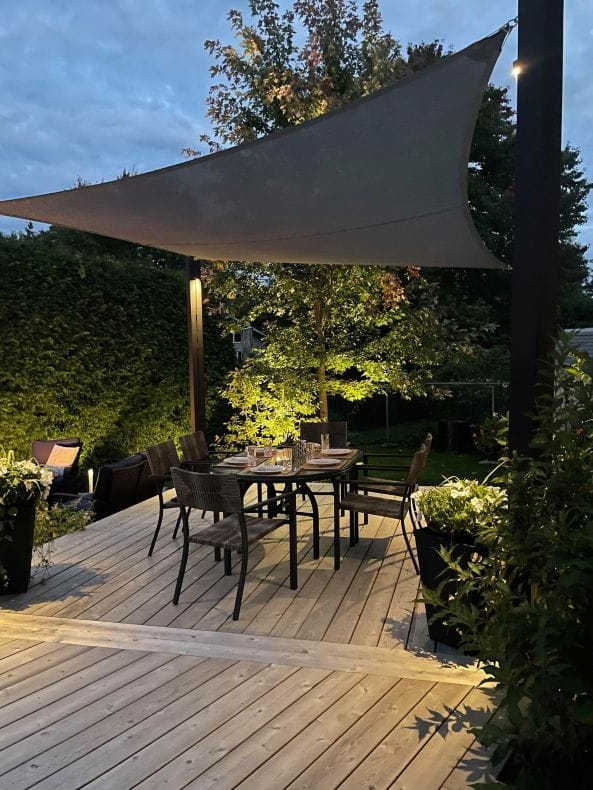
Do you remember last summer’s paralyzing sun and heat? We may be facing that again this year and certainly will in the future as climate change sinks further in, but a gazebo takes some of the sting out of summer. They were ubiquitous at this spring’s Ottawa Home & Garden Show, can be freestanding or an extension of your house, and come in a variety of sizes, materials and extras, including remote-controlled louvres.
Freestanding pergolas, another popular item, can create that oasis-like spot in a corner of the backyard that’s perfect for curling up with a book on a warm summer afternoon.
Technology has made inroads into the backyard, especially with smart lighting, which can be remote-controlled and pre-programmed for visual effects, including stunning and subtle displays, safety and security, and energy efficiency.
Planting for beauty and sustainability
If a changing climate is bringing droughts like the one we had last summer, it’s also igniting heavy downpours. That combination means planting for not just beauty but also sustainability and working with, instead of against, the challenges of nature.
Stapper recommends rain gardens to help mitigate occasional deluges. Placed at the end of a downspout, for instance, a bowl-shaped rain garden includes hardy native perennials and loose soil so the water can slowly permeate the ground rather than flooding it. Learn more at ottawa.ca/rain.
To get through extended dry spells, Stapper suggests deep-root shrubs like showy hydrangea paniculata and long-flowering nepeta (cat nip) as well as using lots of mulch.
Noting that “the shift toward simplicity and a more natural way of living is showing up across outdoor design,” Schmitz encourages clients to worry less about order and symmetry and get comfortable with “letting things grow together, letting things decompose. You don’t have to clean them up right away. It’s all part of the natural process and it’s all beautiful.”
Wong reminds us that native plants like viburnum can be important food sources for baby birds. “It will look lacey by mid- to late-summer because bugs are eating it, but birds will feed their fledglings with the bugs. So, we tuck it into a corner where you don’t see it but you’re contributing to the ecosystem.”
That approach fits well with what Wong says has always been her first mandate: “To get us urban people outside, feeling the wind, feeling the warmth of the sun, understanding that we’re connected to nature.”