With the outdoor deck building season coming up, it’s time to face facts: Today’s pressure-treated (PT) wood is the most economical and widely used lumber for outdoor projects of all kinds, but although it’s made to last a long time outdoors, it still rots. Certainly not as fast as if the same wood had been untreated and it does resist rot better than cedar, but still.
Despite this, many homeowners are frustrated when decks, fences and other outdoor structures begin to rot far sooner than expected. I’ve seen it myself, with pressure-treated lumber turning to mush in less than 20 years.
This doesn’t have to happen to you.
The problem isn’t the wood itself; it’s how the wood is used and fastened. And the key to understanding this issue is moisture control.
If wood stays wet long enough, it’ll eventually rot, even if it’s standard pressure-treated. Modern PT lumber is also more corrosive for fasteners due to environmental regulations that forced changes in the preservative chemicals used. Since 2004, all PT lumber sold at a retail level in Canada is infused with different preservative chemicals than previously. More on that in a bit, but first, the real issue.
Moisture is the enemy
In my experience, modern PT lumber is somewhat less rot-resistant than older versions. But modern treated lumber can still last a very long time if it’s used correctly.
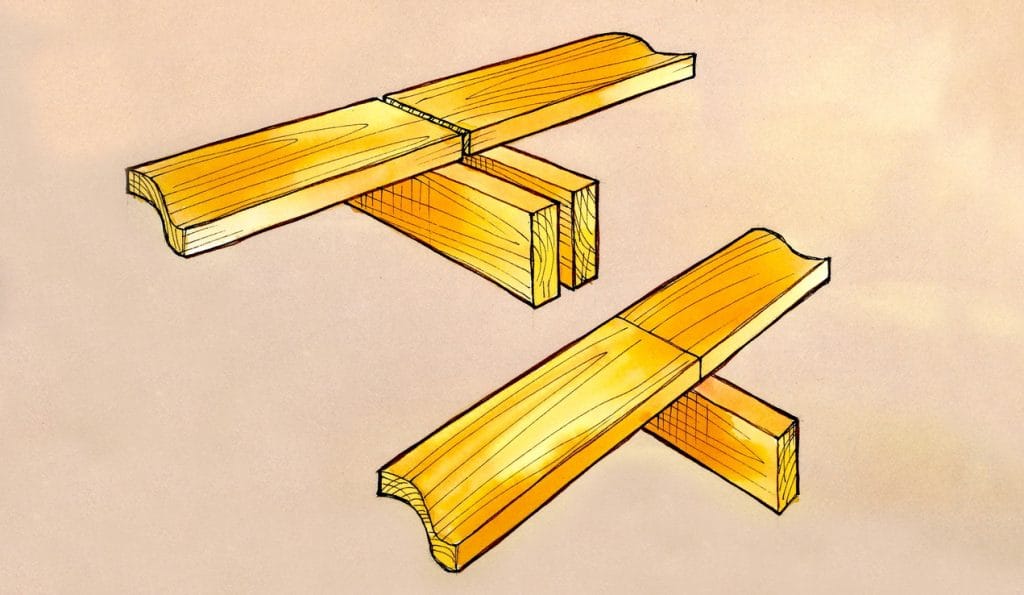
The biggest cause of rot in outdoor structures is moisture trapped between overlapping pieces of wood. Think of deck joists meeting support posts, multiple boards nailed together to make a composite beam, deck boards sitting flat on the top edges of joists, or the end of a post buried in soil or concrete. These are all places where moisture can collect and linger, and rot-producing microbes love this.
This is why long-lasting outdoor projects depend on designs that minimize wood-to-wood contact areas. Anything that allows moisture from rain and snow melt to drain away and dry quickly will dramatically extend the life of a structure.
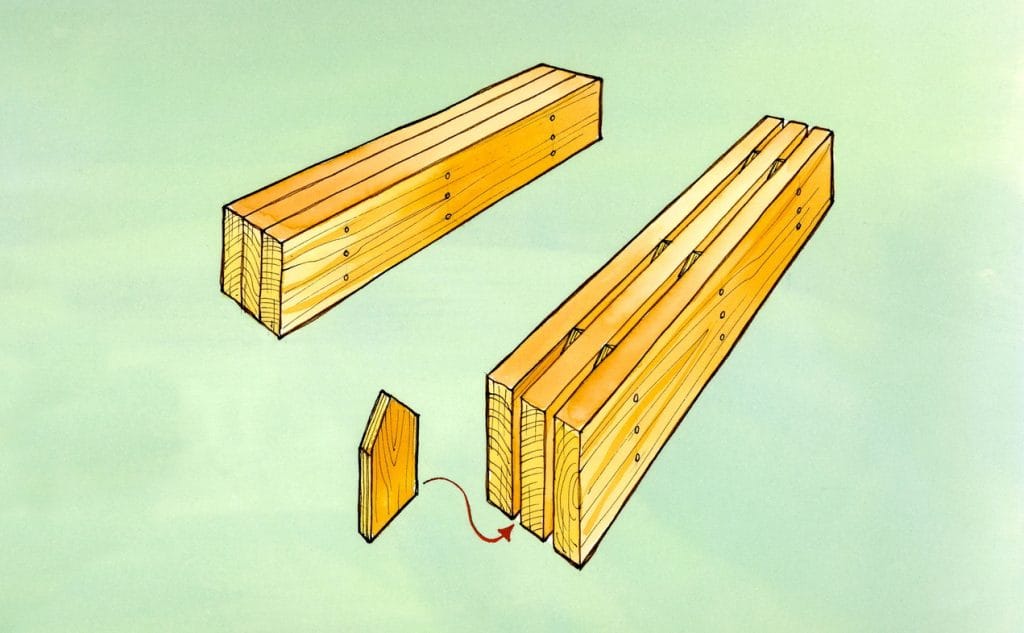
It sounds simple, but very few deck builders I’ve seen bother with this. In deck or gazebo construction, for example, using spacers between boards joined into a single beam is highly effective. So is joist tape, plastic spacers or slightly raised connections where floorboards meet joists. All this encourages rapid drying and rot-free performance.
Choosing fasteners
Many people are surprised that the chromated copper arsenate (CCA) compound used in pre-2004 PT lumber helped prevent corrosion of screws, nails and lag bolts better than what’s used today: alkaline copper quaternary (ACQ) or copper azole (CA). This is why it’s essential to use deck screws, nails and lag bolts that are specifically rated for use with ACQ and CA lumber.
In my own work, I favour something even better — stainless-steel or hot-dipped galvanized fasteners. Stainless steel is more expensive so if budget is an issue, use it for joints that would be difficult or impossible to reinforce later.
Ultimate rot resistance
If you’re looking for maximum longevity, foundation-grade pressure-treated lumber is definitely worth considering. This typically still uses the same CCA treatment discontinued elsewhere, and it’s treated to a much higher standard that’s needed for all-wood house foundations in full contact with the soil.
This is why foundation-grade lumber is considered a “never-rot” option for many outdoor projects. This has certainly been my experience with this stuff. It costs more than regular PT lumber and it’s not available in as wide a selection. But in situations where replacement would be difficult or expensive, foundation-grade wood can be well worth the investment.
Pressure-treated lumber is valuable, effective and economical, but it’s not a magic solution. Build in a way that lets wood dry quickly, choose your fasteners wisely, and your project will last for decades instead of just years.