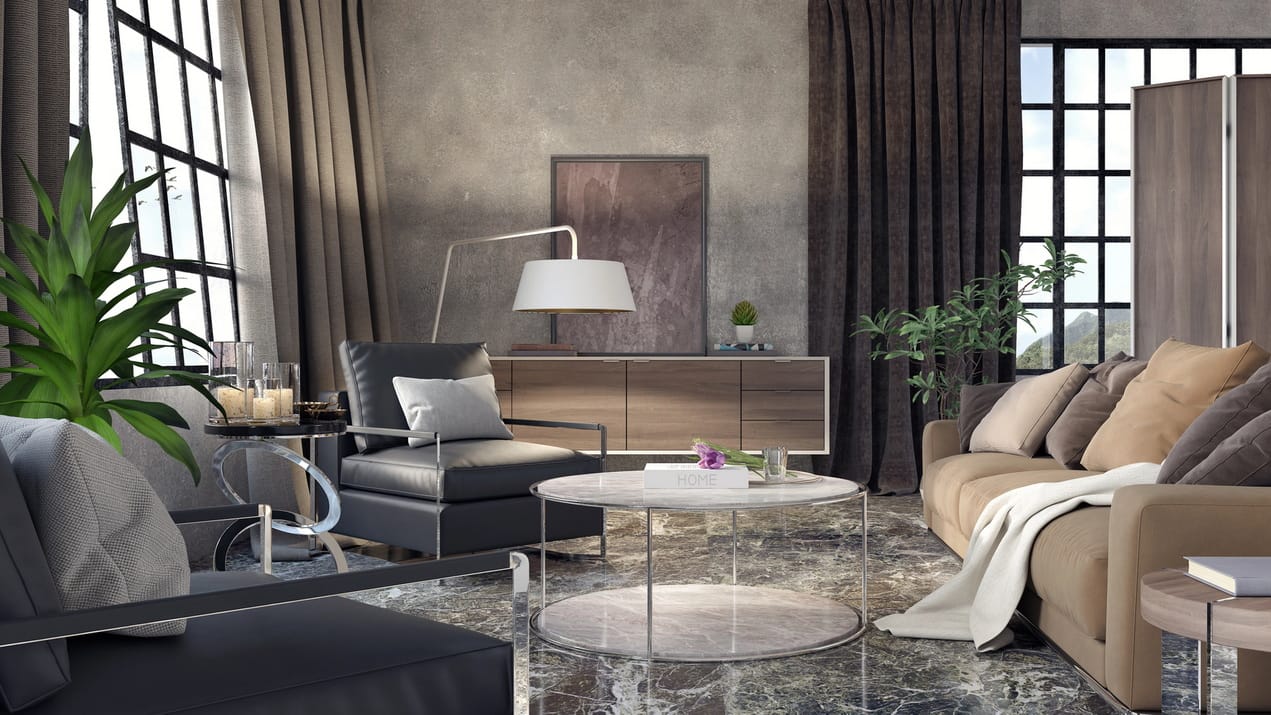
If you’ve ever worked with a designer or followed a design show, you’ve probably heard the words “layers and textures” tossed around. But what do designers mean? I often find homeowners are a little stumped by this terminology. How do I add layers? What kind of texture do I need? And how do I know when I’ve done enough?
Well, I’m here to tell you — it’s much easier than it sounds.
When I’m designing a room, I think of layers and textures as the elements that give a space depth, warmth and personality. Without them, even a beautifully furnished room can feel a little flat or cold.
And the good news? You don’t have to spend a fortune to make it happen.
Start with what you have
One of my favourite things about design is that you don’t always need to go shopping. Shop your own home first.
Move a throw from the family room to a bedroom. Try a different collection of pillows on your sofa. Bring in a basket from another room or add a piece of vintage or pre-loved furniture.
Sometimes, simply rearranging what you already own can create a whole new look.
Think about your big pieces
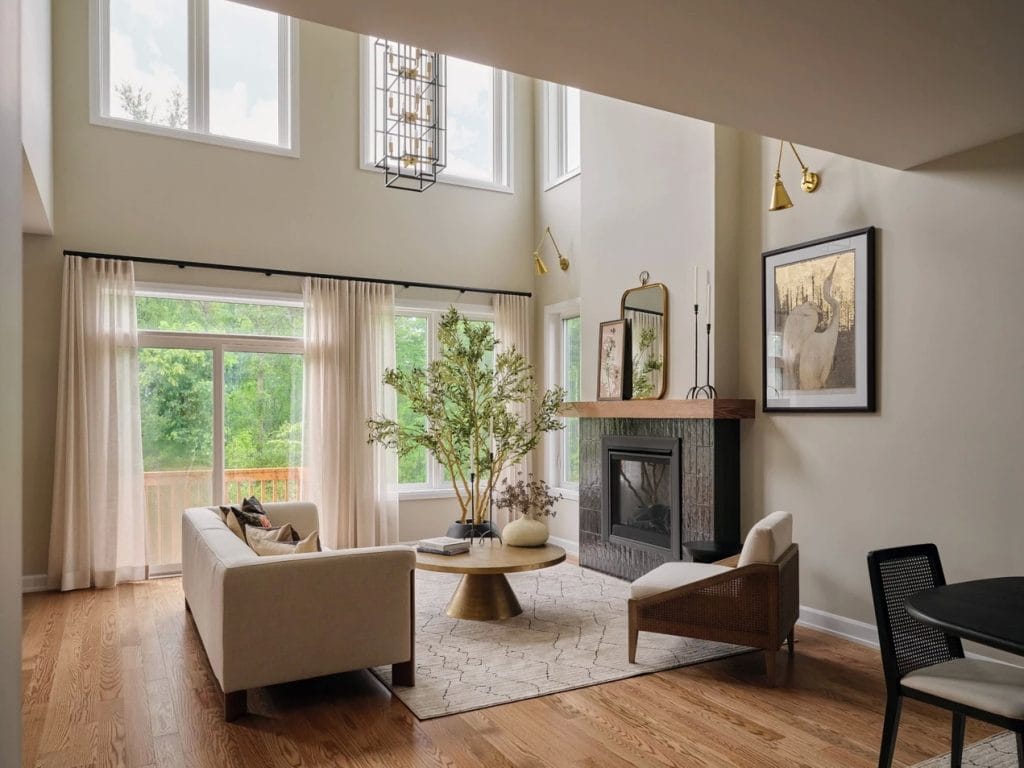
Start with the foundation of your room.
A textured area rug over hardwood or tile instantly adds warmth. When choosing larger upholstered pieces, consider fabrics such as linen, tweed or leather. And don’t forget your walls—wood paneling, stone, textured wallpaper or even a beautiful paint finish can add another layer.
These larger elements create the backdrop for everything else.
Now mix it up
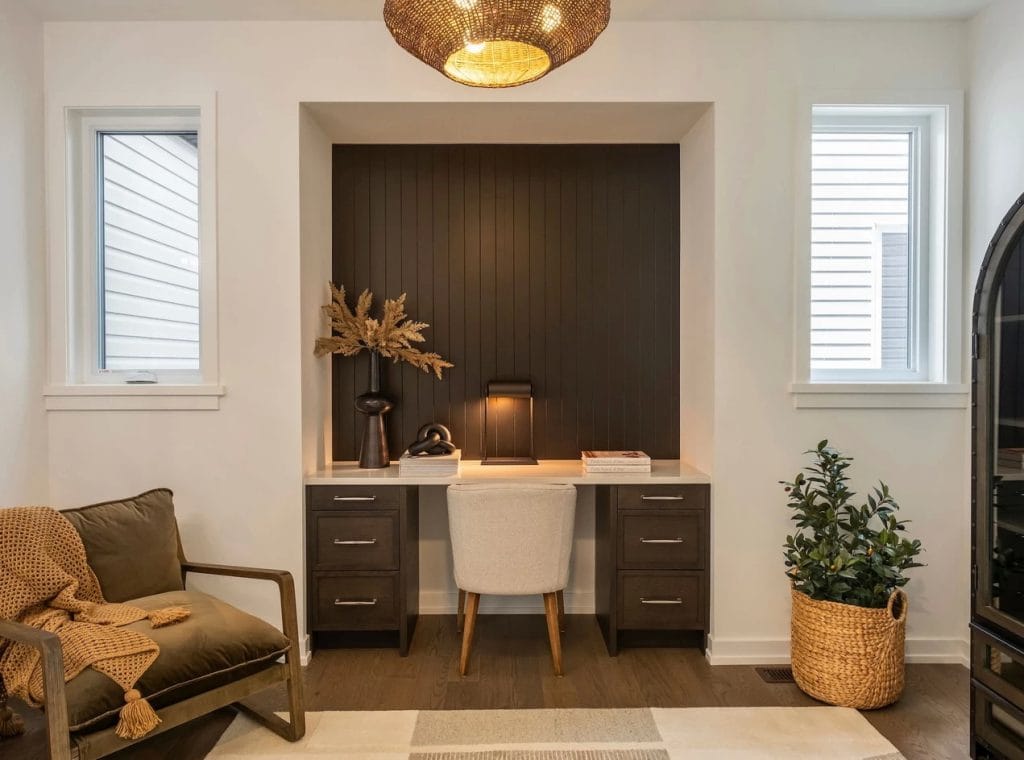
This is where I have the most fun.
I love mixing hard and soft, smooth and rough, old and new. Think about a sleek glass coffee table paired with a rustic wooden tray. A structured leather chair softened with a chunky throw. Smooth ceramic accessories displayed on a weathered wood shelf.
It’s the contrast between these materials that creates visual interest. If everything is smooth, shiny and new, a room can feel a little cold. Add something weathered, woven, soft or vintage and suddenly the room has character.
Layer your soft goods
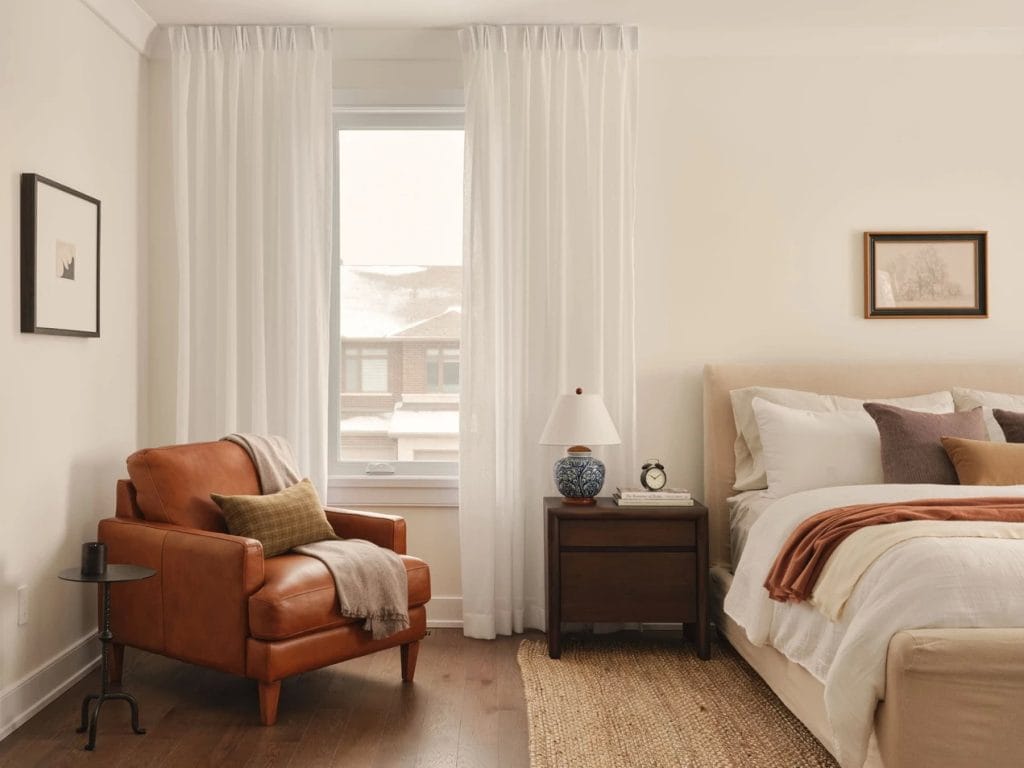
Pillows, throws, curtains and bedding are some of the easiest ways to add texture.
Try layering pillows in different sizes and fabrics rather than buying a matching set. Add a cosy throw to a chair or sofa. Mix smooth cotton bedding with a quilt or waffle-weave blanket.
And when it comes to window treatments, don’t underestimate the impact of fabric drapery. It softens a room, adds texture and draws your eye upward.
You don’t want everything to match perfectly. You want it to work beautifully together.
Texture isn’t just about touch
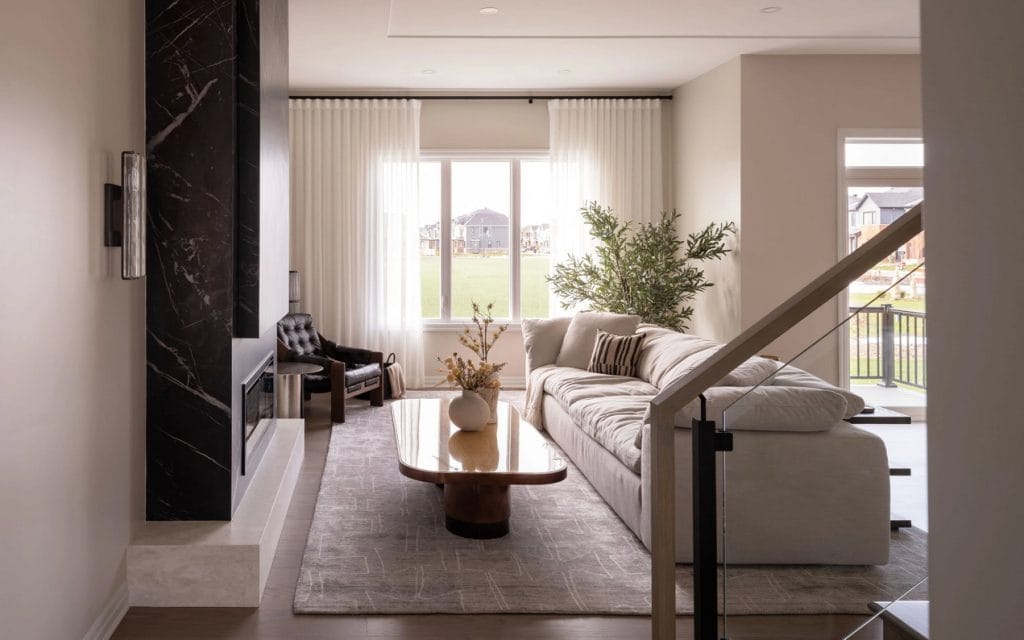
There are actually two types of texture in design: tactile texture and visual texture.
Tactile texture is exactly what it sounds like — it’s how something feels when you touch it. Think of a chunky knit, soft velvet, rough wood, natural stone or a smooth marble tabletop.
Visual texture is a little different. It’s about how something looks and the feeling that creates.
A matte wall colour can feel soft and calming. A glossy finish or mirror can bounce light around a room. Patterned wallpaper, wood grain, woven baskets and printed fabrics can all create visual texture, even when the surface itself is relatively smooth.
This is where I really like to have fun!
A simple way to remember it
One design philosophy I often use is the idea of seven decorating layers:
- Paint & architecture: Your walls, ceilings, mouldings and trim create the foundation
- Flooring & rugs: They ground the room and add warmth
- Upholstered furniture: Sofas, chairs and other large pieces establish the layout
- Accent fabrics: Pillows, curtains and throws bring softness, colour and pattern
- Non-upholstered furniture: Coffee tables, side tables and bookcases add structure
- Accessories: Artwork, mirrors, books and personal treasures bring your personality into the space
- Lighting & plants: These final touches add warmth, atmosphere and life.
When all these elements work together, you get a room that feels complete without feeling overdone.
My design tip: Don’t overthink it
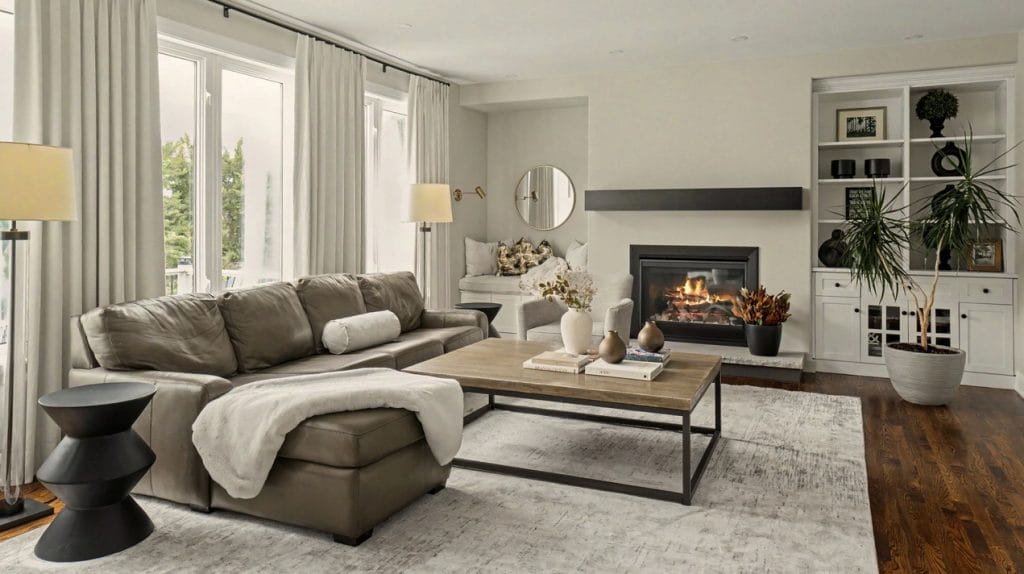
When clients ask me how to get this look, my advice is always the same: Start with something you love. It might be a beautiful old piece of furniture, a favourite fabric, a painting, a rug or even something you found while thrifting.
Use that piece as your inspiration and build from there.
Add something soft. Then something natural. Mix in a little shine. Bring in something old or weathered. Add a plant. Layer in a few personal accessories.
Before you know it, your room has depth, warmth and — most importantly — your personality.
That’s really what good design is all about.
And remember, some of the best design treasures may already be sitting in your home — or waiting to be discovered at your favourite thrift or vintage shop.
Happy layering!
