When you think of frozen water pipes, you probably picture crawlspaces, basements or exposed plumbing. Yet every winter some of the most costly pipe failures happen in places homeowners least expect.
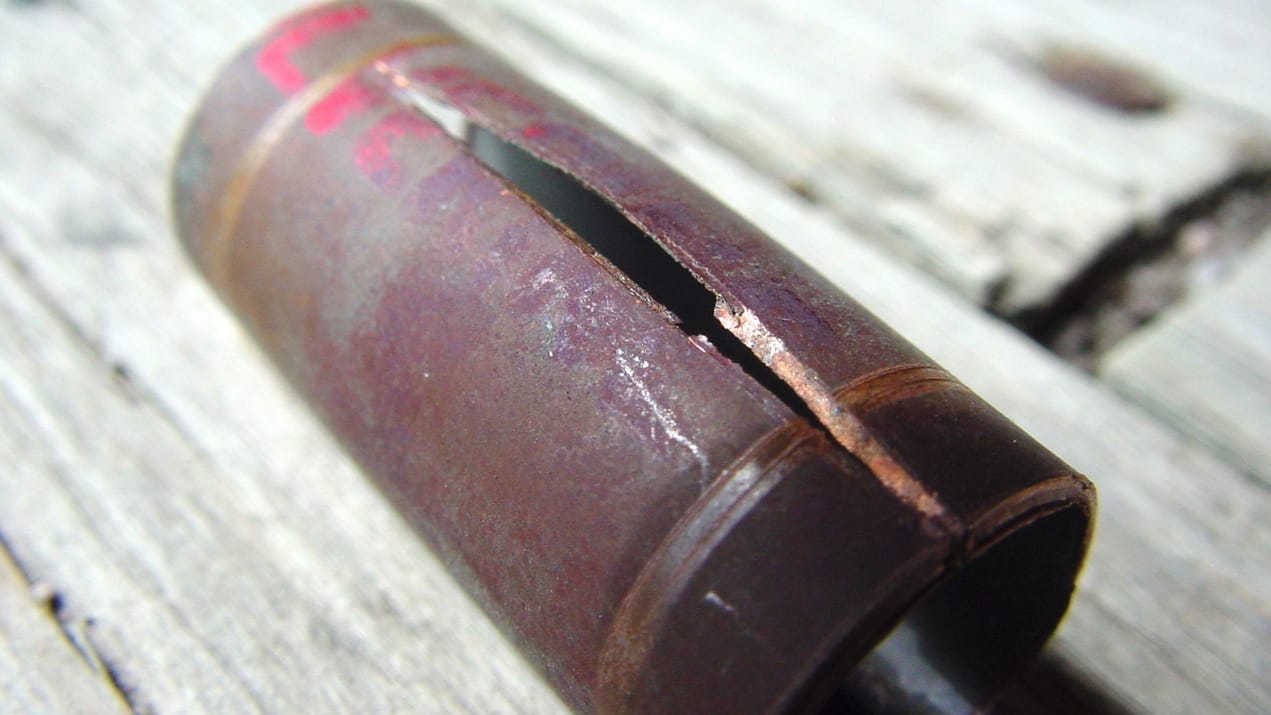
Water is one of the few substances that expands as it freezes. It gets bigger by a whopping nine per cent when it solidifies and this is why frozen pipes don’t just stop water flow, they’re also likely to split from water expansion. Here’s where freezing actually happens most often, and what to do if it does.
Pipes in exterior walls
Water supply pipes shouldn’t be installed within exterior walls, but sometimes they are. Even small air leaks can allow cold air to reach pipes. Kitchen sinks are especially vulnerable here. Pipes sit against outside walls with lower cabinets blocking warm air circulation.
A kitchen or bathroom located at the corner of a building has two exterior walls instead of one, increasing heat loss and exposure to wind. Even if a room feels only “a bit chilly,” temperatures inside the wall or right next to it can drop below freezing.
Unheated or under-heated adjacent spaces
Pipes don’t freeze just because of outdoor temperatures. They also freeze because of what’s happening nearby. Plumbing often runs through floors, ceilings, garages or utility spaces. If adjacent areas are minimally heated, rarely used or if wind picks up at low temperatures, pipes can freeze even when the main living space feels warm.
Pipes near exterior doors and garages
Many homes route plumbing through areas that feel “inside” but behave like outdoor walls — near exterior doors, above garages or through passages where ducts and cables run.
These areas can experience sudden temperature drops, especially during windy conditions. And, strangely enough, when I’ve dealt with frozen pipes professionally, more often than not it’s the hot water pipe that freezes first, not the adjacent cold-water supply. Theories vary as to why, but the most reasonable I’ve heard is that there’s no dissolved oxygen in water that ran through a heater and this makes it freeze somewhat faster even if that once-hot water has since cooled.
How to thaw frozen water pipes
If water stops coming out of a working tap, act early and gently. Start by opening the affected fixture slightly and increasing heat in the area. Open lower cabinet doors to allow warm air to circulate. Even slow dripping helps relieve pressure. I’ve lived in older houses where closing lower kitchen cabinet doors in winter meant no water when temperatures were low and wind high.
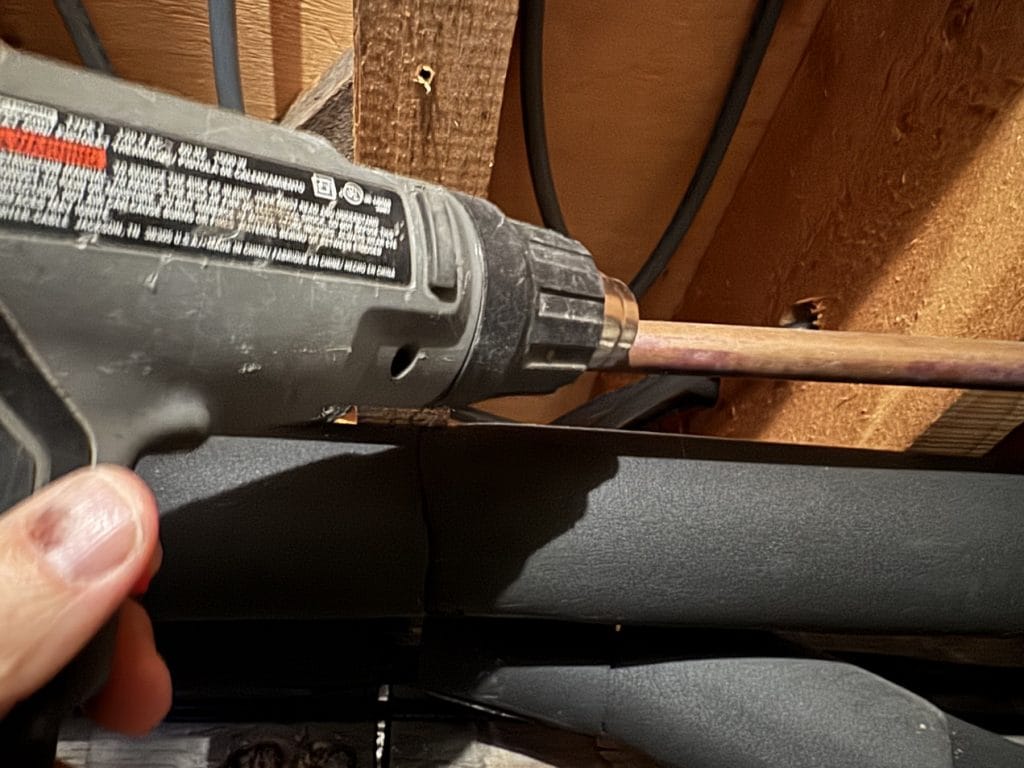
If pipes are accessible, apply gentle heat using a hair dryer, heat gun, warm towels or a portable electric heater kept at a safe distance. Always begin warming near the faucet and work toward the suspected problem. Don’t use any kind of open flame or fuel-burning heater.
For pipes hidden behind cabinets or walls, DIY thawing is difficult, risky and usually beyond DIY skills.
For renters
Renters are expected to maintain reasonable heat, report frozen pipes promptly and avoid leaving homes unattended with heat turned down. Ignoring early warning signs can lead to disputes and renter liability if damage occurs.
Owners should understand where pipes run, instruct renters to maintain stable indoor temperatures, and ensure daily inspections of the place when people will not be living in the house for more than a day during winter. Some insurance companies will attempt to get out of paying claims if inspection of the house doesn’t happen every day or two while your renters are on winter vacation.
Getting water flowing as soon as possible will be your main priority, but fixing the situation permanently is not something to forget once spring comes. Until then, leave taps running through freeze-prone pipes enough to create the smallest single stream you can during cold weather. This keeps vulnerable pipes flowing until you can make sure it never happens again.