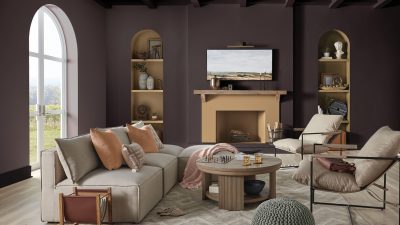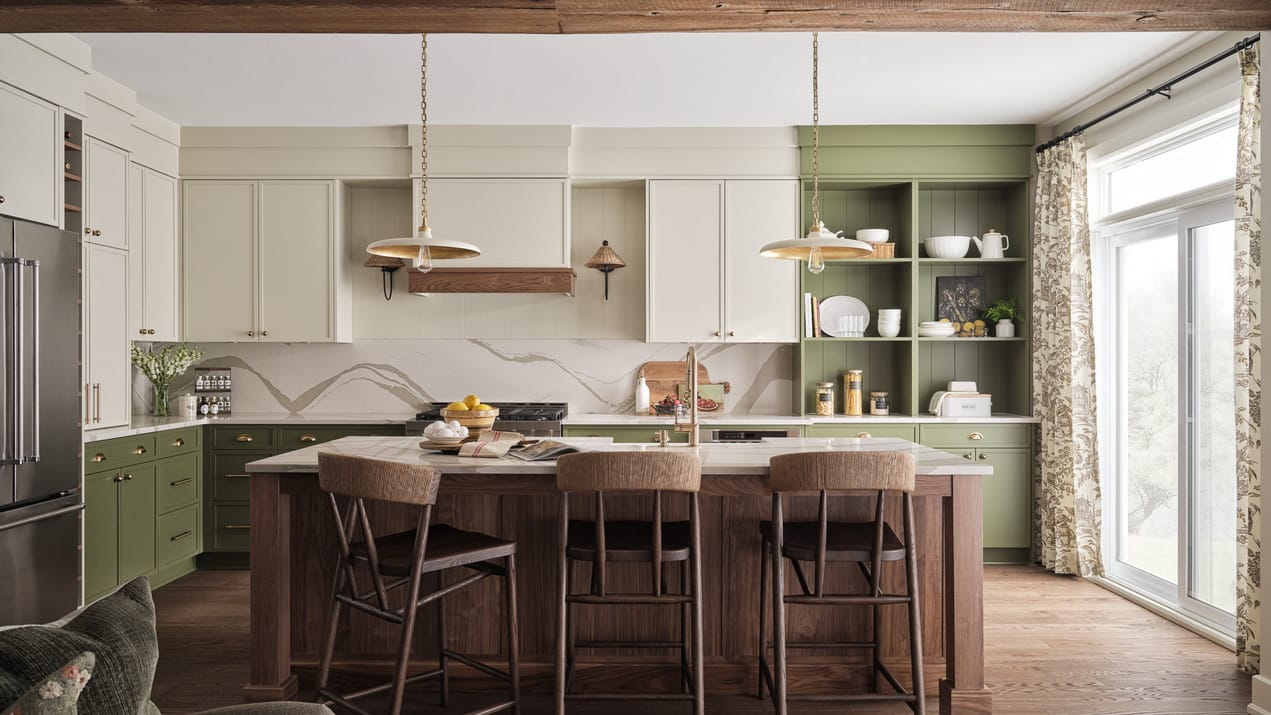
Expect a bit of a rinse-and-repeat year when it comes to 2026 trends. Much like last year, industry experts who were canvassed on what we’ll see in Ottawa homes this year pointed to affordability concerns, flexible living (think multi-generational spaces and secondary dwelling units), a warmer design esthetic and a market that is improving but faces challenges.
Here’s what they had to say.
Jump right to:
Housing market
Housing trends
Renovations
Design & decor
Colours of the year
Housing market
It’s been a tough couple of years for the industry. Despite a backlog of pent-up demand to buy or improve a home, buyers and homeowners remain hesitant thanks to an uncertain economy, unpredictable measures such as tariffs from the United States and, more recently, talk of government job reductions here at home.
Up to the end of November (numbers for December were not available at the time of writing), new-build sales in Ottawa were off the 10-year average by 23 per cent, while resales were down eight per cent from the 10-year average.
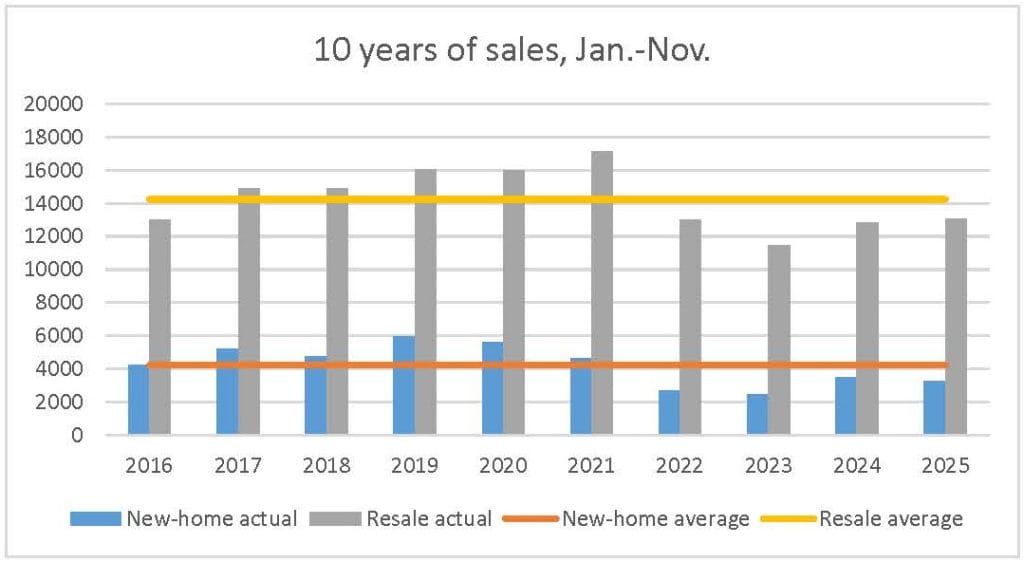
Still, Cheryl Rice, who is president of the Ottawa branch of industry analyst PMA Brethour Realty Group, says the market is stable, with the final months of 2025 “maintaining a firm footing.”
The Ottawa Real Estate Board (OREB), which monitors the resale market, agrees. “The patterns seen in October and November 2025 are likely to continue, with balanced conditions, stable pricing and a gradual easing of the elevated inventory levels that built up through the fall,” the board says.
Rice sees borrowing costs continuing to move in the right direction with the Bank of Canada’s October cut to its key lending rate down to 2.25 per cent and notes that analysts anticipate at least one additional 25-basis-point cut in 2026, likely in the first quarter.
And she says the province’s intention to mirror the federal HST/GST rebate for first-time buyers on new homes up to $1 million will provide incremental support once implemented, although she concedes that its delayed introduction has “had unintended consequences, including increased buyer hesitation and signs of cooling in new-home construction — precisely the opposite of what the policy intended.”
Overall, buyer confidence “remains conflicted,” she notes. “Rate relief and new policy measures create favourable conditions to enter the market, while trade tensions, federal public service restructuring and persistent affordability pressures urge buyers to proceed with caution.”
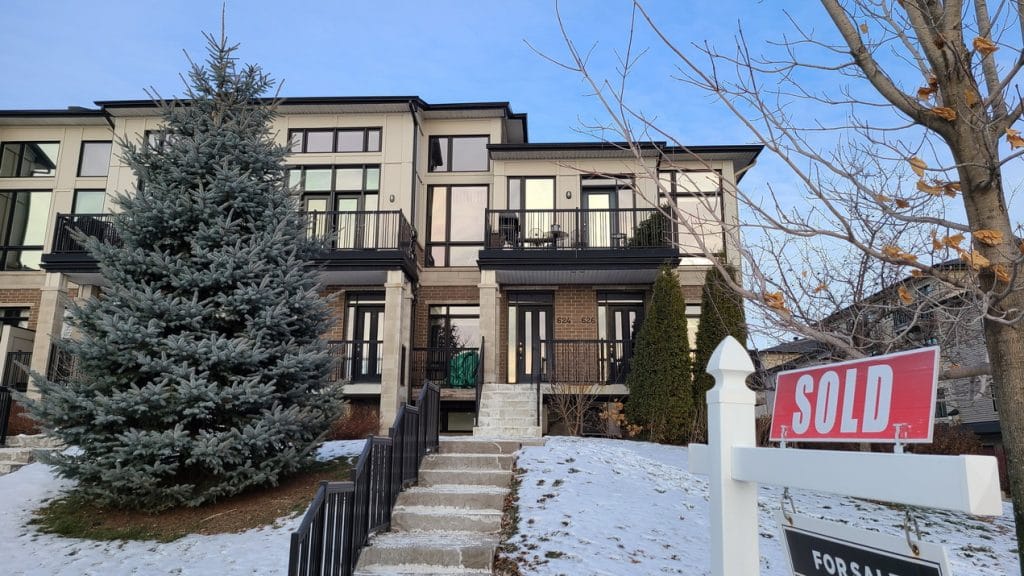
OREB adds that with a market that is “sensitive to broader economic signals… the opening months of 2026 are likely to remain characterized by cautious consumer behaviour, steady pricing and balanced market dynamics… The overall picture points to a market that is measured rather than volatile and supported by steady demand.”
OREB president Tami Eades does see reason for optimism for 2026. “Things will improve in a gradual, steady way. While we’re not expecting a dramatic upswing, the fundamentals for improvement are in place…. The key is that improvement in 2026 will likely be moderate rather than rapid. But after the volatility of the past few years, a stable, predictable market is welcome news.”
Jake Shabinsky of Glenview Homes sees 2026 as “a slightly better version of 2025… Lower interest rates and tax measures for first-time buyers will help, but uncertainty around the federal workforce and U.S. trade talks means it won’t be a full rebound.”
Interest in homeownership remains surprisingly strong, despite the uncertainties felt by many buyers, Rice says, pointing to a forecast by the Canadian Real Estate Association that calls for a 7.7 per cent increase in national sales and a 3.2 per cent rise in average prices in 2026.
“Supporting this are demand-side fundamentals that are remaining intact,” she says. “Many buyers who paused their search in 2025 are expected to re-enter the market in spring 2026, particularly if additional rate cuts materialize.”
Realtor Jenniffer Alvarenga of GoodStory concurs. “There’s a strong wait-and-see mentality that continues to be the norm… People are hesitant to be the first to make a move, and that hesitation actually creates opportunities for buyers who are willing to step in.”

The condo market, in particular, will take time to recover, she says. “We likely won’t see meaningful momentum until 2027 or even 2028 because supply is high and demand is soft, unless we get a curveball. I’d say serious buyers will find great value if they’re patient and strategic.”
She also believes the market will see gradual improvement “simply because people can only wait so long. Even in uncertain times, life doesn’t pause. Babies are born, jobs change, families grow or downsize, and people eventually adjust to new conditions… I think 2026 will be the year people start getting comfortable with the new normal and making those decisions again, especially with interest rates going down.”
In its 2026 market outlook, real estate firm Re/Max predicts the average residential resale price in Ottawa will increase by three per cent next year compared to 2025. “Prices in 2025 were gradually trending upward, and with interest rates now in a more neutral range and overall market balance holding steady, Ottawa is positioned for modest, steady growth rather than any dramatic swings,” the report says.
It also forecasts average residential resale numbers to rise about five per cent in 2026. “Sales this year are already slightly ahead of last year, and as borrowing costs continue to ease, more first-time buyers and move-up buyers who delayed plans in 2023 and 2024 are expected to re-enter the market.”
Rentals
On the rental side, leasing rates — at least for purpose-built and condo rental apartments — remain fairly stable. The most recent National Rent Report by Rentals.ca shows rental rates in Ottawa declined when comparing this November to November 2024: one-bedroom units averaged $1,957 (vs. $2,045); two-bedrooms were $2,491 (vs. $2,536); and three-bedrooms were $2,810 (vs. $2,830).
MORE: Explore our interactive map of new-build rental projects
Nationally, the report showed that the average asking rent for all residential properties in Canada declined by 3.1 per cent year-over-year in November to $2,074, marking the 14th consecutive month of annual rent decreases. But it also notes that despite the extended downturn, average asking rents remained 3.4 per cent higher than three years ago.
In keeping with that finding, the Re/Max 2026 outlook notes that “Ottawa’s rental market remains very expensive, with rent growth outpacing wage growth. Many first-time buyers are choosing to purchase earlier than planned because the cost of renting is now comparable to, or in some cases higher than, the cost of ownership.”
2026 trends: Housing

Affordability, or a lack thereof, coupled with economic uncertainty continues to drive housing decisions. With first-time buyers struggling to get into the market and seasoned homeowners hesitant or unable to move, flexibility has become the mantra for both builders and buyers, who have increasingly done their research.
“The industry has had to become more resourceful and customer-focused,” says OREB’s Eades. “Builders and renovators are sharpening their pricing strategies, offering more customizable packages and emphasizing energy-efficient upgrades to meet shifting expectations. Trades and suppliers are planning further ahead and managing timelines more cautiously after years of supply-chain unpredictability.”
The push toward more affordable, efficient housing solutions will continue to shape development patterns, says Vasi Jackson of HN Homes. “Expect sustained demand for higher-density formats such as townhomes, urban towns and semi-detached properties, styles that offer a balance between affordability and usable space. Builders that prioritize thoughtful design, adaptable layouts, and floor plans that incorporate secondary suites will be well positioned heading into 2026.”
Secondary suites and multi-generational living options have become particularly popular.

“Flexible, family-focused floor plans continue to grow in demand,” notes Tobin Kardish of eQ Homes. “As affordability becomes more important, families are looking for homes that can do more, spaces that grow with them and reduce the need to move as life evolves. We have seen a strong interest in layouts with built-in adaptability, including main-floor in-law suites, multi-purpose flex rooms, convertible lofts and full secondary suites.”
eQ is one of several production builders that have begun offering homes with secondary dwelling units as part of their portfolios.
Even on the resale side, these kinds of flexible spaces are popular. “Rising costs have made multi-generational households more common. Basement suites, secondary dwelling units and layouts with main-floor bedrooms and full bathrooms are in much higher demand,” notes Eades.
Alvarenga says she has been advising clients for over a decade to build with in-law suites or at least rough-ins for future ones. “It consistently pays off, sometimes adding over $100,000 compared to similar homes without them. In the past, we’d highlight the potential for a secondary dwelling as a strong value-add or encourage clients to plan for one when renovating or building. Now, many buyers are actively asking for them from the very start of our journey.”
Other areas that are proving popular include multi-purpose rooms, improved storage solutions, energy efficiency and sustainability, work-friendly homes, smarter use of square footage and “smaller-scale luxury” such as high-quality finishes and spa-like bathrooms that make a home feel special without increasing its footprint, says Eades.
And for Casa Verde Construction, Ottawa’s custom builder of the year for 2025, open-concept layouts may remain popular, but there is a growing emphasis on private retreats, multi-purpose rooms, dedicated entertainment zones, wellness spaces and outdoor living. “Designed with both function and elegance in mind, these adaptable spaces allow homeowners to live, work and entertain comfortably, all while prioritizing health (and) lifestyle,” says Casa Verde’s Laura McElligott.
Similarly, designer Natalia Pierce of Detail by Design notes that housing design and layout are shifting slightly to allow more privacy. During the pandemic, “people realized that open concept came with sacrifices to intimate settings and sound attenuation,” she says.
2026 trends: Renovations
Much like we’re seeing in new homes, multi-generational living, flexibility and secondary suites will continue to make headway in renovations in 2026, says Lindsay Haley, director of design and construction for Amsted Design-Build, which is Ottawa’s renovator of the year.
“With the housing market fairly stagnant, people have been staying put and investing in their current homes. Multi-generational living options are being explored more often as renovators and builders look for ways to support affordability in today’s environment.”
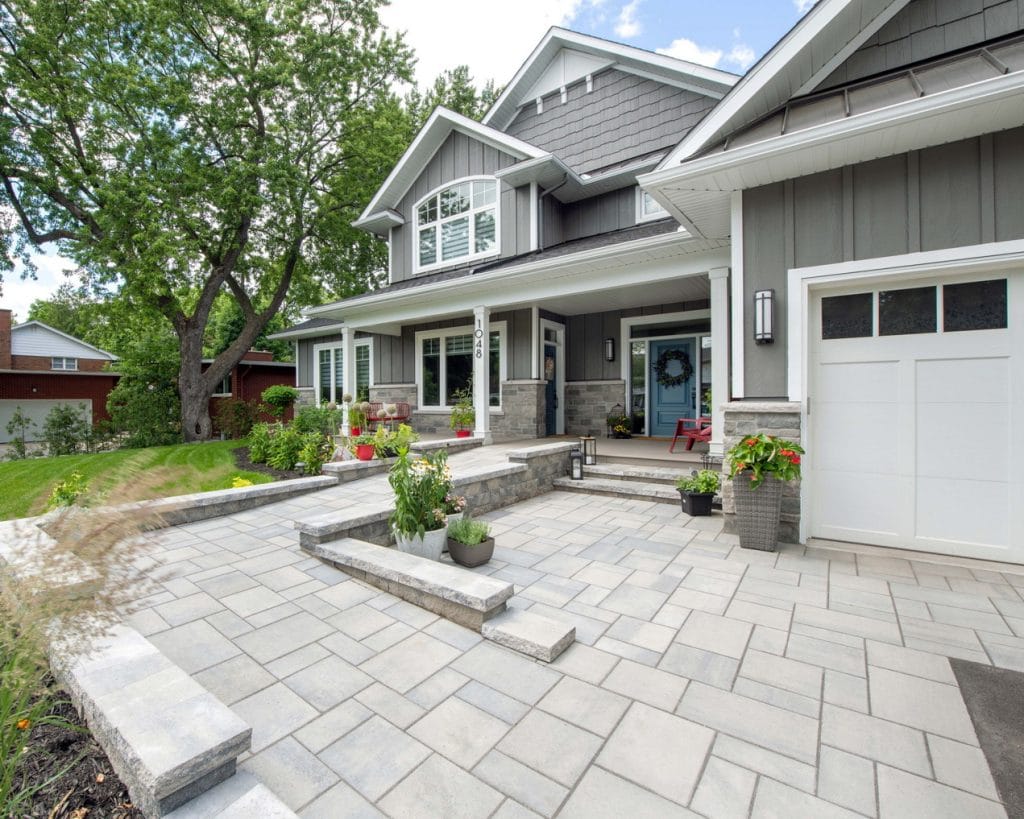
They’re also looking to future-proof their homes, he says. “Universal design features like barrier-free layouts, wider openings, curb-less showers and grab-bar backing are just some of the features seeing more demand.
“Homeowners are looking for layouts that can adapt with them, so we’re seeing more multi-use spaces, wellness areas, tech-ready zones and additional dwelling units — whether for multi-generational living or added rental income.”
In a departure from new-build homes, where the full open-concept main floor is giving way to spaces with some separation, in renovations Amsted is seeing open floor plans becoming more of a standard, likely driven by both a desire for accessibility and older homes with choppy floor plans that are inefficient for today’s families.
“So many of the homes (we renovate) have main floors fully divided into individualized spaces — kitchen, dining room, living room, hallway — and they’re commonly small,” says Amsted marketing director Stephanie Haw. While the company did notice a trend right after the pandemic of homeowners asking for some dedicated rooms, “we’re seeing that recalibrate a little bit. People still want open entertaining and bigger spaces to come together, while maintaining some dedicated-purpose rooms. And when it comes to accessibility, (open layouts) can help with movement throughout the space.”
Haley also notes a rise in home automation — things like smart lighting, voice controls, cameras, sensors, automated blinds, even robotic maintenance devices — as well as EV chargers becoming more common. “Homeowners want spaces that support them seamlessly.”
Homeowners are also coming into the process more educated than ever, says Amsted design supervisor Deirdre Crick. “Price-conscious consumers want to make sure they get it right the first time. There’s so much information available now, and people are really using it to understand what’s best for them before making decisions.”
And Haw identified a trend in 2025 where clients initially came in looking to do smaller projects than Amsted saw in 2024 but ultimately moving forward with larger ones. “This may be a ‘settling in’ to the uncertainty; people deciding that the uncertainty will simply exist for now, so there’s no time like the present to move forward.”
Haley expects the first half of 2026 “to be pretty similar to the past year,” when overall they saw a reduction in demand from previous years, and heard the same from many colleagues in Ottawa and across Ontario. “But (we) are anticipating a slow uptick through the summer and a stronger fall. Early 2027 may dip again with some seasonality, but after that we’re looking forward to seeing a steadier climb.”
2026 trends: Design & decor
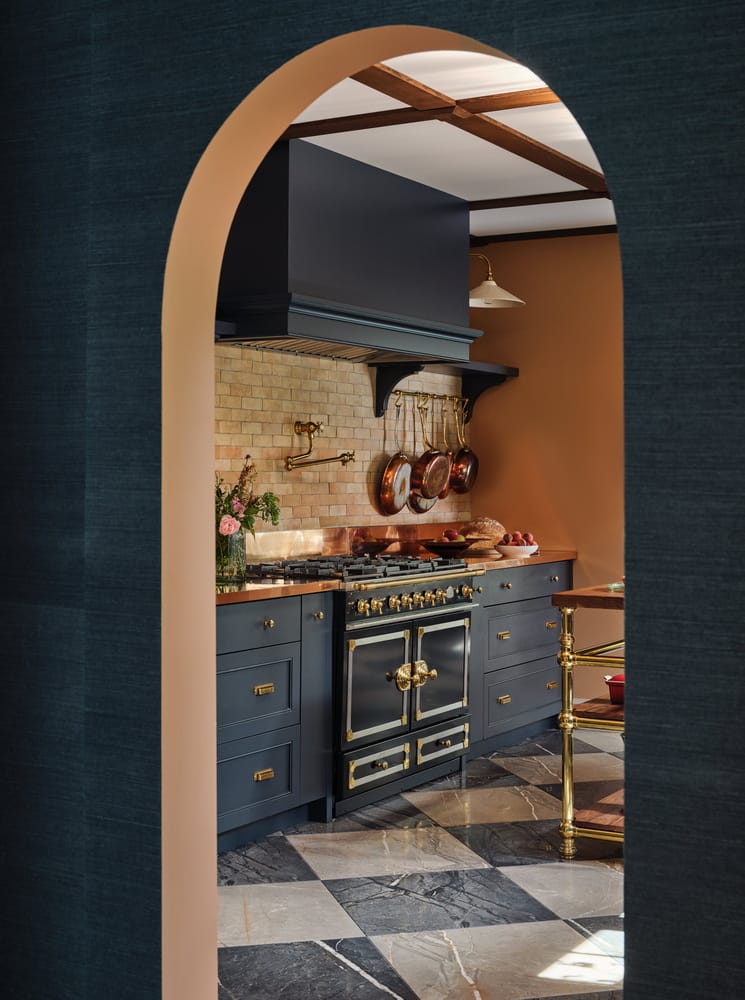
Big trends in design and decor continue to be a resurgence of colour, curves, texture or other organic forms — it’s about adding character and warmth to our spaces.
“Warm tones, greens and blues are showing up everywhere,” says Crick. “People are seeking personalization; they want their spaces to feel unique to them. A great way to do this is with colour. It’s also great at creating mood, and so we’re seeing increased use of it throughout spaces to help embody how people want to feel in their homes.”
Those greens and blues, particularly mixed with woods, bring a connection to nature, adds Pierce. “Often in times of uncertainty, people gravitate towards elements of nature for comfort.”
And they add depth, softness, texture, layers and character, “making a space more artful, less perfect; more human-crafted, less AI-generated,” notes designer Tanya Collins. “There is a new-found nostalgia for time-honoured, hand-made, classical elements.”
Designer Candice Wei is also seeing “a continued shift toward designs that balance refinement with real-world functionality” and an emphasis on light quality.
“There’s also a renewed appreciation for longevity — finishes with patina, solid craftsmanship and layouts that adapt gracefully as life evolves. Sustainability is no longer a trend but a baseline expectation, and we anticipate a rise in hyper-local sourcing as both an environmental and cultural response.”
West of Main is also seeing the shift to design with longevity.
“There’s a natural move toward design that feels timeless,” says senior designer and design manager Josée Sigouin. “After a few unpredictable years, it seems people are prioritizing quality craftsmanship and choices that will age well, rather than quick, trend-driven updates.”
She, too, is seeing homeowners craving more definition, “which means cosy rooms, quiet corners and subtle separation between spaces. It’s less about wide-open everything and more about homes that support real life, from working to relaxing to gathering with loved ones.”
In the kitchen
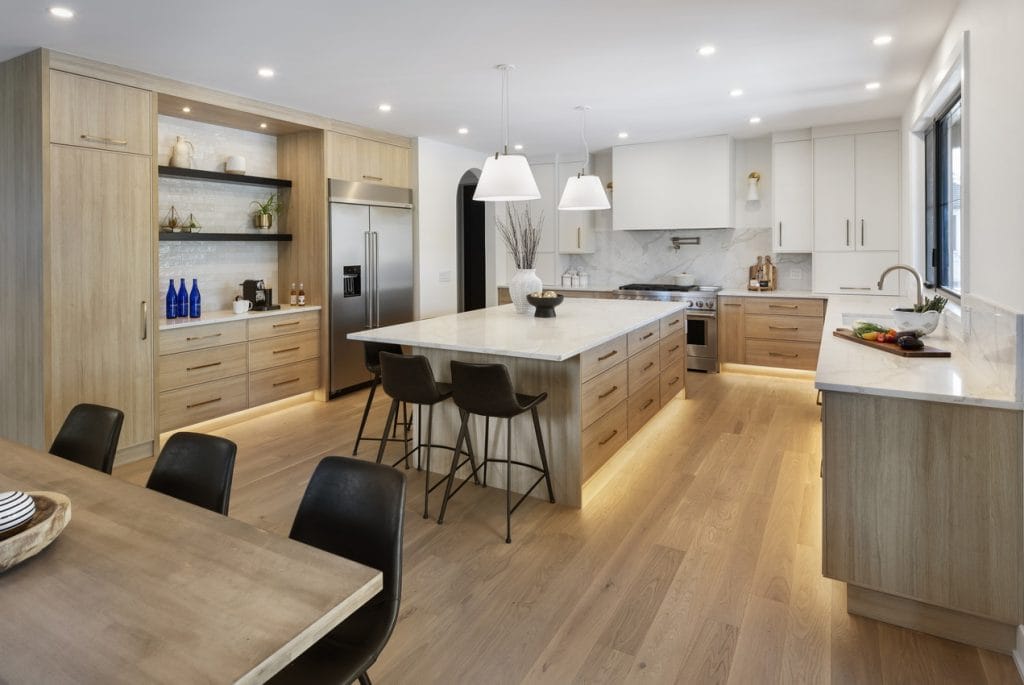
“Kitchens remain the emotional centre of the home, but with more architectural integration — hidden storage, smarter solutions, cleaner lines and materials that allow the space to blend seamlessly with adjacent living areas,” notes Wei.
Laurysen Kitchen’s Corey Laurysen is also noticing the continuation of clean lines, warm neutrals and natural textures, with wood grains (particularly rift-cut white oak) staying strong, but with more interest in rich stains and deeper tones, and thin-rail Shaker-style doors remaining popular.
“Functionally, interior organization continues to matter just as much as exterior styling — deep drawers, pullout waste solutions, integrated lighting and electrical, hidden appliances and smart pantry solutions are in high demand. People want kitchens to look calm even when life isn’t.”
Homeowners are planning with efficiency and flexibility in mind, he says. “We’re seeing more requests for multi-functional spaces, for example, kitchens that blend into living areas more seamlessly but still offer zones for prep, entertaining and work… The biggest shift we’re seeing is homeowners wanting cabinetry that’s both beautiful and hardworking. The kitchen has officially become the most engineered room in the home, and people expect quality that stands up to real life — not just magazine moments.”
2026 trends: Colour
While not unique to Ottawa, every year the various paint makers announce their top colour picks. Many were right on trend, opting for rich shades — and particularly green. A noticeable outlier, though, came from the Pantone Color Institute, which is not a paint maker, but which influences fashion, textiles, home decor and interior design.
In a move that surprised the industry, Pantone opted for a shade of white for its 2026 colour of the year.
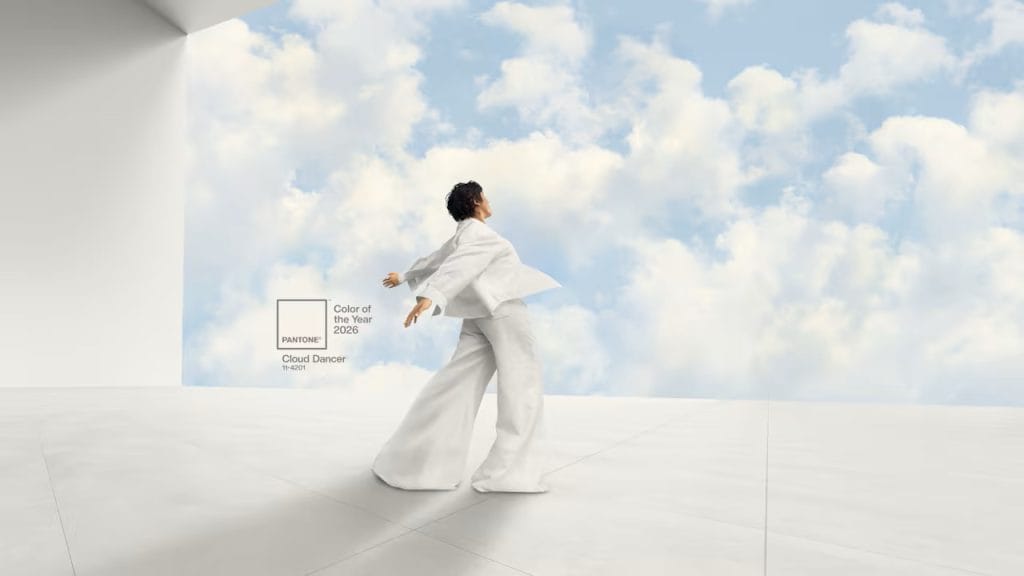
Cloud Dancer (11-4201), as the hue is called, is “a lofty white that serves as a symbol of calming influence,” the company says on its website. “A billowy white imbued with serenity, (it) encourages true relaxation and focus, allowing the mind to wander and creativity to breathe, making room for innovation.”
It’s seen by some as a loaded choice given the current political climate, but Pantone’s rationale is that it’s a “conscious statement of simplification,” says Pantone executive director Leatrice Eiseman. “The cacophony that surrounds us has become overwhelming, making it harder to hear the voices of our inner selves.”
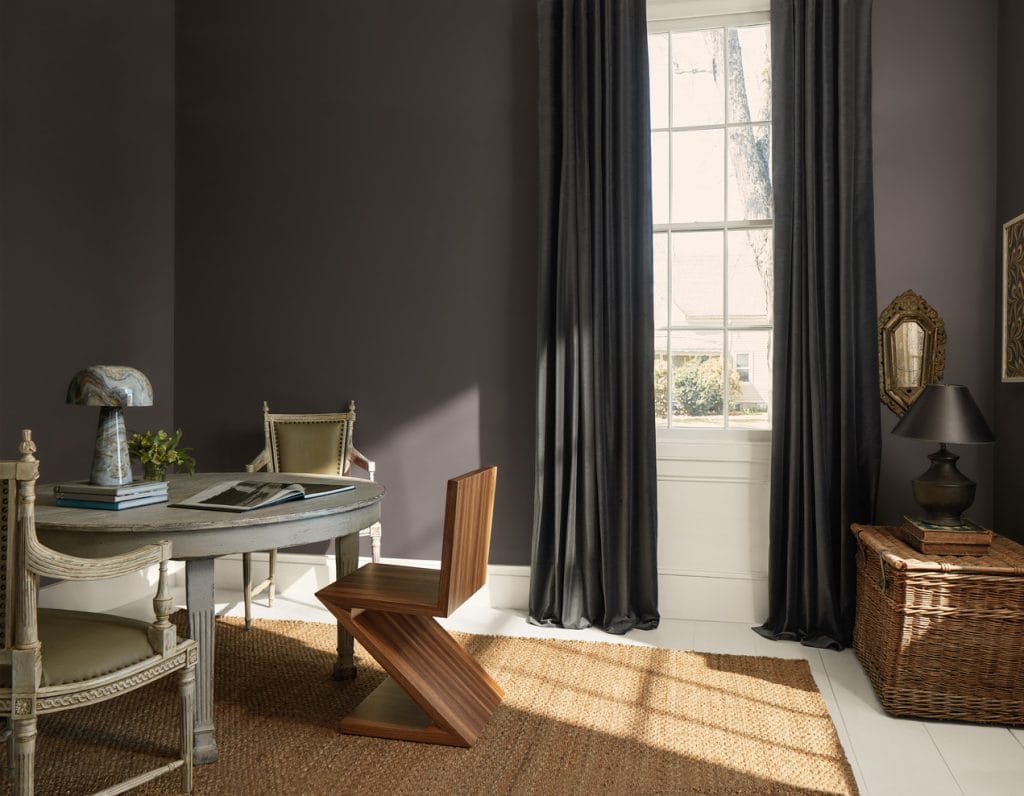
Benjamin Moore’s colour of the year is called Silhouette, “an alluring mix of rich espresso hues with subtle notes of charcoal,” the company says in a release. “Balancing refinement and distinction, Silhouette AF-655 weaves a narrative of enduring style and grace, inspired by the modern take on classical suiting.”
It also stems from a growing interest in the brown colour family,” says Andrea Magno, Benjamin Moore’s director of colour marketing and design. “Like a perfectly tailored suit, this hue has the versatility and softness to bring a space from expected to exceptional.”
Interestingly, last year Benjamin Moore also leaned into brown, with a lighter shade called Cinnamon Slate that was a mix of heathered plum and velvety brown.
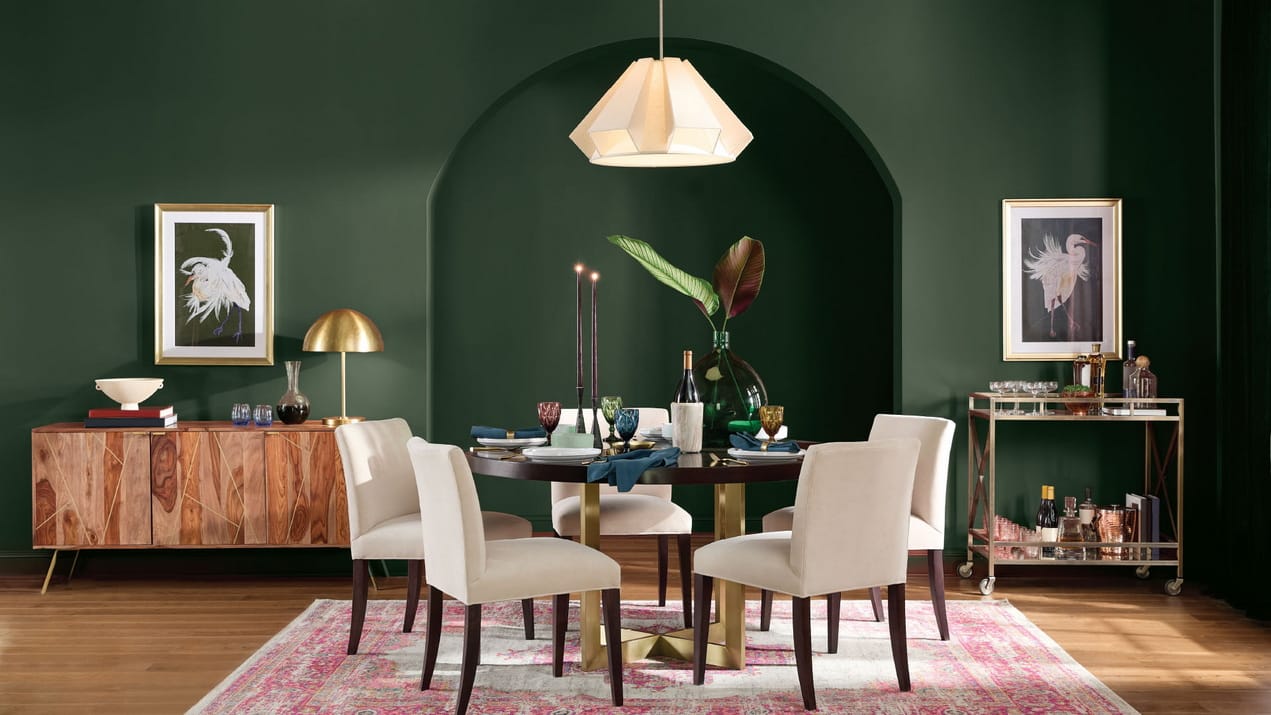
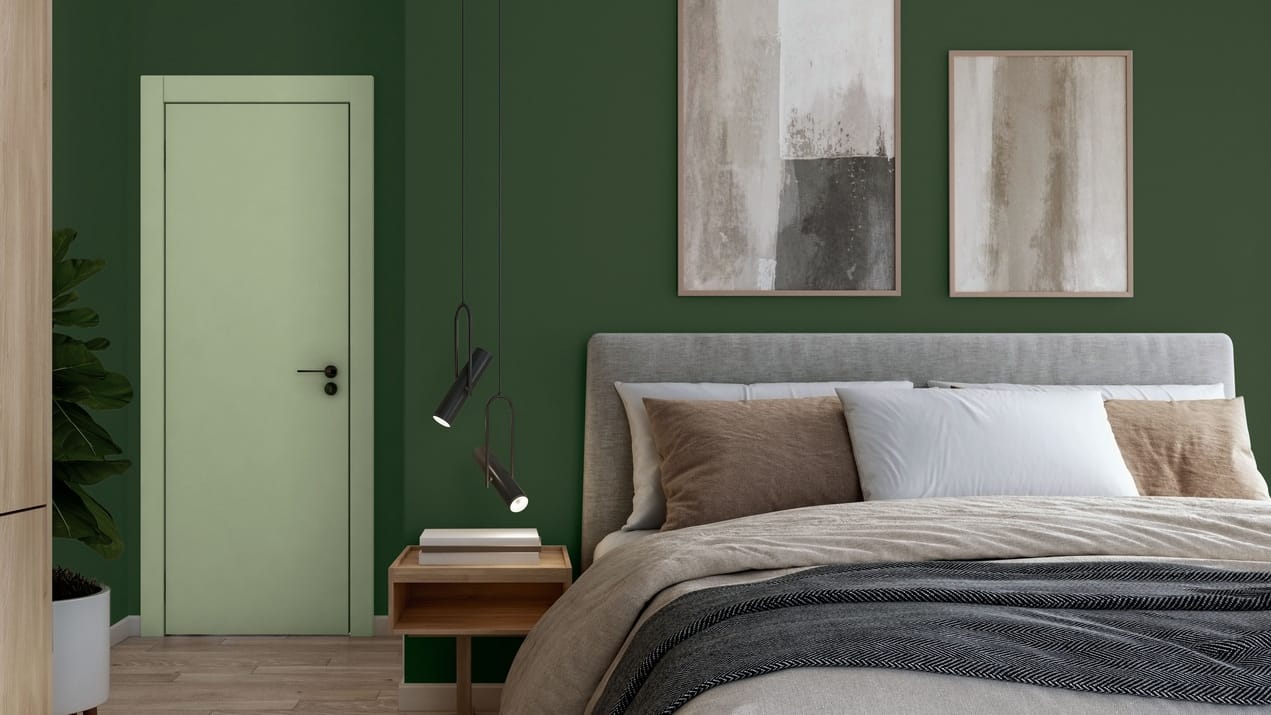
Dulux and Sico, meanwhile, which are both owned by the same company, are going green, unveiling similar shades and labelling them their 2026 Canadian colour of the year — the first time the brands have identified a distinct Canadian, rather than global, forecast for the year’s most popular colour.
“Canadian patriotism is at an all-time high, so we thought it only fitting … to identify a colour of the year that best reflects Canadian sentiments and directions,” Mitsu Dhawan, marketing director for Dulux, said in a release.
The companies say they brought together Canadian design, decor and colour experts from across the country for a day-long workshop to represent perspectives from coast to coast to coast. Building on international colour and design trend forecasts, the group identified green “as the most emerging shade reflective of Canadians’ tastes, usage and affiliation with pride.”
Dulux’s shade of green is called Pine Forest (DLX1134-7), “a grounding, serene evergreen tone, rooted in the resilient spirit of the forest, and emanating a sense of optimism, strength and renewal,” Dhawan said. “With about 40 per cent of Canada’s geography covered in forests, green shades are truly representative of our country and are on the cusp of becoming a sustainable and enduring trend in home decor.”
Sico’s shade is called Boreal Forest (6167-83), “a serene, sustainable foliage green, symbolic of Canadians’ resilience, cohesion and collective appreciation for the environment, nature and pursuit of wellness in today’s unpredictable world,” Sico senior marketing manager Sabrina Birouk said in a release.
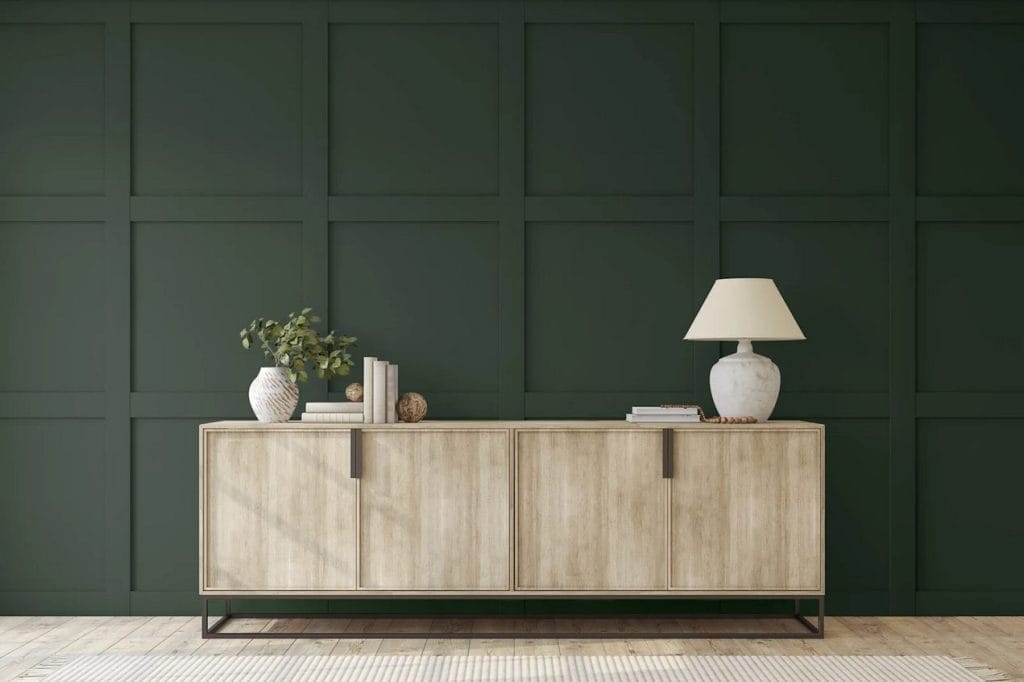
Canadian paint maker BeautiTone has also gone green, pulling from global trends, Canadian experts and “even the collective mood of the world” in choosing Muse (TR26-4-3), “a deep, moody green, steeped in the artistry of the classic painters, providing darkness with earthy depth, a place where mystery and light converge,” the brand’s owner, Home Hardware, says on its website. “This shade anchors spaces with introspective elegance, a tone that grounds and deepens the world around it.”
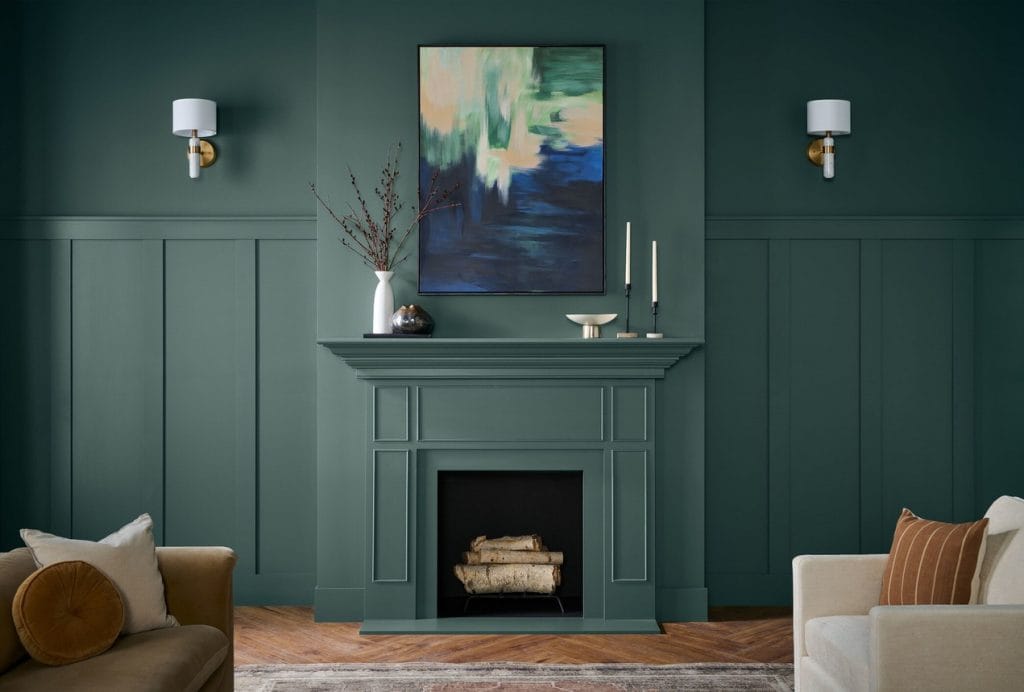
And another big brand, Behr, chose a smoky jade shade called Hidden Gem (N430-6A), a blend of blue and green that is a “rich, dynamic color (that) creates spaces that feel both grounded and alive,” the company says on its website.
“Now more than ever, there’s a growing appetite for colors that challenge convention and bring an unexpected sense of wonder to everyday spaces,” Erika Woelfel, Behr’s vice-president of color and creative services, said in a release. “Hidden Gem captures that spirit in both name and colour — its depth and refinement meets the desire for colors that are eternally stunning and stylish.”
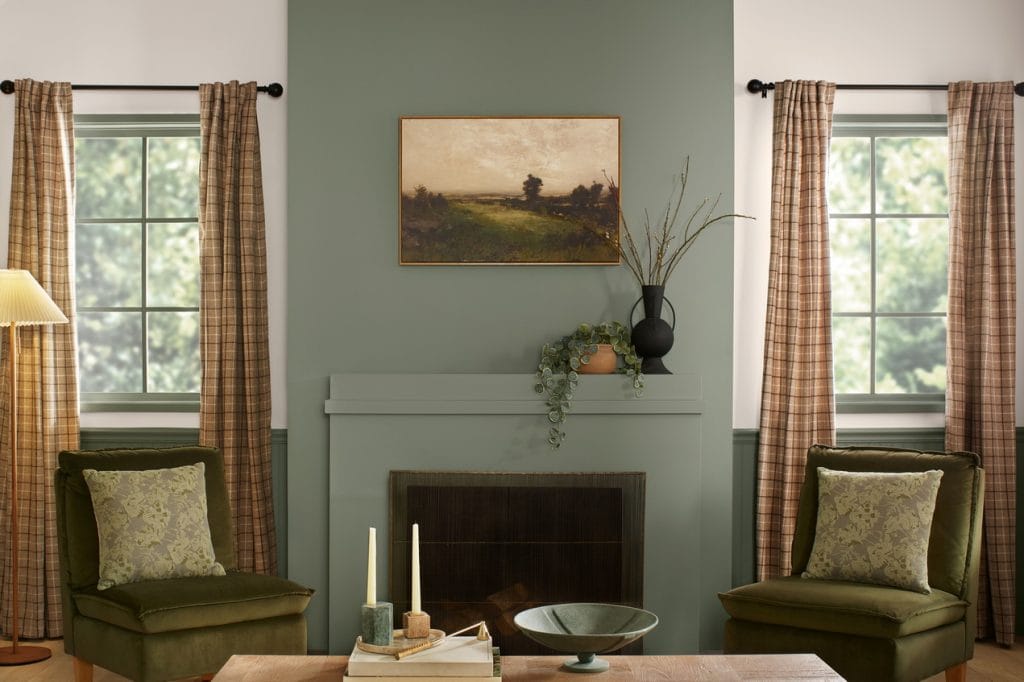
And paint maker Valspar, while going slightly lighter, also opted for a green hue, choosing Warm Eucalyptus (8004-28F), a colour it describes as naturally restorative and serene.
“Among the trend drivers that inspired this colour choice is that of mindful living — slowing down time and injecting restorative design to appreciate small moments,” the company says on its website. “Color that is restful to the eye is restful to the soul.”
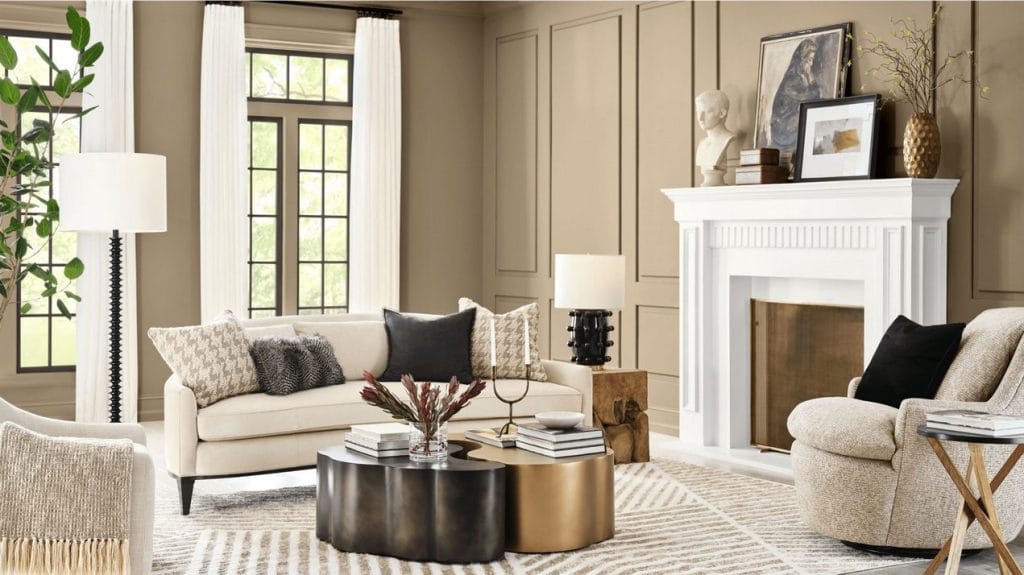
Bucking the green trend — but still opting for a shade with green undertones — Sherwin-Williams has chosen Universal Khaki (SW 6150), “an essential neutral selected by our color experts for its beautiful balance of livability and longevity,” the company says on its website.
“Universal Khaki is the easygoing neutral that makes every room feel pulled together,” says spokesperson Sue Wadden. “Its warm, earthy tone works with natural finishes, crisp whites or bold pops of color — bringing timeless style to your home.”
Note to readers: This is a corrected article. An earlier version misspelled Tami Eades’ last name.
An edited version of this article ran in the Ottawa Citizen on Jan. 10, 2026 and Jan. 17, 2026.