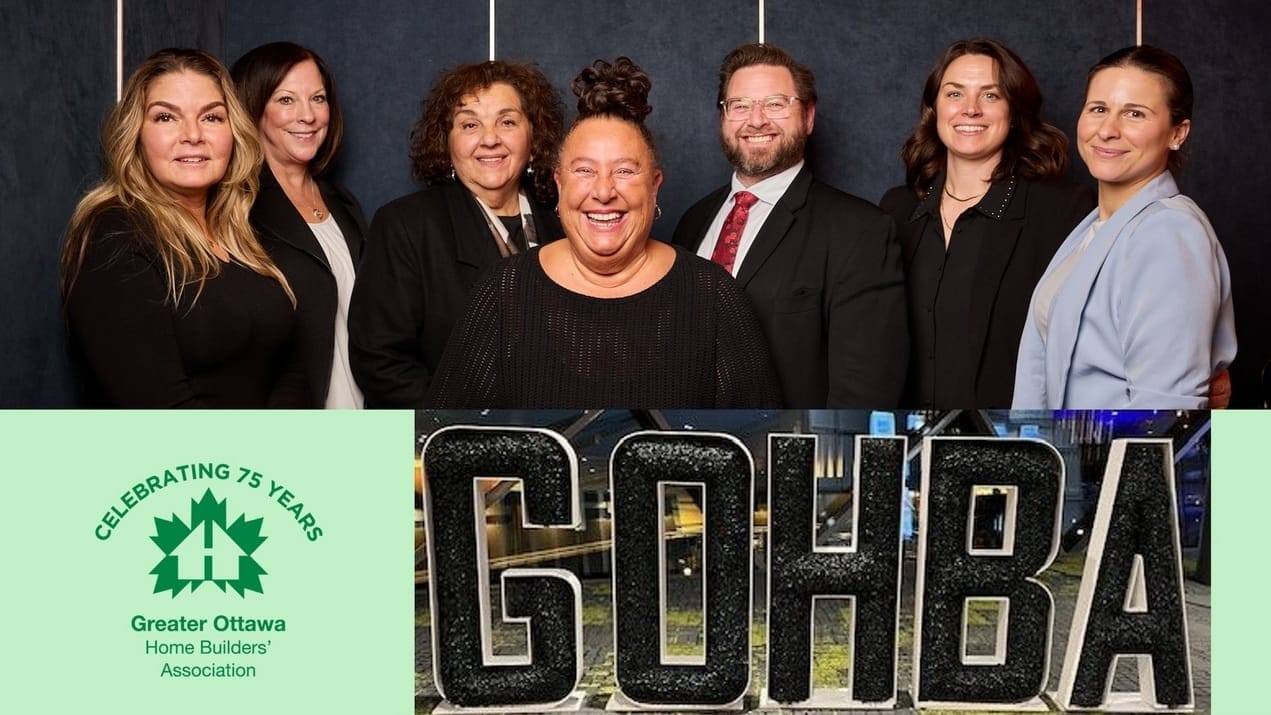
Ottawa and the housing industry have changed a lot in the past 75 years. Back in 1951, when the fledgling association that would grow into the Greater Ottawa Home Builders’ Association (GOHBA) began, we were not long past the Second World War, Queen Elizabeth had not yet ascended the British throne and the country was in the throes of a post-war housing boom.
Locally, more than 2,300 homes were estimated to have been built in 1951, according to a survey of the Dominion Bureau of Statistics — a number that has more than quadrupled today.
Through it all, the housing association has acted as the voice of and advocate for Ottawa’s new-home and renovation construction industry and, by extension, for residents in general. As GOHBA marks its 75th birthday, we took the opportunity to question executive director Jason Burggraaf on the association’s past, present and future. Here’s what he had to say.
Q: What are some of the most significant events in GOHBA’s evolution over the past 75 years?
A: The association has had a number of name changes over the years, but obviously its creation in 1951 is the most monumental event as it was a recognition that firms working in the local residential construction industry had mutual interests and there was — and is — a value to coming together as a community and working on issues as a collective.
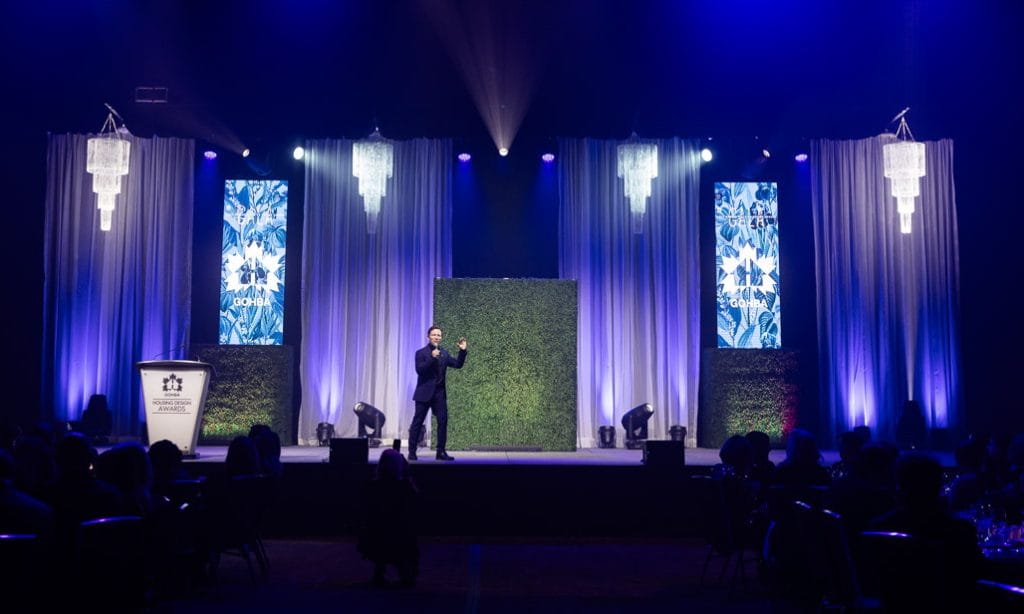
Then I think about the establishment of what are the “institutions” within GOHBA, and that starts with the Housing Design Awards in 1983. The gala has grown to be one of the largest in town and has truly become one of Ottawa’s premier events.
MORE: Check out the 2025 Housing Design Awards winners
One of the things that makes Ottawa distinct is having a dedicated Renovators’ Council that’s been around for over 30 years, and following that with the first issue of Ottawa Renovates magazine in 2009 and then RenoTour in 2015. Ottawa has the second largest group of member renovators in the province and one of the most sophisticated councils across the country in terms of its scope of work and level of activity.
And, of course, I have to highlight our Builder Developer Council and Urban Infill Council, which are our central forums for policy development and advocacy efforts.
The Builder Developer Council has also been in existence for well over 30 years (nobody around today can quite remember when it started!) and really shows the collaborative nature of our members. Every month, firms that represent the vast majority of all the housing activity in Ottawa meet to discuss what’s happening, what the issues are and how changes to policies and regulations can translate into greater housing affordability and more supply.
It’s funny to think of the Urban Infill Council as “the baby,” but it only came into existence in 2015 as a recognition that there was so much going on in regards to intensification across the city. That agenda is so robust and we have so many experts that exclusively build in the inner core of the city that the Urban Infill Council gives them the attention and resources they deserve.
Finally, I think that new initiatives like HOWL (Home Builders of Ottawa Women Leaders), which started in 2023, really reflect an evolving membership for the association and how we’re changing our social/networking events to meet what people are looking for.
Q: GOHBA has always been an advocate for housing in Ottawa, but over the past few years it feels like there’s been a real push to set/influence the city’s direction in housing and the tone of municipal housing policy. What has that meant for homebuyers and owners? Can you provide a couple of concrete examples?
A: Even before I started in 2018 there was a conscious effort to not just be reactionary, but to be involved in the discussions as policies that affect housing are being conceived, established and implemented.
So, for instance, we come with our own independent research on population growth and the subsequent demand for different types of housing. We know there’s going to be a discussion in the public about zoning permissions, or urban boundary expansions, and we don’t shy away from those. In fact, we want to lead that discussion.
GOHBA had an extremely active role in the development of the new zoning bylaw, including:
- the elimination of most minimum parking requirements
- greater flexibility for front-yard parking
- the removal of the streetscape character analysis for infill projects
- more reasonable transitions for high-rise buildings
- and standardized height limits that support three-storey homes in neighbourhood zones.
All of these changes allow for different types of housing in established neighbourhoods and more people to live in the part of town they desire to be in.
Q: What is GOHBA’s value to homeowners and homebuyers?
A: We are the voice of future homebuyers — not only those looking to buy in say the next year or so, but those who are five, 10 years out or longer; those who aren’t even contemplating it yet but will need housing options in the future. That’s why we emphasize that the decisions we make today will affect the housing choices residents of Ottawa will have 10, 20 years from now.
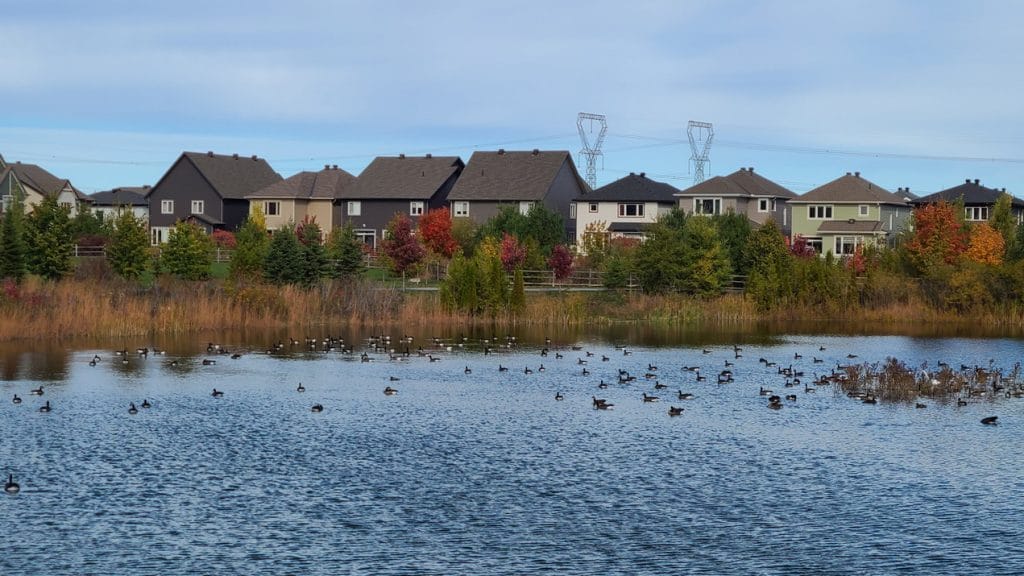
The house I live in now is 30 years old. That means the city and the builder agreed to build on that plot of land a number of years before that. And then even before that — likely 10 years or more — there was agreement that there would be a community there at all.
Similarly for homeowners, we’re ensuring that they have options for the next home they are going to occupy, whether they are moving up or downsizing, whether they move to a different part of town for a different lifestyle, or if they want to stay in their neighbourhood but their current home doesn’t quite meet their needs or situation anymore.
Q: Despite efforts by multiple parties, there continues to be a housing crisis in Ottawa. What are the most pressing things that still need to be done by the housing industry and government to overcome that crisis?
A: The biggest thing everyone needs to do right now is keep the faith. It took years to get ourselves into the situation we are right now. Policy and regulatory changes take a long time to work through the system — even changes to taxes and fees can take a long time. And those changes need to coincide with consumer confidence and public sentiment that it’s a good (and more importantly safe) time to make such a large purchase.
When there’s so much economic uncertainty, you can change a number of things but it doesn’t necessarily bring people back to the sales offices right away. It will take time. And that doesn’t mean it’s not worth making the changes. A slow time in the market is the perfect time to tweak processes and streamline things, so when things do pick up, we’ll be able to ramp up building much more effectively and more affordably.
We’ve already seen governments implement many of the right changes. On the municipal side, there is:
- modernizing Ottawa’s zoning bylaw
- removing unnecessary technical studies from the application process
- expanded exemptions from site plan control
- more streamlined legal agreements
- and a reduction on community benefits charges.
Now we’re seeing Ottawa apply for funding to reduce development charges by 54 per cent for three years, on top of the expansion of the GST/HST rebate on new homes.
These are exactly the types of reforms we’ve been advocating for, but housing is a long pipeline. It takes time for policy changes like these to translate into homes on the ground.
Q: How do GOHBA, the Ontario Home Builders’ Association and the Canadian Home Builders’ Association work together to improve housing and what are the most significant things the three, working in concert, can still do?
A: All three levels of government have considerable influence on housing — there’s a reason we say homebuilding is one of the most regulated industries in the country. And because of that, you need eyes and ears focused on what each level of government is doing on a daily basis.
Our federated model allows us to keep tabs on what’s happening at other levels and communicate how changes at one level will be felt at other levels. Good insights come from our collective network. For instance, it’s always good to know if what’s being experienced in Ottawa is happening in other municipalities across Ontario, or in similarly sized municipalities across the country.

Q: The housing crisis can feel so overwhelming with so many moving parts. How does one local association have a meaningful impact?
A: By continuously connecting the dots and being the forum for communication. We’re the convenor or orchestrator of an ecosystem that touches on things like policy, regulation, market conditions and practical building considerations. Then you layer that over a web of government, industry and community stakeholders. Being in the middle of all that allows you to have a voice and influence on the outcomes.
Q: We hear a lot of talk about the “missing middle.” What is it and what role could it play in solving the housing crisis?
A: Ostensibly, the missing middle is housing types that are denser than row homes, up to four-storey apartments buildings.
But the principle is that you’re introducing a variety of housing types in areas and neighbourhoods that were previously dominated by a specific type of house. It’s a way to have more people living in a denser fashion without having towers everywhere.
I often refer to my 93-year-old neighbour who lives alone in a house meant for a growing family. If she had housing options that would allow her to live in a smaller space, but stay in the neighbourhood that she loves, then that would free up her larger home for a family.
Q: Where does GOHBA go from here? What’s the five- or 10-year plan?
A: So, we’re actually working on a new strategic plan currently that envisions what GOHBA could look like 10 years from now, and that’ll help us understand the steps we have to take now and over the next few years to achieve that.
In addition to what we do now, we’re looking at a bigger focus on education, technology and ensuring members are prepared for changes in construction methods and building codes.
Ottawa is one of the major urban centres of the country and will have a population of over 1.5 million in about 10 years, so we feel there’s a lot of potential for growth of the association. We think we could have about 750 members and be the 3rd largest home builders’ association in the country.