
Choosing a new home is about more than comparing floor plans, finishes and neighbourhoods. The builder you choose can shape everything from what is included in the purchase price to how smoothly construction and closing unfold. Before committing, buyers should ask questions that help them understand not only what they are purchasing, but also what to expect throughout the building process and after they move in.
What is included in the price of a new home?
One of the most useful first steps is understanding exactly what comes with your home before comparing one builder’s price with another. Model homes can be a great resource, but they’re designed to show possibilities and may include upgrades or optional layouts. Buyers should ask which features are standard (meaning they come included with the base price), which are upgrades, which structural options cost extra, and whether the model home includes features that are not part of the advertised starting price.
Two similarly priced homes may include very different standard features. Builders typically refer to these as “specifications.” Prospective buyers will be better equipped to compare builders when they consider what they are actually getting for their money, rather than looking at the starting price alone.
How flexible are the floor plans and design options?
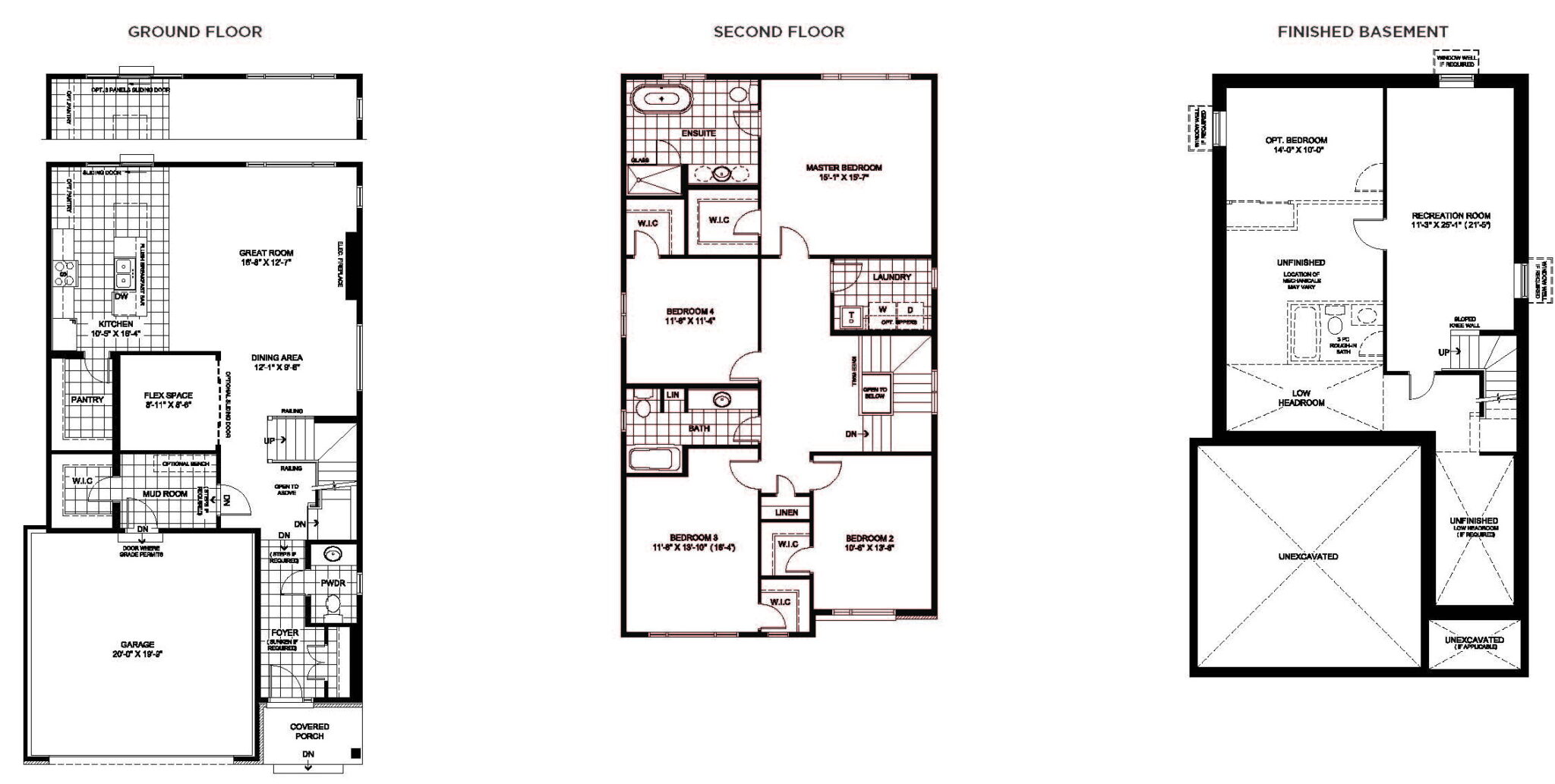
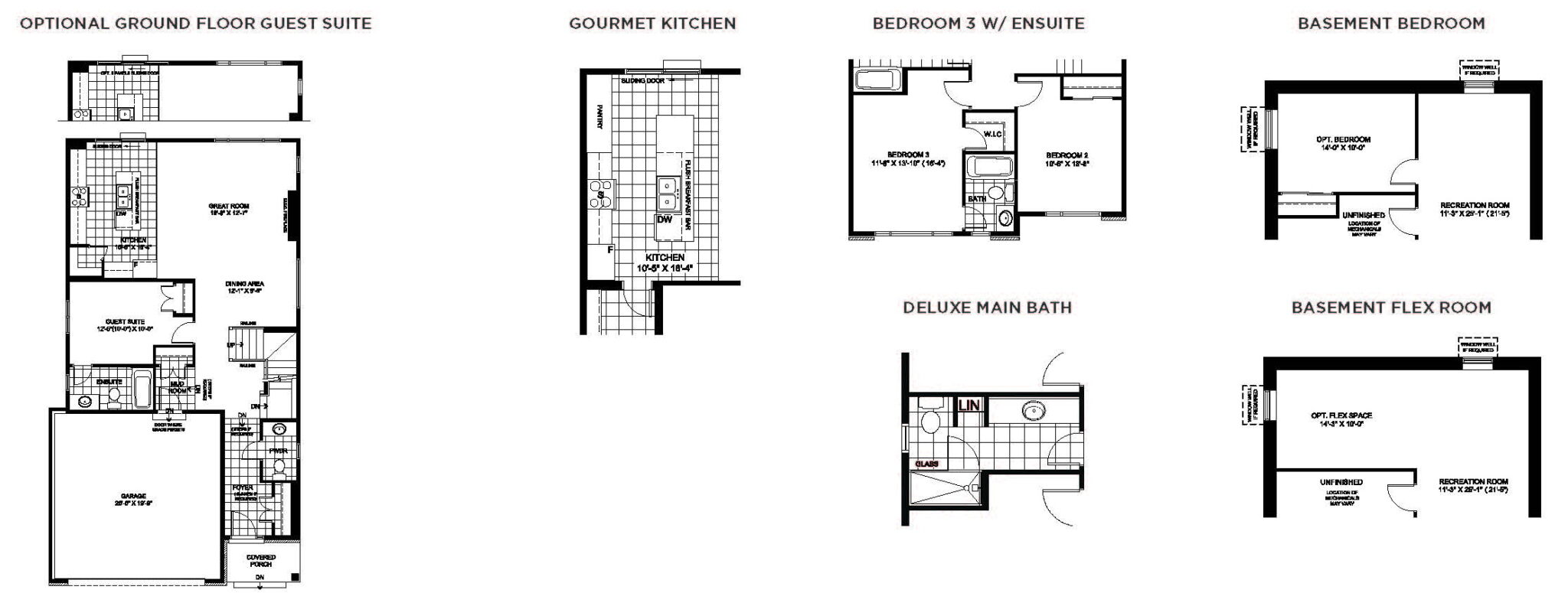
Before focusing on finishes, consider how you use your home now and how that may change. Working from home, entertaining, storage needs, children and multi-generational living can all influence which floor plan makes sense.
Structural changes can affect how the home functions and may need to be decided much earlier in the buying process. Choices like cabinetry, countertops, flooring and other finishes are generally more about personalizing the look and feel of your home rather than structural design decisions. Ask your builder when structural choices and design selections must be finalized. Knowing this process up front can help you avoid assumptions and plan your space most effectively.
Rather than assuming a new build means unlimited customization, it’s important to understand the builder’s available options and limitations before committing to a particular model. Don’t only consider what works today but what may work several years from now.
What should buyers know about construction?
Building a home is a process, not a single completion date. You can expect a few major stages between signing and possession, along with a period after move-in when warranty items are addressed.
- Pre-construction and permitting: Before work begins on site, plans are finalized, permits and approvals are secured, and the home is prepared for construction.
- Foundation: Excavation begins, followed by footings, foundation walls, and other groundwork to establish the home’s base.
- Framing: The home starts to take shape as floors, walls and the roof structure take form. This makes the layout much easier to visualize.
- Mechanical rough-ins: Plumbing, electrical and HVAC systems are installed within the walls ahead of insulation and drywall.
- Interior and exterior finishes: Cabinetry, flooring, countertops, fixtures, paint and exterior details are added as the home nears completion.
- Final inspections: Required inspections are completed, and buyers participate in a pre-delivery inspection to learn about their new home and identify items that may need attention.
- Possession: Once construction is complete and the necessary requirements are met, buyers can complete the closing process and prepare to move into their new home.
- Warranty: Coverage begins on the date of possession and continues in stages, with shorter terms for finishes and longer terms for major structural items. Homeowners report items within set windows, and the builder arranges repairs.
A new home is a manmade product, and it is normal to notice some deficiencies after taking possession. Items like paint touch-ups, hardware adjustments, or minor drywall cracks from settling are a routine part of a new build. The best way to prepare is to understand the warranty that comes with your home and the process for submitting items for repair.
In Ontario, new homes are covered by a mandatory warranty administered by Tarion, which outlines what is covered, timelines for reporting items and the forms buyers submit at each stage. Ask your builder who handles warranty requests, how items are submitted and what response times look like.
How can you tell if a builder is the right fit?
Choosing a builder shouldn’t come down to one feature, floor plan or price point. How well does the entire offering meet your priorities?
Take the time to look at what the builder has already delivered. A pre-construction home can take nine to 12 months or longer to build, so it is also worth asking how a builder keeps buyers informed during that time.
Some builders share photo updates as the home progresses, offer a pre-drywall walk-through at the framing stage or host events where buyers can meet the sales, construction and warranty teams and ask questions in person. The experience is just as important as the home itself. Clear answers, realistic expectations and consistent communication during the sales process help set expectations for the future.
Ultimately, the right builder is one whose homes, process and level of support align with what matters most to you. Asking the right questions up front can help you move forward with greater clarity and confidence in your decision.

