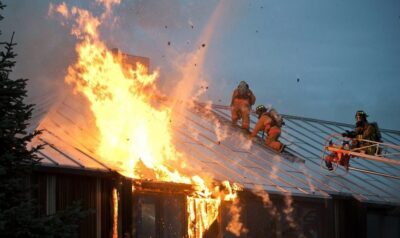
Looking back to last October, Ashley Tremblay thinks it was the sound of fire breaking the windows that woke her. It was 2:30 a.m., and what she heard sounded like someone in her house. Disoriented, she stumbled out of bed and into the hallway. Glancing towards her father’s open bedroom door — he was out of town — she saw orange behind the window blind.
Still confused, she went back to her room and sat on the bed. That’s when the smoke detector went off, waking her 11-year-old son, Jax.
“Is there a fire?” he cried out. The question jolted Ashley into action. Grabbing both their phones — the only personal possessions that were handy — Ashley let Jax lead the way down the stairs to the ground floor. He started to turn right to head to the kitchen, towards the door they always used, then stopped suddenly, seeing smoke.
“No, no, no,” he said, turning instead toward the front of the home and the living room. Ashley didn’t even look to see what had stopped him. At that point, she didn’t smell smoke.
The front door was blocked by couches and a side table. It was a wonky door that often stuck, so they never used it. As they pulled furniture out of the way, they could hear two passers-by banging on the door and shouting. With their help, they pried the door open, made their way to the sidewalk amid the sound of crackling and turned around, finally seeing the extent of the danger.
◊◊◊
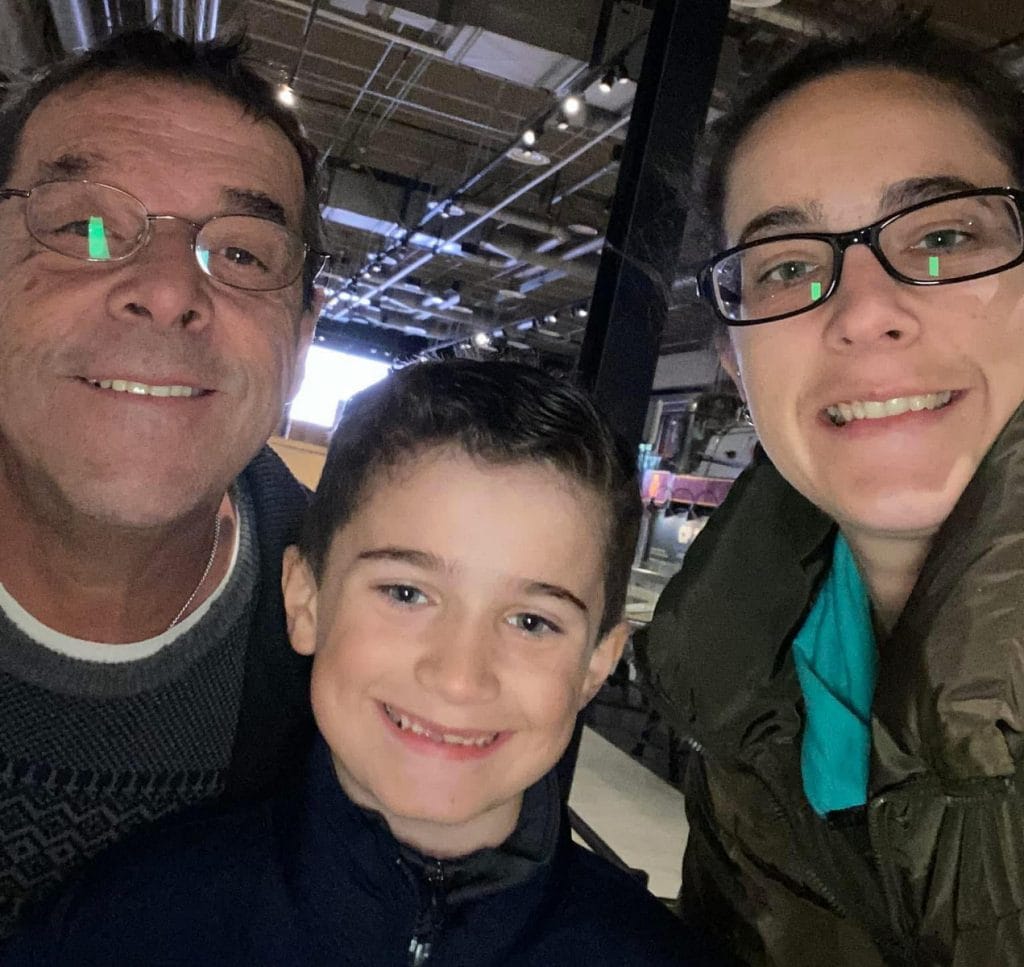
Ashley, a 42-year-old nurse and single mother who had long struggled to support herself and her son, had finally become a homeowner just three months before. The Ottawa native, now living west of the city in Arnprior to be closer to her mother and her sister’s family, had long dreamed of homeownership but wasn’t sure it would ever happen. With the help of her father, Clarence (Shorty) Tremblay, who lives with her when he’s not at his cottage in Quebec, and a good job doing home visits for Paramed Renfrew Home Health Care, she was finally able to realize that dream.
The home she bought was a circa-1940s two-storey clapboard with a one-storey addition on the rear and a garage. Although some features were a bit dated and it had just one bathroom, it was in good shape, offered the three bedrooms they needed, had an ample yard and came with plenty of living space. After years of cramped basement apartments, it was heaven.
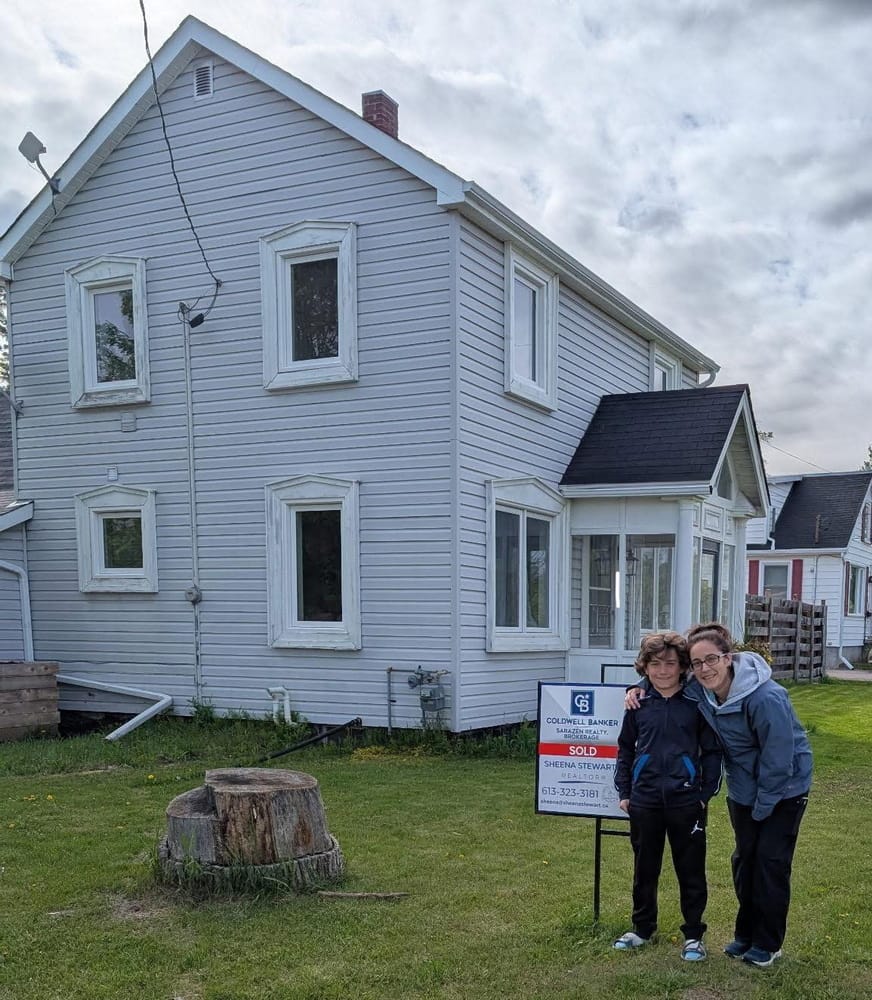
They moved in at the end of June 2025, just as school was ending, and set about making it home. Many of their moving boxes had not yet been unpacked, with several stored in the partial basement, which would later be flooded with more than four feet of water from the fire hoses. Many of her friends had still not seen the home, including me.
Full disclosure: Ashley is a close family friend, someone I refer to as my “adopted” daughter.
◊◊◊
The fire had not yet entered the house as Ashley and Jax were fleeing. But by the time they made it outside, the whole side of it was engulfed, creating so much heat that they had to retreat further, across the street. A minute or two later, a notification pinged on her phone. It was her smart thermostat telling her the temperature in the house was 38 degrees and to check her system.
“I said to myself, ‘well, no s**t, Sherlock, my house is on fire but thanks for telling me.’ And that’s just kind of how we’ve dealt with the situation, just having a weird sense of humour about it.” She pauses, then adds: “Don’t get me wrong, it sucks.”
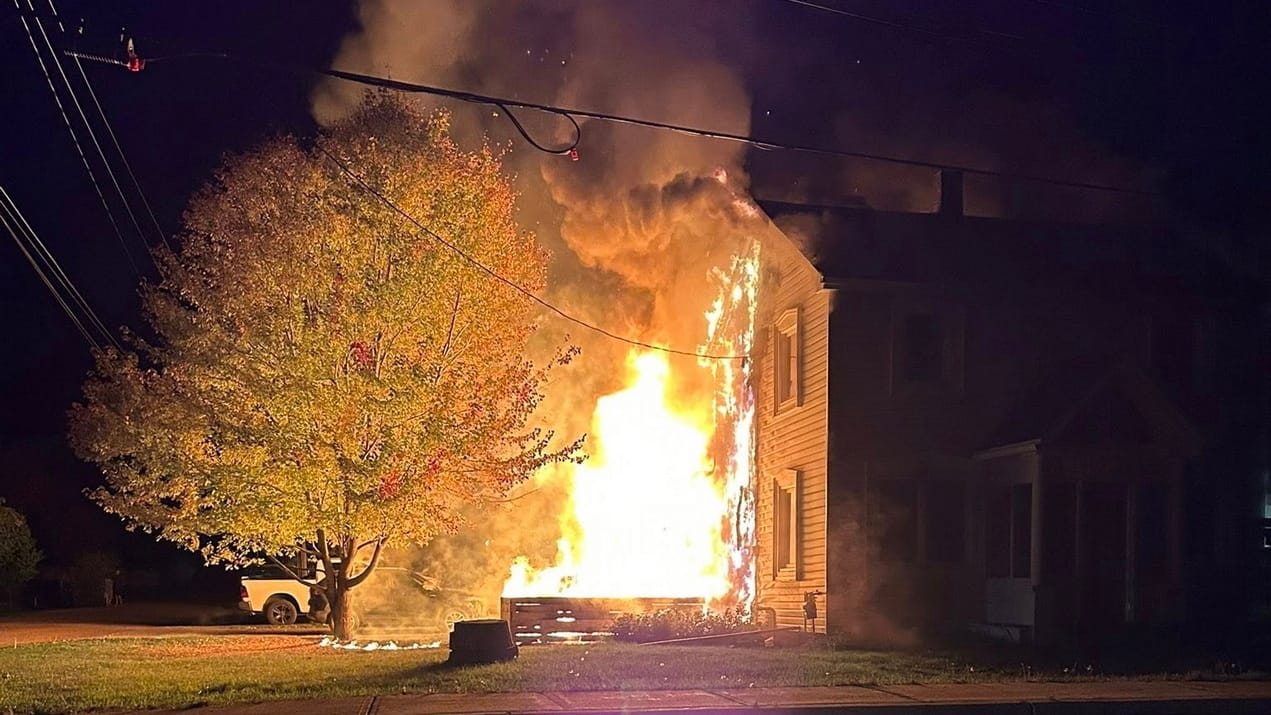
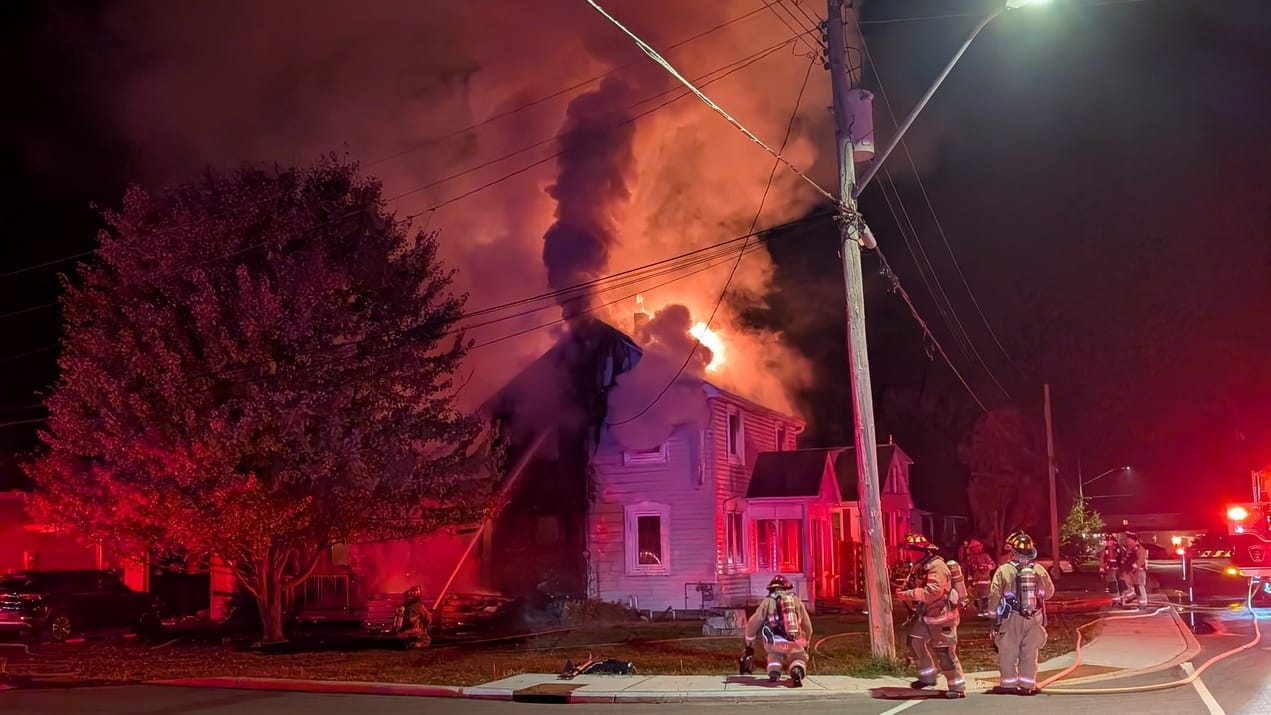
It took 21 firefighters about eight hours to put out the fire. It’s believed to have started in the corner of the house where the enclosed porch meets the original two-storey home, right under Shorty’s bedroom. The cause is undetermined.
Ashley is thankful her father was away at the time. She’s not sure he would have made it out. And despite the devasting loss, she’s also immensely grateful that no one was hurt. Still, they lost virtually everything and have spent the past four months slowly rebuilding their lives.
◊◊◊
“It’s heartbreaking,” says her mother, Denice Tremblay, who is nevertheless grateful they are safe. Asked how they’ve handled it, she notes: “I think they’ve done really well.”
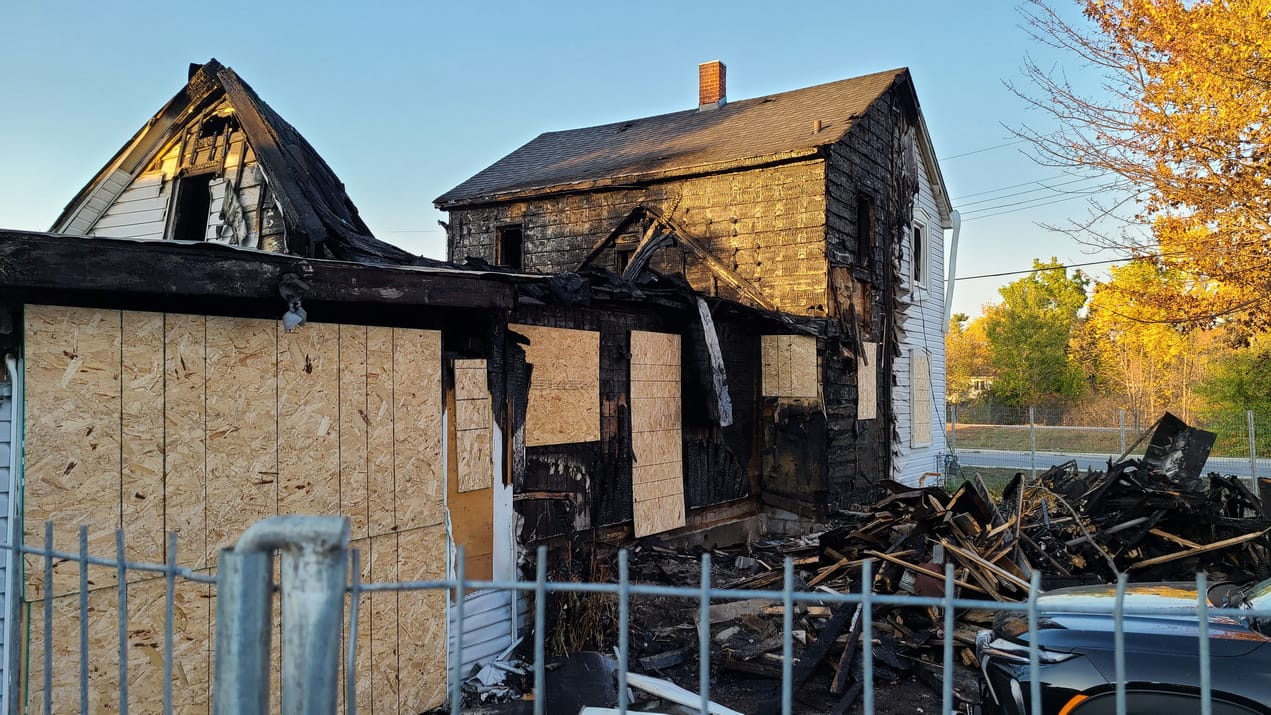
The first week after the fire was probably the hardest. It happened on Friday, Oct. 3 (ironically just two days before Fire Prevention Week), meaning Ashley had to go into the weekend with no wallet, no ID, no way to access her bank accounts and no possessions except her phone. Even her car was damaged beyond repair. In a Facebook post a week later, Ashley shared a video showing the damage to the main floor, taken from the front door, which was as far as she was allowed to enter:
“When we were sitting on the curb, as the firefighters and everybody were starting to show up, I said to Jax, ‘You know, we’re going to figure this out,’” she remembers.
Family was a huge help, with her mother and her sister, Kristin Ruest, offering shelter and help. The community also jumped into action. The local Lions Club provided emergency cash; the Red Cross was in touch; family, friends and even strangers offered money, clothes and household items, which were stored at her sister’s home while Ashley looked for a temporary home. The president of the minor hockey association insisted on taking Jax into Kanata the afternoon after the fire for new hockey gear so that he could attend evaluation sessions (called sort-outs) the following day. It also helped that her insurance company almost immediately advanced several thousand dollars to help with initial expenses.
“We’re very much givers and donators. So, to be on the receiving end of it was tough, but it was made easy by the fact that I had absolutely no choice,” she says. “I’m still trying to wrap my head around how do I thank people for it.”
Just tending to the basics, like clothes to wear, daily toiletries, getting ID, as well as stickhandling the many calls that needed to be made to her boss, insurance, the mortgage company, utilities, filling in friends and family — was overwhelming.
“That initial trip to Walmart was pretty brutal,” she says. But she tackled it with the methodical practicality she has always applied as a nurse. “I’m very organised and (have) attention to detail.”
And Jax, she says, has been a trooper through it all, dealing with the trauma and understanding that there has to be a priority to replacing lost things.
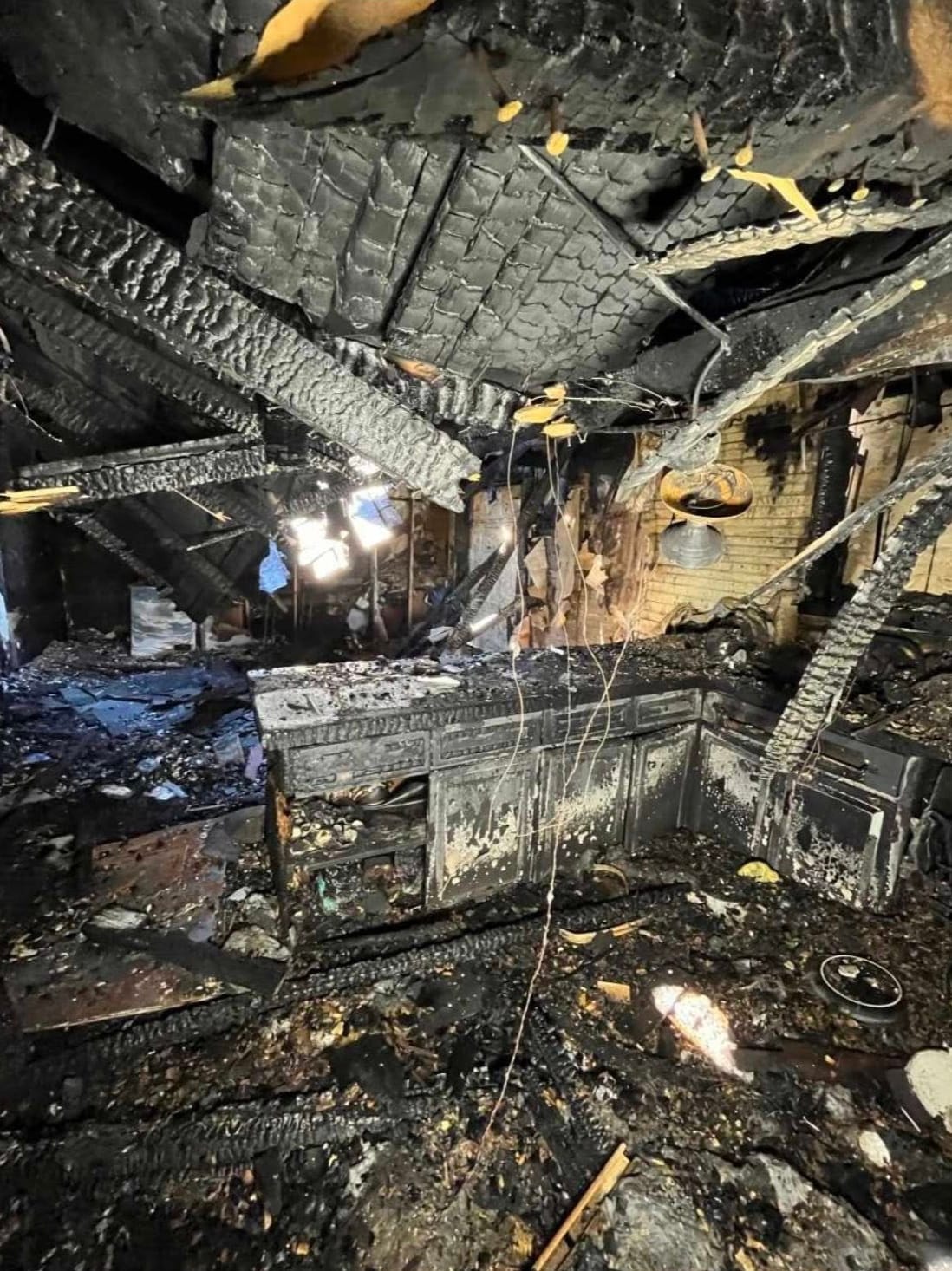
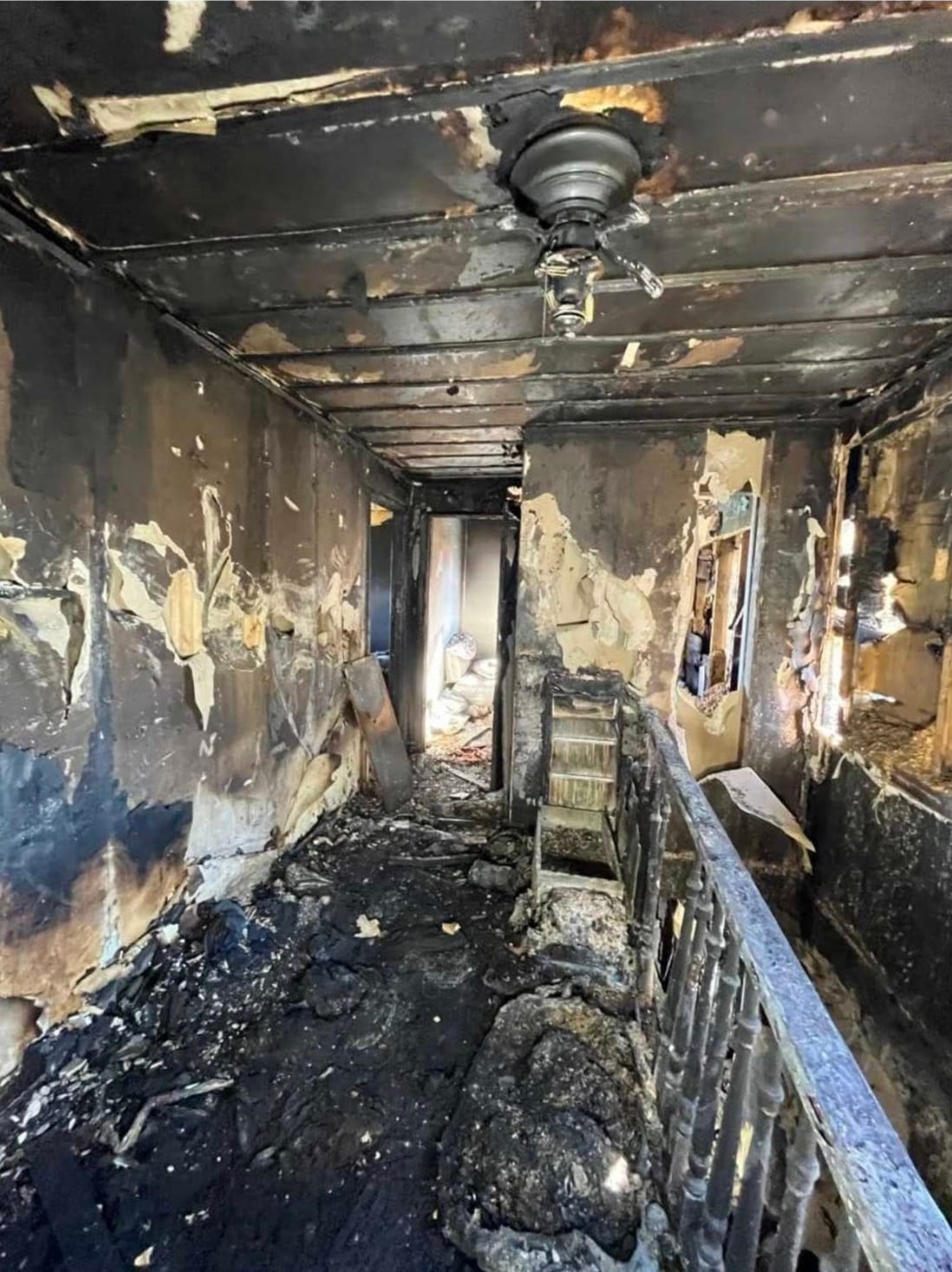
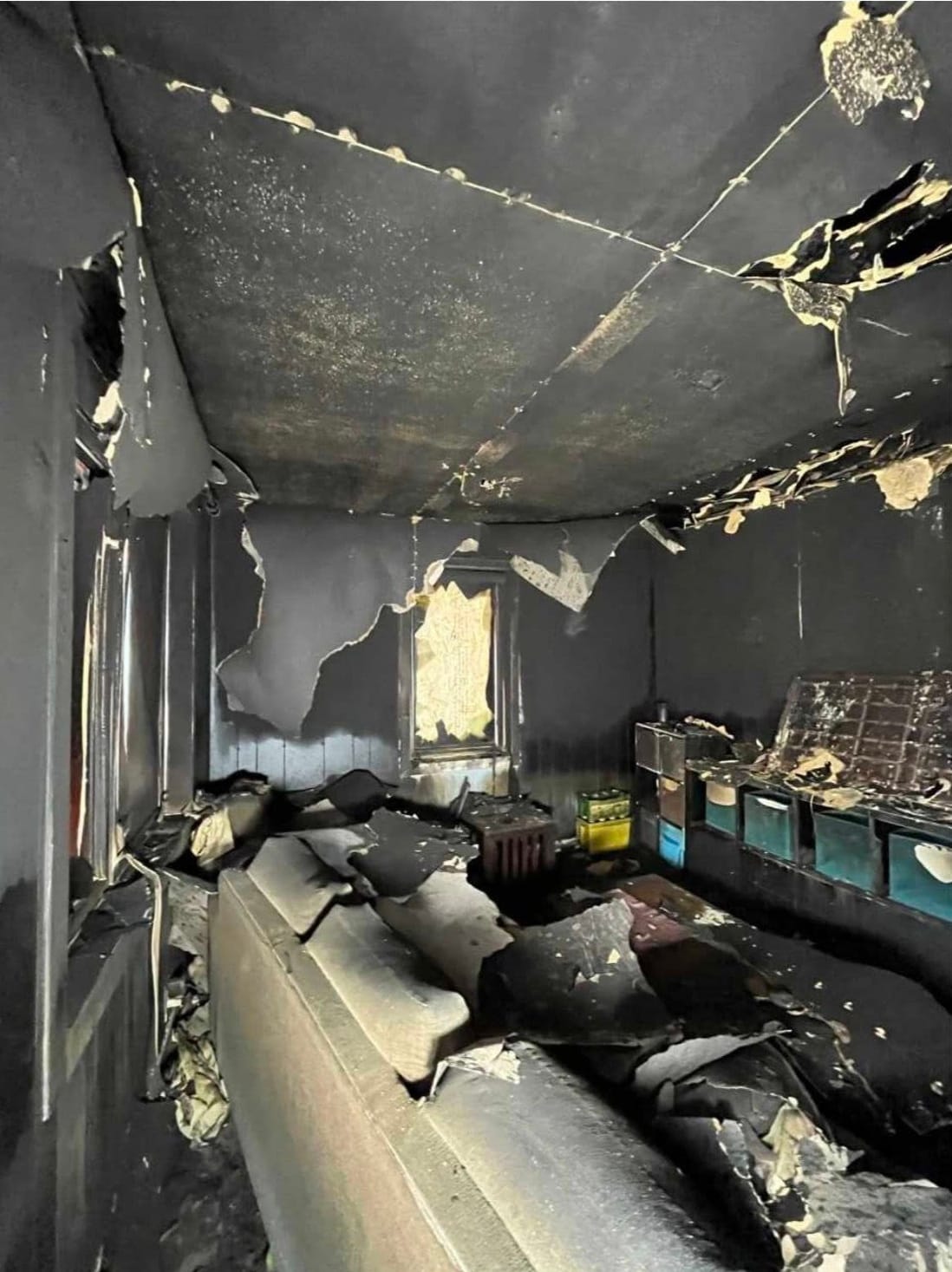
Precious few things were recovered from the fire, some quite unexpected: a couple of personal safes, a cash box with the money raised at a fundraising golf tournament Ashley had organized in memory of her young nephew, who died when he was three from a rare neurological disorder, Jax’s sports medals, an external hard drive containing a life’s worth of photos. But so much more was lost to damage from either fire, smoke, water or asbestos.
Ashley admits the experience has been like going through the stages of grief and, yes, there was a period when she was very angry. Still, she remains philosophical.
“Over those first few days, both of us were kind of going through our minds the extent of the loss, the extent of the items that we no longer have, knowing that some of it can be replaced, most of it cannot. It sucks, but it is what it is … Our heartstrings got hurt real bad. But, at the end of the day, it’ll work itself out.”
Ashley’s sister, Kris, says the experience “has been very eye opening for all of us. We were forced to see the importance of our belongings but also count our blessings that things are things and a life is what matters.
“All three of them walked out of this completely safe. It will take time for them to heal from the trauma, but they are here with us still and that’s all I can focus on.”
◊◊◊
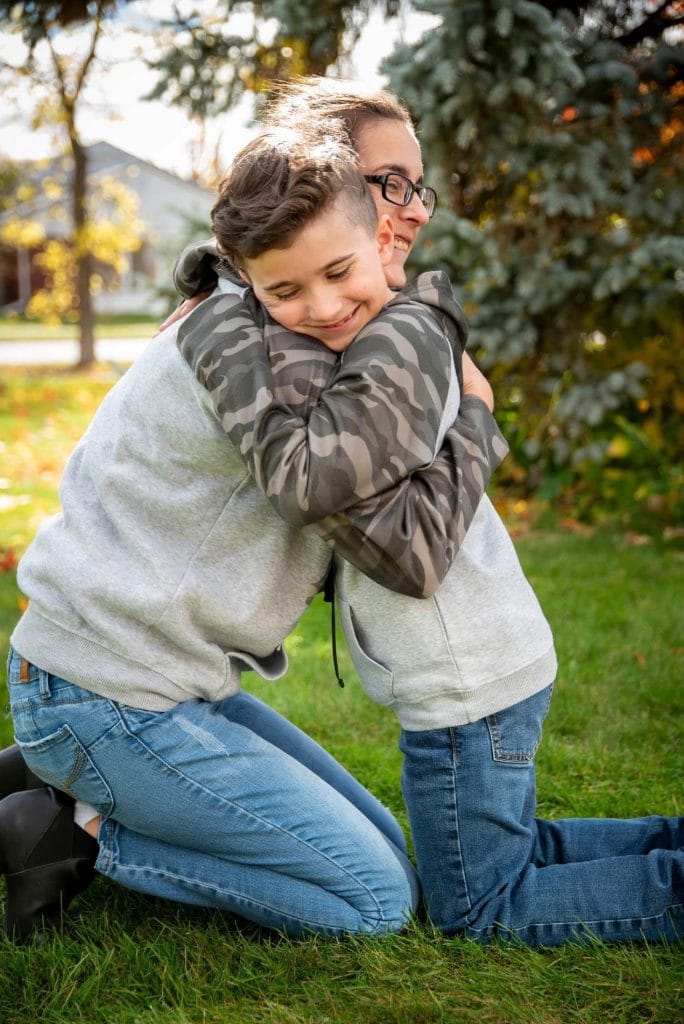
Four months after the fire, Ashley, Jax and Shorty have found a temporary home at a new apartment building in Arnprior and a certain amount of normalcy has returned to their lives. There are no pictures or artwork on the walls, but they have the basics that they need to see them through.
Ashley doesn’t go to the property — dubbed “the graveyard” by her mother — much anymore. “There were moments that first week, and even on my days off since, I would just go there and park the car and take a walk around and take a look.” But not so much since the snow has come.
It’s still a long road ahead and she admits dealing with an insurance company is not fun. Following a two-month delay, her home was finally torn down in February. A company has been chosen to build the replacement home, Bachly Construction — coincidentally a key employee used to work with her sister, which she finds reassuring — and they hope to start in the spring.
Ashley has decided she wants the new home to be a bungalow with a full basement, so the contractor is using the winter downtime to create an alternate floor plan that will stay within the budget the insurance company has set for the build.
◊◊◊
It’s hard to imagine what it must be like to go through something like this. Home is where most of us feel the safest. Roughly one in 1,000 people will experience a house fire, says the U.S. National Fire Protection Association. In 2024 (the most recent year for which statistics are available), the Ottawa Fire Services responded to 447 residential fires. In Arnprior, where this fire occurred, there was one other structure fire in 2025, according to the Arnprior Fire Department.
Having had someone so close to me affected, I find myself often trying to put myself in her shoes. What would it be like to lose everything I owned? Would I be able to act as rationally as she and Jax did if I were woken in the middle of the night and had to flee? Am I prepared? Is my home?
In the wake of Ashley’s house fire, she says, “Some people have said, ‘I think twice about what I wear to bed. I make sure that I have my phone and my keys and my wallet beside my bed at night.’”
She offers the following advice to others:
- Store anything that’s important to you — papers, documents, money — in a safe that is both heat and water resistant. Even better, have an off-site location for important papers, like a safety deposit box or give copies to a family member.
- If you are the victim of a house fire, “every single cotton-pickin’ item in that house (is) going to have to be accounted for” for insurance, she says. In her case, many of the items were second-hand, making it difficult to determine things like brands and cost. Having a home inventory helps.
- When dealing with the insurance company, make sure everything is in writing. “Limit your voice-to-voice, because that is not documented.”
MORE: Other tips to keep you and your family safe from fire
Ultimately, Ashley says, “you could do all of the things right, but you never know… 90 per cent of it is chance. You’re going to get dealt the cards you’re going get dealt.”
A GoFundMe campaign has been set up to help Ashley, Jax and Shorty get back on their feet. To contribute, visit bit.ly/TremblayFund.
An edited version of this article ran in the Ottawa Citizen Feb. 28, 2026.