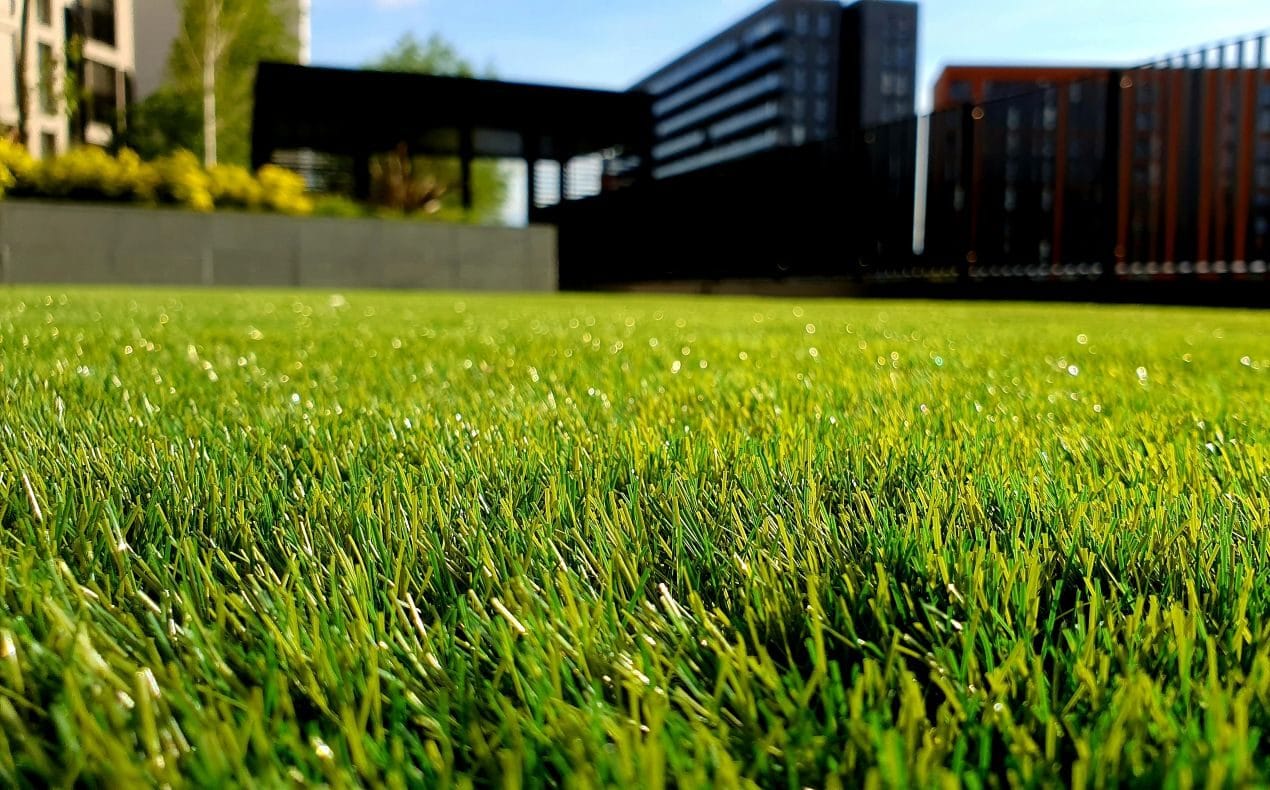
Summer is when lawns come into their own, bringing lush green to our front and backyards. But summertime can also throw droughts, destructive insects and other challenges at our lawns, leaving them tired and struggling to look their best.
What do the pros suggest when it comes to effective lawn care? We asked Thom Bourne, owner of Ottawa’s multi-service Nutri-Lawn for more than 36 years, for his advice.
Edited for length and clarity.
What length should I cut my grass?
The length of the grass blade is also the length of the roots. The ideal length is 2.5 to three inches. Longer grass holds moisture, shades the soil and helps crowd out weeds. Think lush lawn, not putting green. Never remove more than one-third of the grass blade in a single cut.
Tip: Keep your lawn mower blade sharp. Dull blades will shred the grass blades, allowing for disease to enter and giving a ragged, brown look.
What’s the best time of day to water my lawn and how much water is enough?
Water your lawn early in the morning. The water has time to soak into the soil before the heat causes evaporation and the grass will not stay wet overnight, which can encourage disease. Apply about one inch of water every five to seven days.
Tip: Place an empty tuna can on the lawn while watering. When the can is full, turn off the faucet; your lawn has had enough to drink. Time how long it takes so you know for next time.
What can I do to protect my lawn during a drought?
During a drought, keep your grass 2.5 to three inches high and avoid mowing during the hottest part of the day. If you do have to mow your lawn during the day, get a heavy watering on the turf right away.
Water deeply in the early morning rather than giving the lawn frequent, light sprinkles. During extreme heat or dry conditions, aim for about one inch of water every three days. A little patience also helps. Grass may turn brown and dormant, but it is often protecting itself, not dying.
What should I do if my lawn does turn brown in mid-summer?
Don’t panic. Your lawn may be dormant, not dead. In most cases, once cooler temperatures and regular moisture return, healthy turf will often green up again, especially if you’ve kept up your watering and avoided cutting during extreme heat.
In extended periods of heat and drought stress, there is a process called “root shedding,” whereby the grass plants will “shed” some of its roots to preserve energy in order to survive the stressful conditions. In this case, you may see thinning of the grass. Fall overseeding can introduce new grass to the existing turf.
Which lawn insects should I watch for during the summer months?
Chinch bugs are one to watch for. The surface-feeding insects feed on the crowns of the grass. If you see patches of brownish turf and you are cutting and watering per our recommendations, please call our office, and we will be pleased to help you diagnose the problem. Chinch bug control applications are designed to target and reduce chinch bugs before they cause extensive damage.
White grubs are another summertime pest and can result in extensive turf loss and costly repairs. White grubs live in the soil and feed on the roots of the grass plant, causing death or intense stress that creates noticeable turf wilting. The damaging life stage of the white grub life cycle is during its larval stage, when it actively feeds on the roots, and control applications are timed during the grub’s most vulnerable life stage to ensure effective management.
Should I add clover to my grass seed or spread it on an existing lawn?
This is a tough one. Clover lawns are subjective. It all comes down to the question, what is your turf intended for? Clover can work well in low-traffic areas where you want a softer, more natural lawn that supports pollinators. For active family lawns, sports areas or properties where a uniform green appearance matters, traditional turfgrass is usually the better choice. Clover can be mixed into new seed or added to an existing lawn but, remember, once it moves in, it likes to stay.
What’s the best fertilizer for lawns?
One of the single most important things you can do for your lawn is to provide it with the essential nutrients it needs to grow and stay healthy all season long. Fertilizer technology is constantly evolving, but we suggest one of the newer polymer-coated fertilizers, which release nutrients for 120-150 days, if you want to fertilize only in the spring and fall. If you use a traditional fertilizer, you’ll need to apply it every four to six weeks.
Remember, if lawns are going through heat or drought stress, we do not want to apply fertilizers to the turf and add more stressors to the grass plants. Fertilizing stressed turf can have negative effects like increasing the risk of fertilizer burn and putting more pressure on weakened roots. Wait until temperatures moderate and the lawn has received enough water to begin actively growing again before you start re-applying fertilizer.