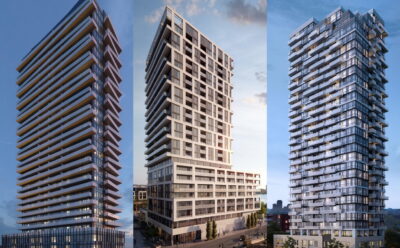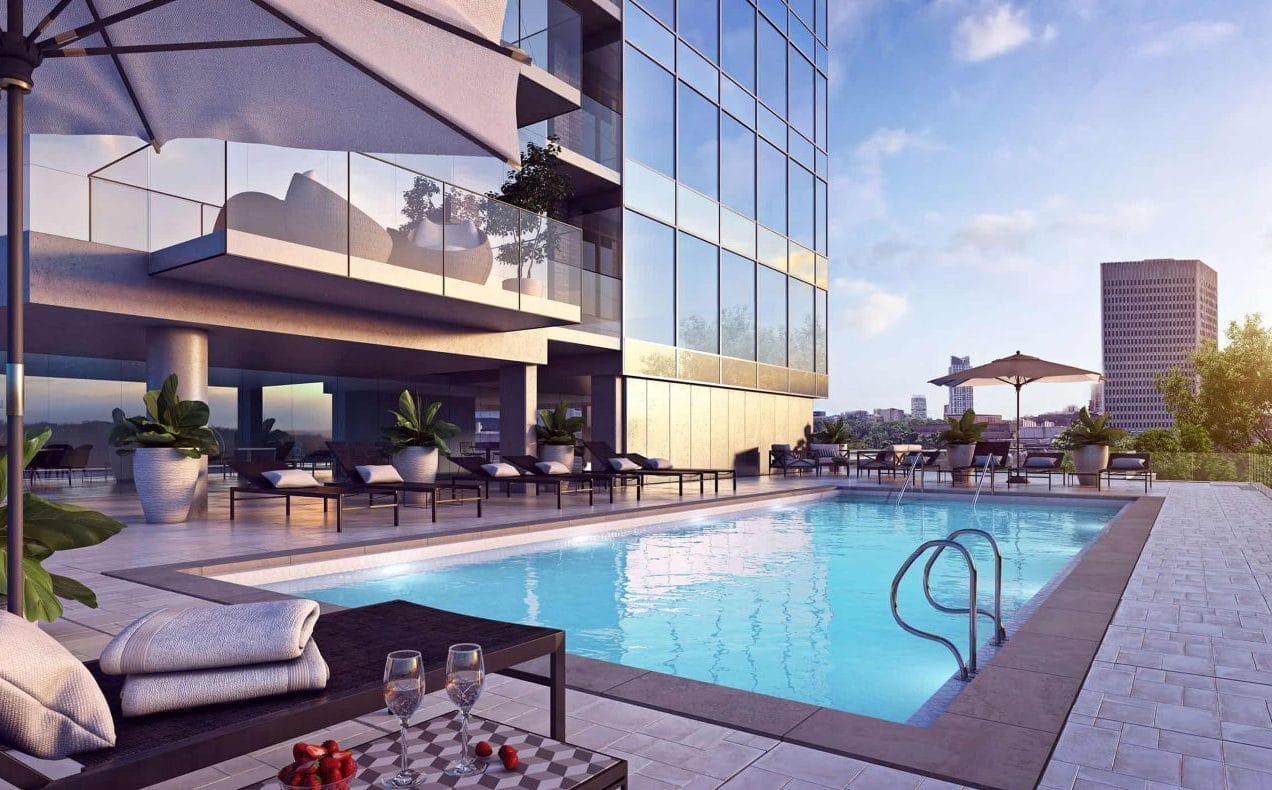


On the top floor of The Dale rental building, residents gather around a fire pit overlooking Ottawa’s skyline. A few floors below, someone books a yoga studio through a building app. Downstairs, a tenant hoses off their dog at a pet-washing station after a winter walk.
Back in the day, the highlight of most rental buildings was a coin-operated washer and dryer in a dingy basement. Today, Ottawa’s purpose-built rental towers look more like lifestyle resorts than simple housing blocks, and developers say that’s no accident.
Shawn Bellman, marketing manager for Richcraft, says that’s intentional.
“Our goal is to create a complete living experience,” he says. “Modern renters value lifestyle, connection and convenience, and we want every moment, from move-in day to everyday living, to feel effortless.”
With a wave of new purpose‑built rentals and condo units continuing to come on stream, and some forecasts suggesting a loosening of rental demand as supply grows, developers are doubling down on high‑end amenities to make their buildings stand out and keep tenants engaged. From rooftop lounges to co-working hubs, these shared spaces are reshaping what it means to rent, raising questions about community, competition and cost.
How did apartment living evolve from basic necessity to curated lifestyle experience? And why are builders spending millions on “razzle-dazzle” features when vacancy rates remain tight?

Brief history of apartment living
Apartment buildings are hardly new. Multi-storey housing, known as insulae, existed in ancient Rome, with residents sharing stairwells and courtyards and the focus on practicality rather than comfort or status.
Throughout most of the 20th century, North American apartments offered modest shared features. Higher-end buildings might include a doorman or elevator, but most rental buildings focused on necessity.
Until the 1990s, amenities in Canadian rental towers were typically limited to surface parking, a party room and occasionally a rentable guest suite. For many tenants, the only shared space was an often-dimly lit, noisy and cramped basement laundry room, where fluorescent lights buzzed overhead and quarters were fed into clattering metal machines.
The idea of renting as a lifestyle choice, rather than (for many) a steppingstone to homeownership, had not yet taken hold.

The condo effect: A turning point
The shift began during the condominium boom of the late 1990s and 2000s. Condo developers competed aggressively for buyers, adding luxuries such as pools, fitness centres, rooftop terraces and theatres.
When the condo market cooled around 2015 due in large part to overbuilding and rental demand increased, some developers pivoted.
Jessy Desjardins, vice-president of development at Brigil, says the shift wasn’t only about supply; it was about mindset. “We’re seeing more discretionary renters,” he says. “They are not renting because they have to; it’s because they want to.”
Buildings designed with extensive amenity space were converted or redesigned as rentals. As a result, the amenity-heavy condo culture crossed into the purpose-built rental market.
“Condo amenities have definitely set the standard and inspired the amenities we offer in our rental buildings,” says Lorne Greenberg, president of Atreides Capital Developments, which, along with Mastercraft Starwood and Theberge Homes, has built and is managing the amenity-rich Gemini Tower in Centrepointe. Greenberg is also vice-president of Starwood, responsible for SoHo Champagne II in Little Italy, which similarly boasts a cavalcade of lifestyle amenities and services.
“Over time, condo developments have continually raised the bar, introducing high-quality spaces that enhance the living experience.”
He goes on to say that they have taken inspiration from that evolution, incorporating features like movie rooms, game rooms, outdoor pools and terraces to create a more elevated and community-driven rental experience.
In cities like Ottawa, the line between condo and rental living began to blur.

The modern rental tower: What tenants can expect in 2026
New-build rental projects now routinely include amenities such as:
Recreational: Rooftop lounges, barbecue and firepit areas, fitness centres, yoga studios and media rooms.
For pets: Dog parks and pet-washing stations.
Transportation: Secure bike storage, bike repair stations and EV charging stations.
And in-suite laundry rooms or closets are now standard.
Amenities that set building apart include:
- Car-sharing program
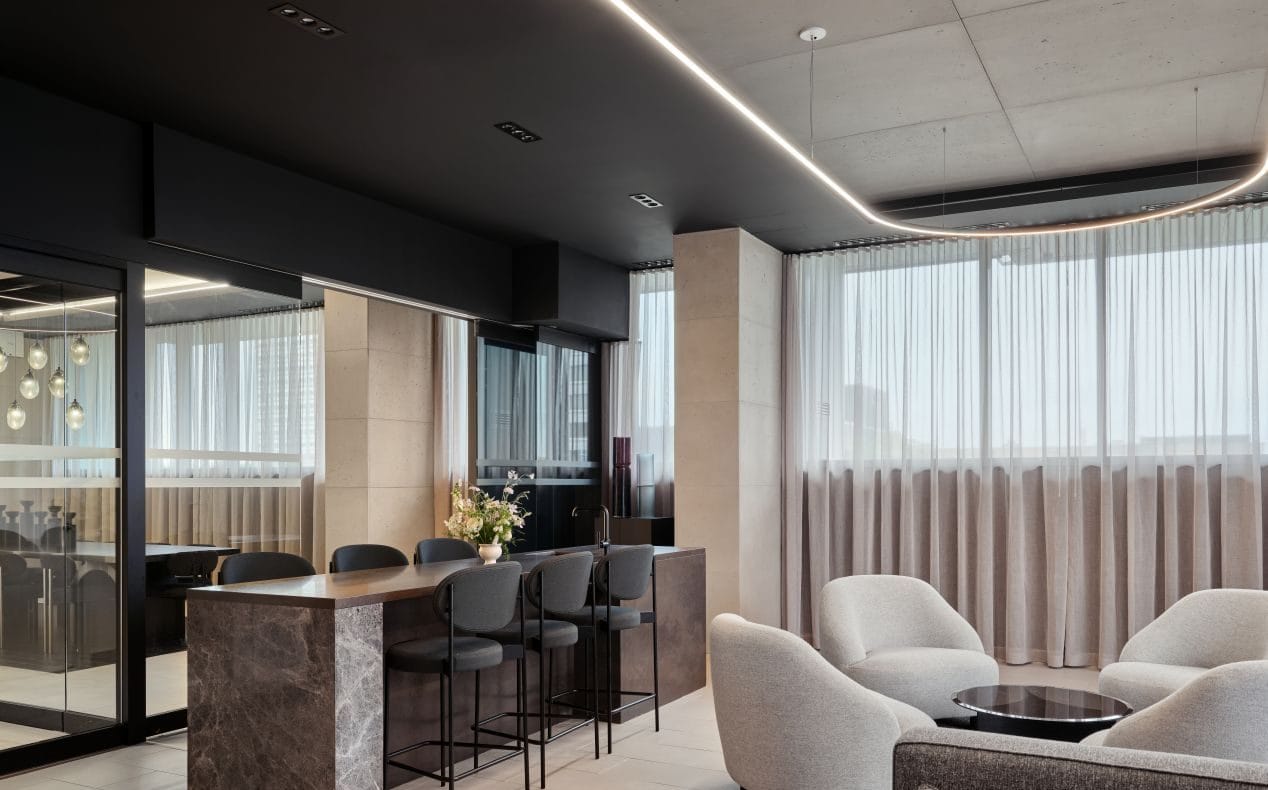
- Co-working office space
- Coffee shops
- Kids’ play area
- Community garden
- Chef’s kitchen and dining area
- Heated outdoor pool
Developers say these features reflect changing expectations. Remote work has made building workspaces more valuable. Wellness culture has increased demand for gyms and yoga rooms. Longer rental tenures mean tenants want more than just a place to sleep.
Desjardins says renters now expect the same features they might have in a detached home, just reimagined vertically. “People want the same facilities and services they could find in their own home. The backyard has become a rooftop garden. A home cinema becomes a shared screening room.”


Ottawa case studies: Building community through design
Several Ottawa projects illustrate this evolution.
At Brigil developments such as The Dale, amenities are marketed as tools to foster social interaction. Shared lounges and programmed events aim to reduce the anonymity common in high-rise living.
But some developers are extending that concept beyond residents alone. Brigil has proposed incorporating publicly accessible elements into future projects, including plans tied to the former bus station site on Catherine Street, and has already experimented with community-facing spaces such as the “back alley” concept at Espace Canevas in Gatineau. The idea, company officials have suggested, is to blur the line between private tower and surrounding neighbourhood, allowing certain amenity areas to function as gathering spaces open to the wider public.
Similarly, the Zibi development by Dream Unlimited integrates the co-living concept, combining affordable units with shared kitchens and gathering spaces.
Meanwhile, Richcraft has emphasized fostering connections between tenants in projects such as Parkdale Collective in Hintonburg.
At developments such as Parkdale Collective and Centrepointe Union, Bellman says amenities are designed to reflect how people live today.
“Fitness studios, pools, co-working spaces and smart technology save residents time and money,” he says. “But it’s the curated experiences that help them feel connected to where they live.”
In each case, amenities are positioned not simply as perks but as community infrastructure.
Why invest when vacancy is low?
Ottawa’s rental vacancy rates have remained relatively tight in recent years, raising the question: Why spend heavily on extras when demand is strong?
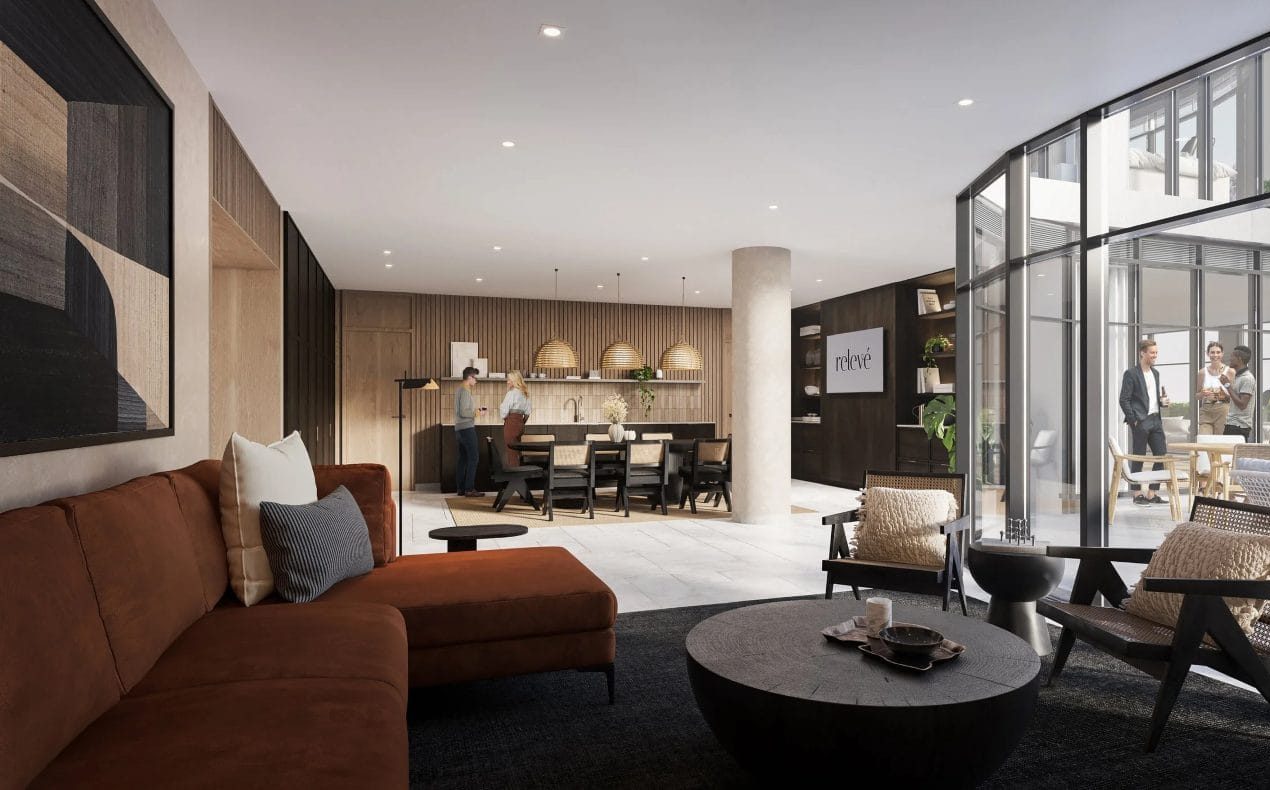
Emily Edmunds, director of development at Main and Main, which recently opened a 564-unit rental tower called Relevé at 400 Albert St. downtown, says what attracts people to the building is the amenities.
“The more amenities that people can envision using, the more likely they are to rent in our building,” Edmunds says. “You don’t even have to leave the confines of your building. It all happens within your community.”
Adds Bellman: “Even with low vacancy rates, it’s a highly competitive market. Amenities are a key differentiator not just to attract residents but to retain them.”
Industry observers point to several reasons:
Brand differentiation: Even in tight markets, developers compete for long-term positioning.
Premium rents: Amenity-rich buildings can justify higher monthly costs.
Tenant retention: It is less expensive to retain residents than to attract new ones.
Changing demographics: Millennials and Gen Z renters are delaying homeownership and renting longer. Expectations have shifted accordingly.
Amenities are no longer add-ons; they are part of the product.

Community or marketing strategy?
Developers often describe amenities as tools for community building. But in large apartment buildings, residents can remain largely anonymous, often knowing little about their neighbours beyond a brief greeting in the elevator.
That sense of anonymity may be exactly what developers are trying to counter. By promoting shared spaces and social programming, many aim to create a stronger sense of connection within increasingly dense living environments.
Edmunds says large buildings require an intentional design. “There’s over 700 people living in our building; these buildings become small cities.”
Desjardins adds that community-driven design is now central to development strategy. “We’re focusing a lot of our attention on wellness; anything that allows people to connect together.” Shared terraces encourage casual encounters. Fitness rooms create repeated interaction. Event programming can foster familiarity among neighbours.
Edmunds says simply building the space isn’t enough. “Often, seeing people use space makes it less sterile,” she says. “Whether it’s coffee on Fridays, a yoga class or a monthly cocktail hour, programming makes people feel comfortable using it.”
On the other hand, Elixir Real Estate argues that many amenities, specifically condo amenities, are underused or serve primarily as marketing tools.
The central question remains: Do these spaces genuinely build community, or do they justify higher rents?

The pandemic’s lasting impact
COVID-19 accelerated changes that were already underway. Tenants began demanding things like work-from-home spaces, outdoor access, improved air systems and flexible social areas and, as a result, buildings designed after 2020 increasingly incorporate co-working lounges and reservable meeting rooms.
“Technology built into amenities is something we’re going to focus on,” Edmunds says, “making sure spaces can shift and change over time as generations move with it.”
Many fitness rooms now include screens that allow residents to stream online classes, bringing digital subscriptions into shared spaces. And wellness and flexibility now anchor many amenity strategies.

Looking ahead
Developers suggest the next wave of amenities may include smart-building technology integrated with tenant apps, expanded sustainability features, public-facing retail or event space and greater neighbourhood integration.
“A building should be more than just a place to live; it should contribute to the fabric of the neighbourhood,” Greenberg says. “It’s about striking the right balance.”
If the past three decades are any indication, the definition of “standard amenity” will continue to expand.
For decades, renting meant compromise, fewer luxuries, fewer choices. In many of Ottawa’s new rental projects, shared spaces now include reservable co-working suites, fully equipped gyms and landscaped outdoor patios designed for year-round use.
The basement laundry room still exists in older buildings. But in the city’s newest developments, apartment living has become something else entirely; not just housing, but a curated urban experience.
“Modern renters expect their homes to offer flexibility, connection and a sense of belonging,” Bellman says. “We’re creating communities where people don’t just live, they thrive.”