
In Ottawa, on a Saturday morning, the sidewalks of the Glebe are full. People walk to coffee shops. Parents push strollers. Cyclists move between local businesses. Friends stop to chat on street corners. A short distance away, someone walks to the grocery store while another resident heads to a nearby park.
The same scene plays out in Hintonburg in Ottawa, Downtown in Saint John’s, Nfld., the Plateau in Montreal, Leslieville and Riverdale in Toronto and countless other beloved neighbourhoods across Canada.
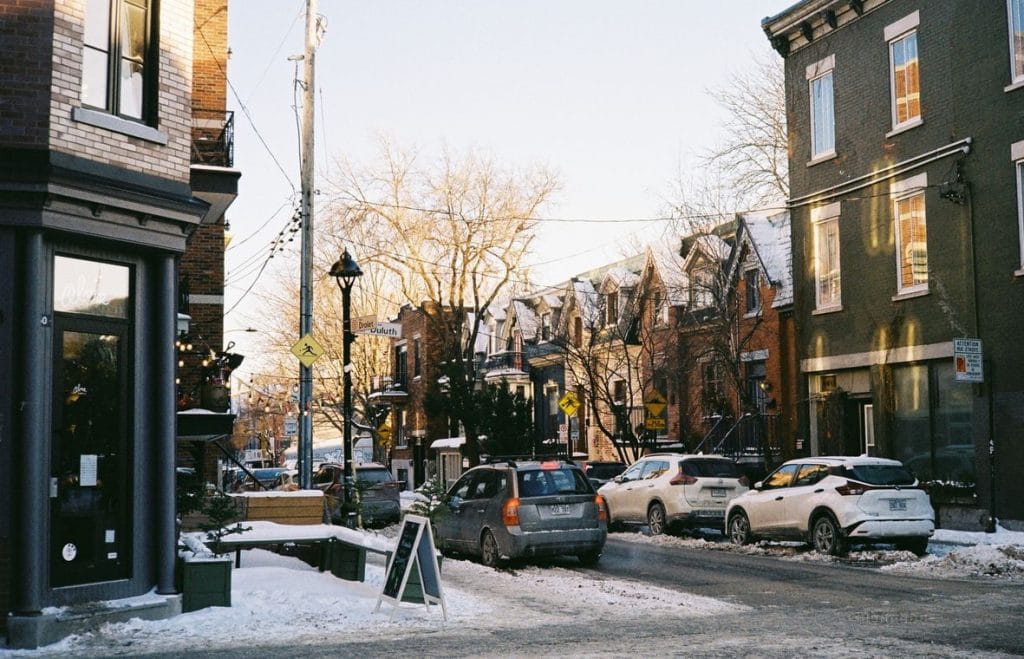
These places consistently attract residents and remain desirable generation after generation. People want to live there. Businesses want to locate there. Visitors enjoy spending time there.
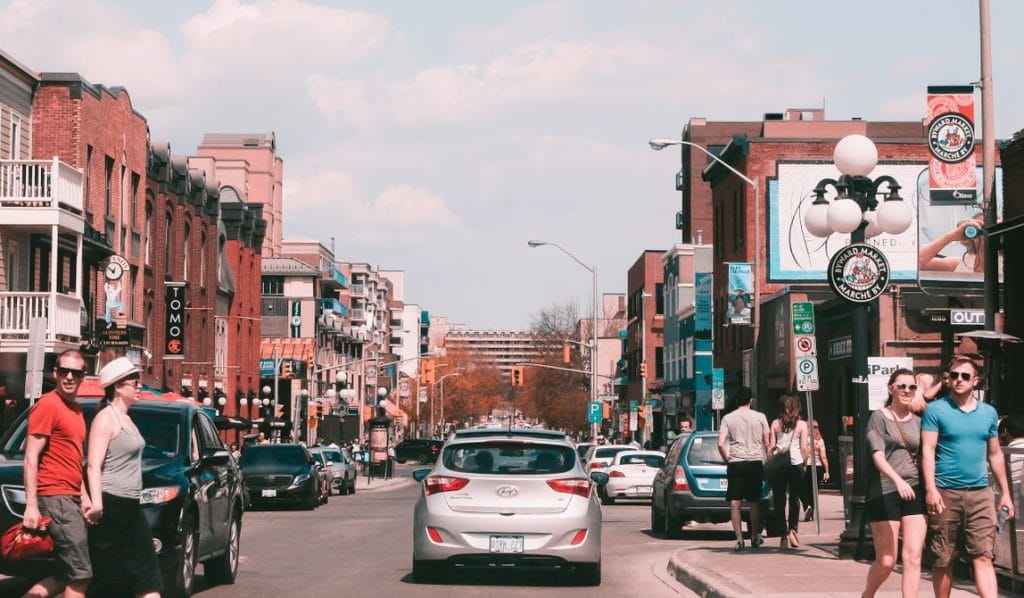
At a time when governments across Canada are searching for solutions to the housing crisis, perhaps a more important question is this: What can these neighbourhoods teach us about building communities that people want to live in?
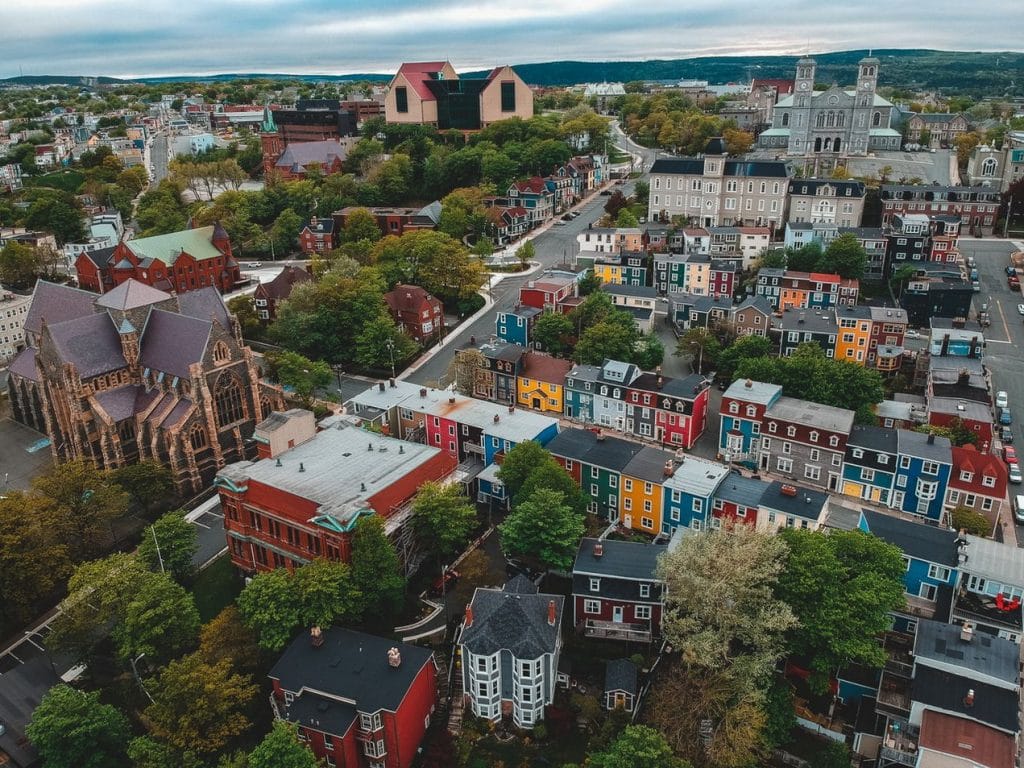
Great neighbourhoods are ultimately built on one simple principle: proximity. People, homes, businesses, services, recreation and daily needs are located close enough together that they become part of everyday life. That proximity creates convenience.
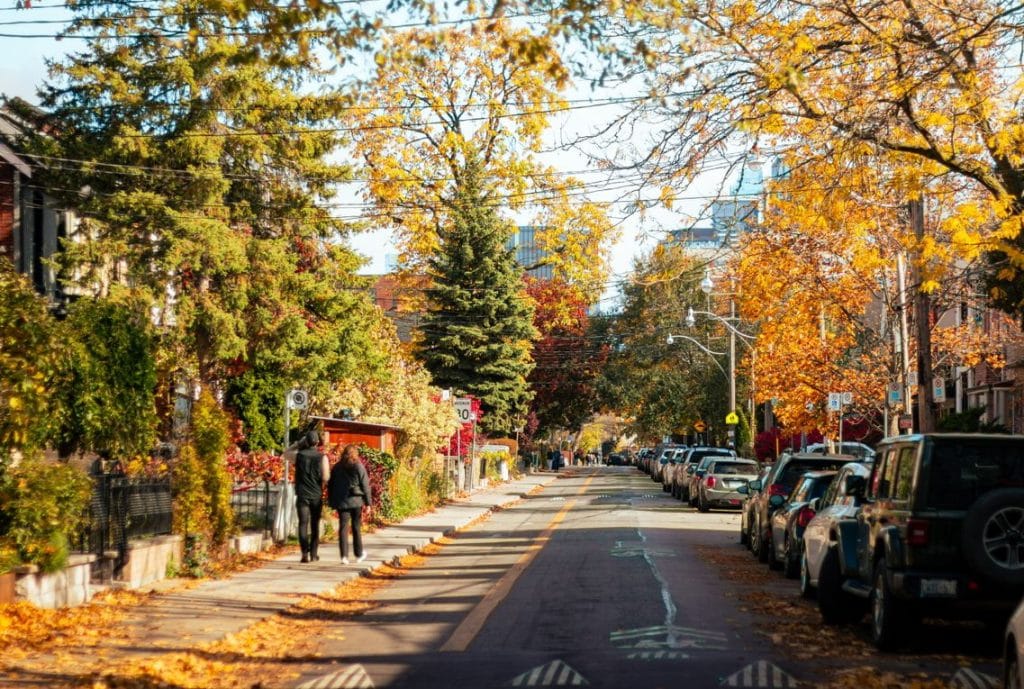
Convenience encourages walking. Walking creates activity. Activity creates opportunities for interaction. And, over time, those interactions create something increasingly rare in modern society: a strong sense of community. This is what makes so many of Canada’s most desirable neighbourhoods enduringly successful.
Power of mid-density, low-rise housing
While Canada’s most beloved neighbourhoods may differ in age, architecture and geography, they share a remarkably similar physical form. They are built around a mix of housing that includes low-rise, multi-unit housing.
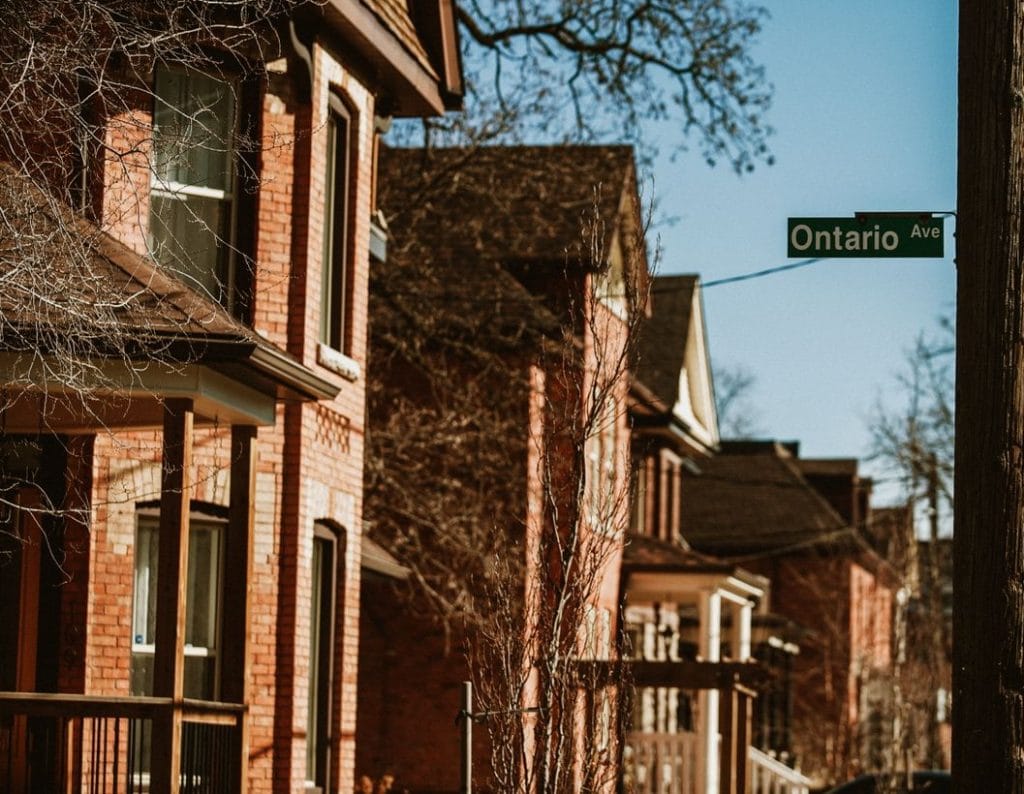
Triplexes, fourplexes, townhouses, walk-up apartments, laneway homes and small mixed-use buildings exist alongside single-family homes, parks, schools, cafés, shops and community amenities. The result is enough population to support local businesses and transit services, while maintaining a human scale that people find comfortable and inviting.
This is not high-rise urbanism, nor is it conventional suburban development.
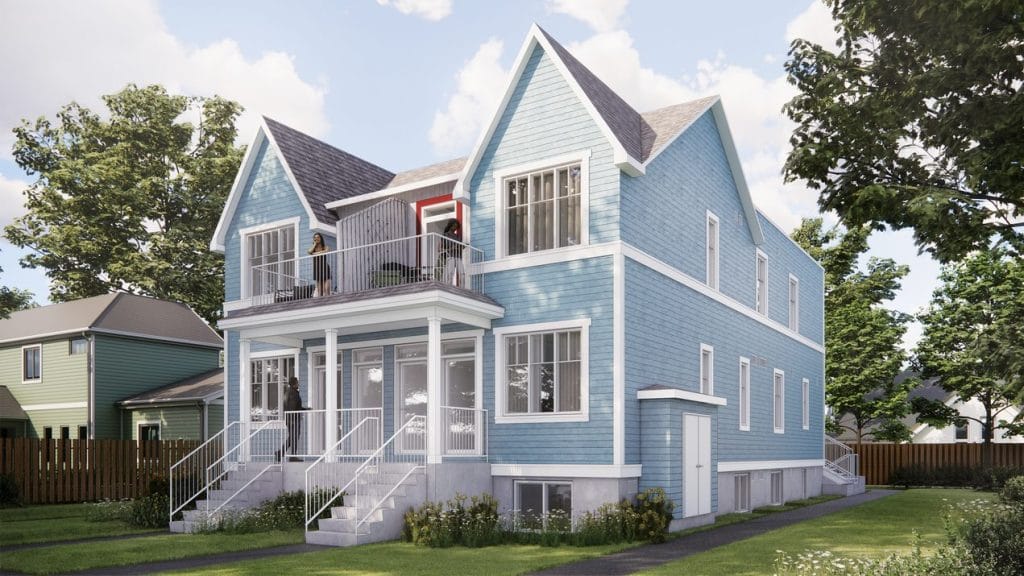
It’s a pattern of growth centred on low-rise, multi-unit housing that allows more people to live in desirable neighbourhoods without sacrificing the character, walkability and sense of place that residents value. It’s a middle ground that allows more people to live close to one another without sacrificing neighbourhood character.
Perhaps most importantly, this pattern creates housing choice. Young professionals, growing families, downsizing seniors and long-time residents can often find housing options within the same community. That diversity of housing supports a diversity of people, incomes and life stages, strengthening both the social and economic fabric of the neighbourhood.
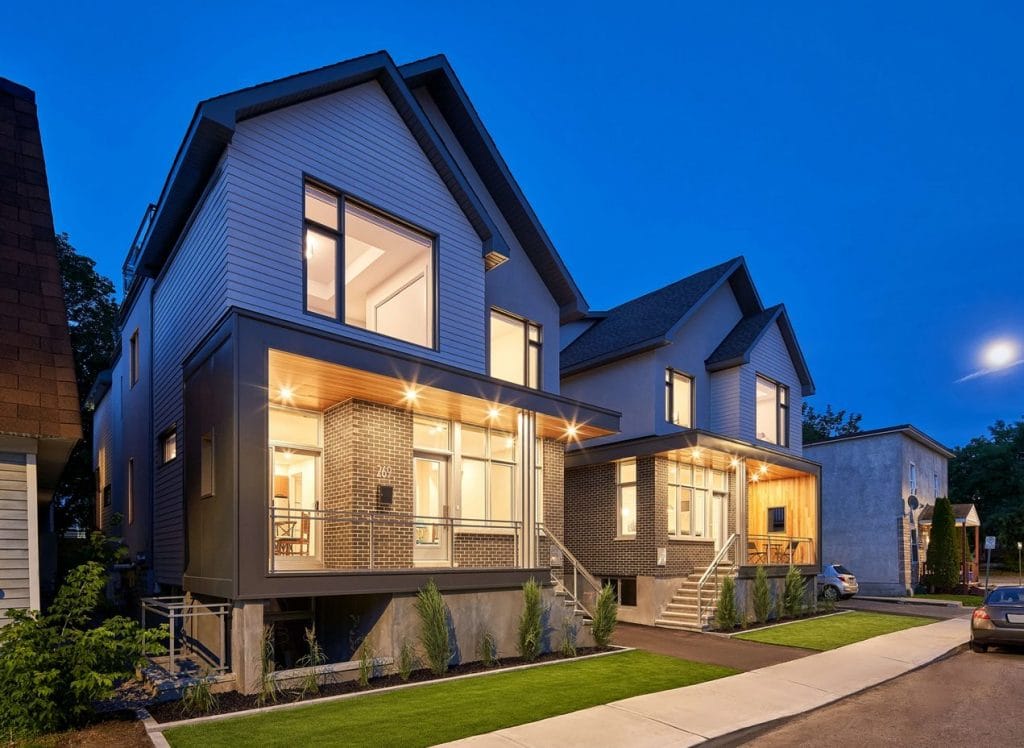
Ironically, many of the housing forms we now describe as “missing middle” were once simply called housing. They were common features of Canadian communities for generations and helped create many of the places we now celebrate as our most successful neighbourhoods.
Age alone does not create great neighbourhoods
It would be easy to assume that the success of neighbourhoods like the Glebe, Downtown Saint John’s, the Plateau, Leslieville and Riverdale is simply a function of age.
But age alone does not create great neighbourhoods.
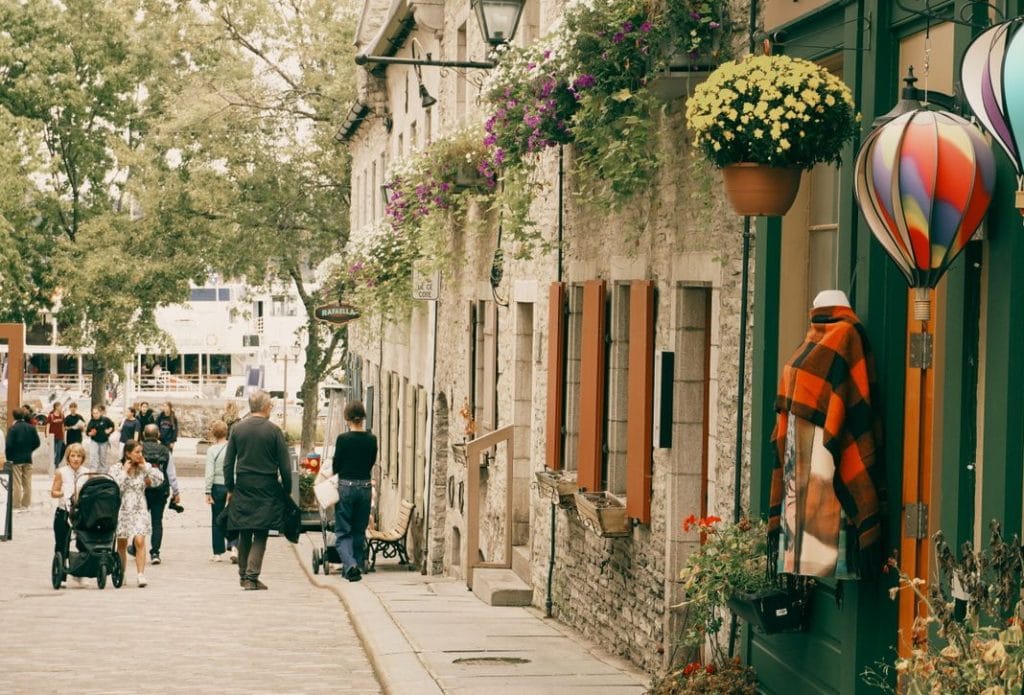
Across Canada, countless older neighbourhoods do not attract the same level of demand, walkability or community activity. Many consist primarily of single-detached homes on large lots, separated from shops, services, employment areas and community amenities. While these neighbourhoods often provide stability and quiet residential streets, they can also limit housing choice, reduce opportunities for daily interaction and make residents more dependent on automobiles for everyday activities.
The difference is not in when they were built; it’s how they were built.
Canada’s most desirable neighbourhoods were shaped by a pattern of development that brought people, housing, businesses, parks and services together. They evolved with a mix of housing types and enough residents to support local amenities and transportation options.
In contrast, many neighbourhoods were designed around a single housing type and lower residential densities. While these communities continue to play an important role in Canada’s housing system, they often lack the critical mass needed to support walkability, transit service, local businesses and community life that characterizes many of the country’s most sought-after neighbourhoods.
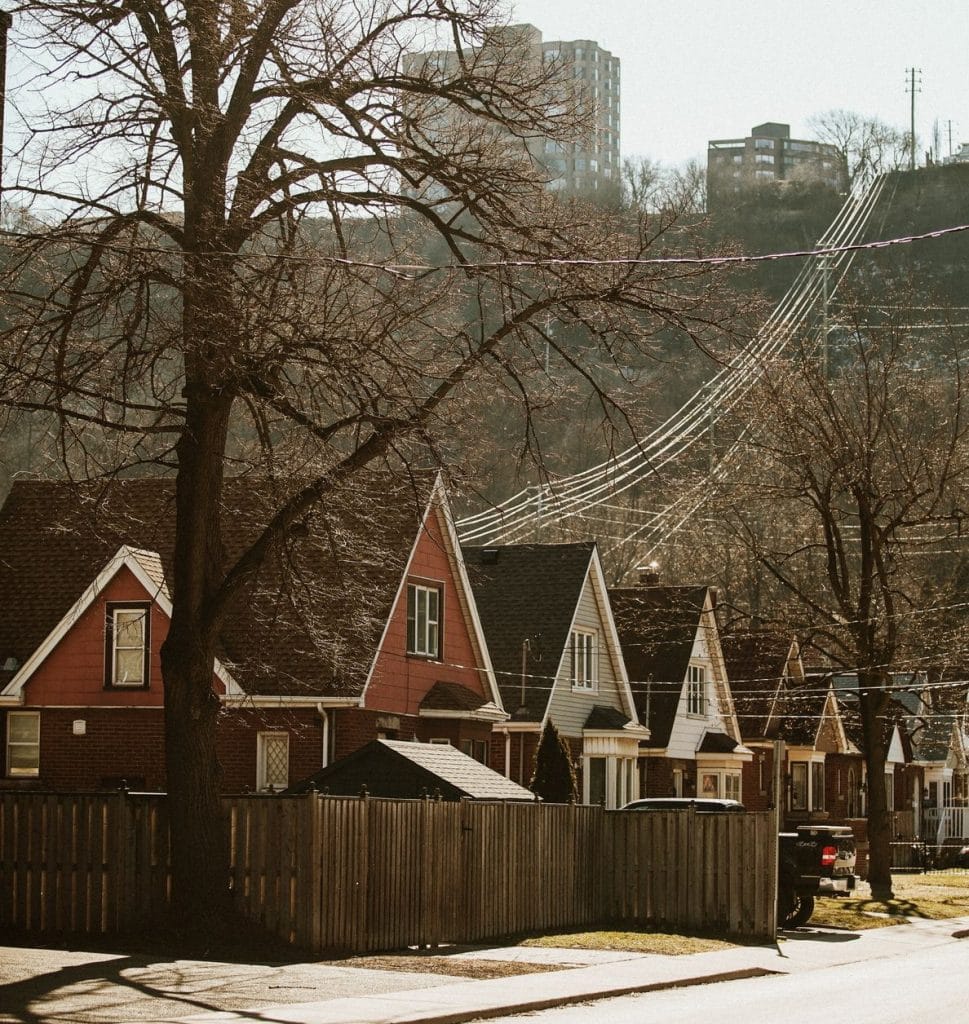
The lesson is not that every neighbourhood should look the same; it is that the qualities people value most — walkability, housing choice, local amenities and community connection — are rarely created by accident. They emerge from a pattern of development that allows enough people to live close enough together to support them.
The blueprint already exists
Canada’s housing challenge is often framed as a search for new ideas. But when it comes to housing in great neighbourhoods, we already know what works. We can see it in the neighbourhoods we love and visit.

These communities demonstrate that low-rise, multi-unit housing can support walkability, transit, local businesses, housing choice and strong communities while remaining human-scaled and deeply desirable.
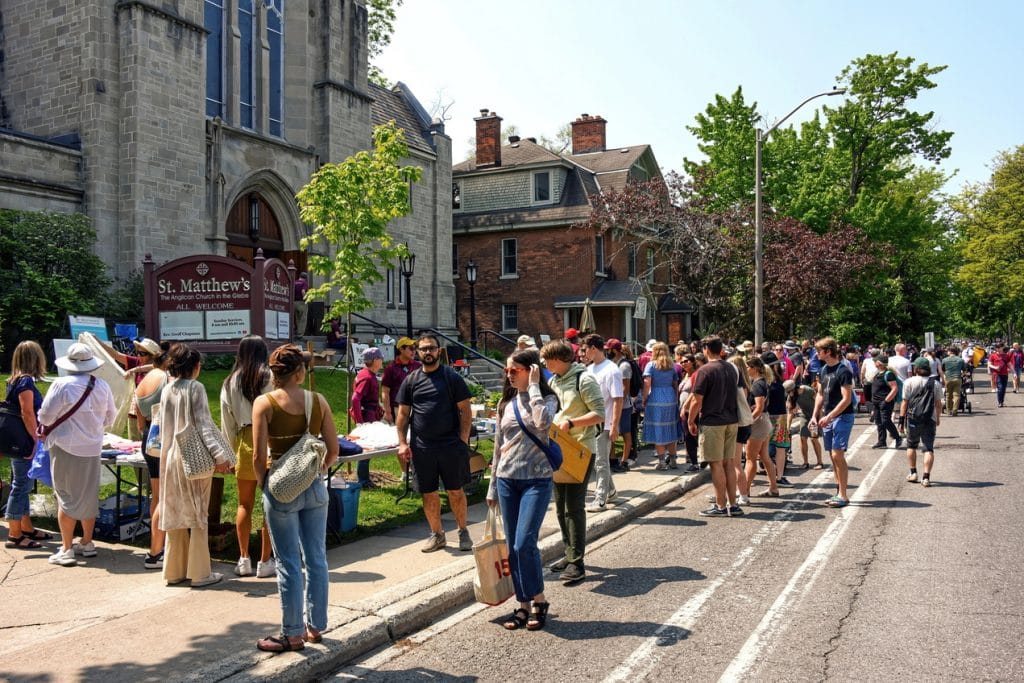
They show us that housing choice, community and growth are not competing objectives; they are complementary ones.
The challenge facing Canada is not discovering a new model but shifting our less desirable and fiscally unsustainable neighbourhoods to become thriving communities.
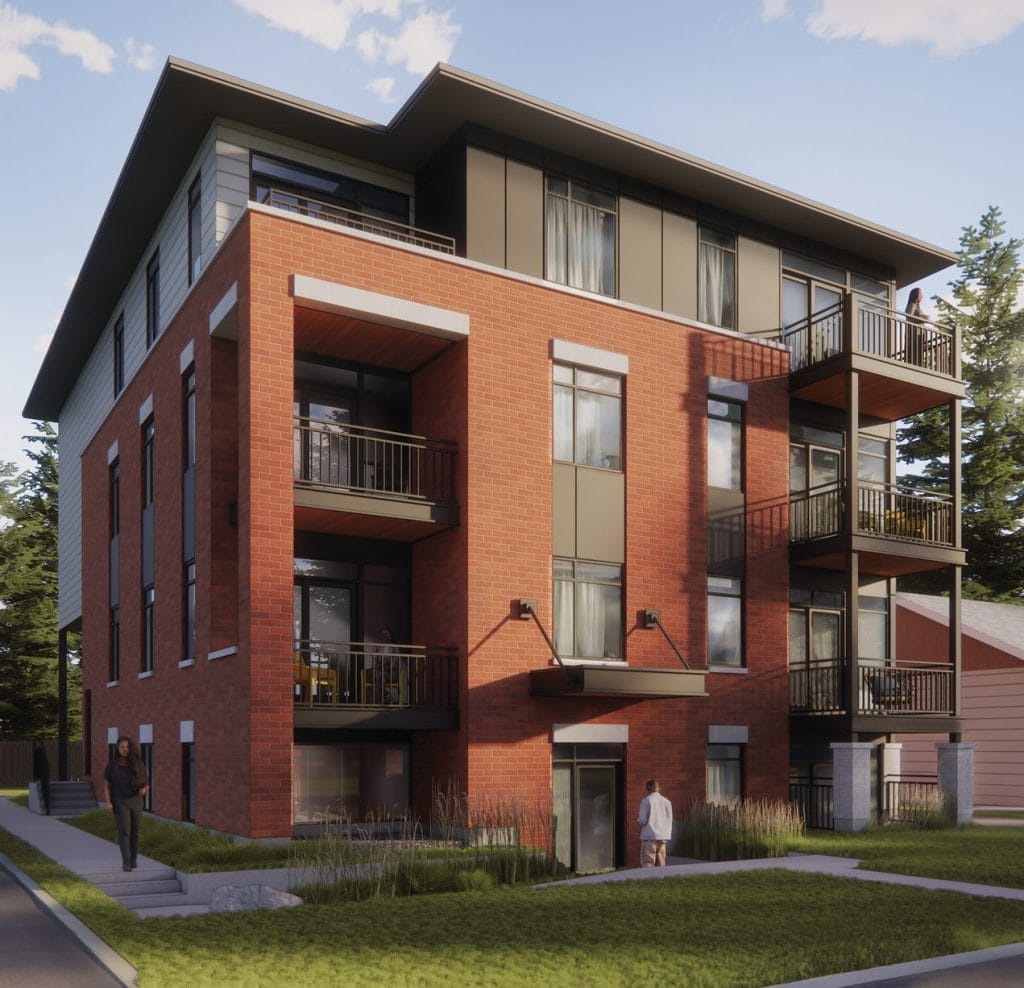
If we want more affordable housing, stronger communities and more sustainable growth, we should stop treating our favourite neighbourhoods as exceptions.
We should start treating them as the blueprint.
Less desirable neighbourhoods can intensify to match the densities and diversity of housing in our favourite neighbourhoods by allowing new multi-unit buildings. People often respond to this suggestion with great concern.
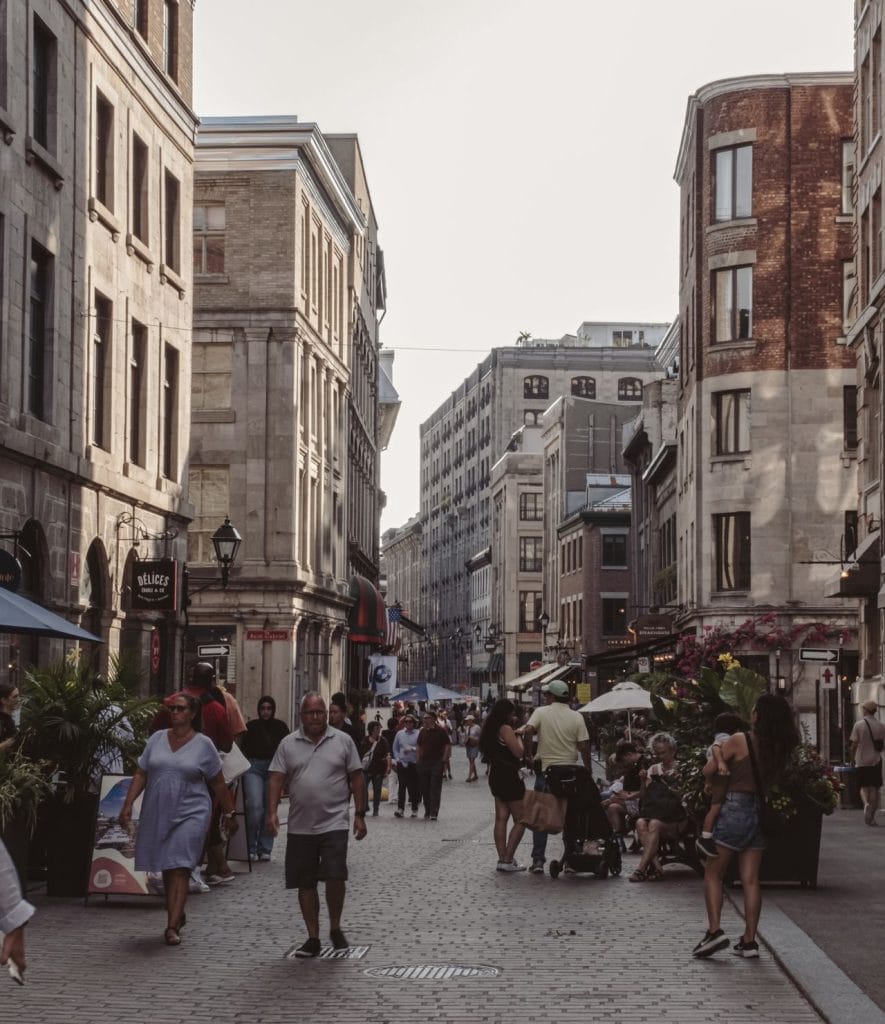
After all, when Canadians imagine their ideal neighbourhood, they are often imagining a place that already exists.
The goal is not to replicate the Glebe, the Plateau, or Downtown Saint John’s block by block. The goal is to allow more neighbourhoods to evolve toward the qualities that make those places so desirable: walkability, housing choice, local amenities, strong communities and a sense of belonging.
