House fires remain one of the most common emergencies facing Canadians, especially in winter, according to the Canadian Red Cross. Most are preventable; yet unattended cooking, careless smoking and overloaded electrical outlets continue to put families at risk.
From everyday cooking habits to escape plans and recovery steps, fire safety starts long before smoke fills a room. Fire officials and safety experts agree that preparation and prevention, not panic, save lives. Knowing how to prevent a fire, what to do when one breaks out and how to recover afterward can mean the difference between tragedy and survival.
Fire safety begins with everyday habits but extends to alarms, escape plans and post-fire recovery steps that many families often overlook until it is too late.
Preventing fires before they start
Cooking — the leading cause: Unattended cooking is a top cause of home fires in Ontario, according to the provincial government’s web page on fire safety at home. Staying in the kitchen while cooking, keeping flammable materials (like towels hanging on the oven handle) away from burners and turning pot handles inward can significantly reduce risk. Experts recommend keeping a properly fitting lid nearby to smother grease fires instead of using water, which can spread flames.
Smoking — the deadliest risk: Smoking remains the No. 4 cause of fatal home fires in Ontario, according to the Ontario Fire Marshal’s Office. Safety officials advise never smoking in bed and encouraging smokers to smoke outdoors. Ashes should be disposed of in a metal container with a tight lid, kept outside the home.
Electrical and heating hazards
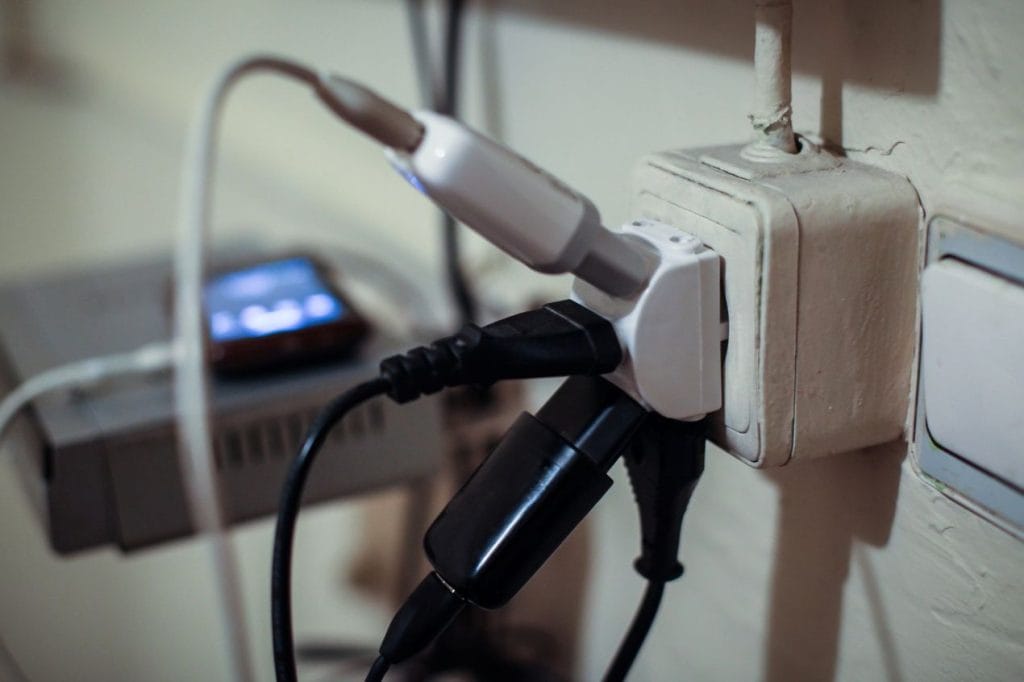
Electrical fires often begin with overloaded circuits or damaged power cords. Extension cords should be only temporary solutions, never placed under rugs and never linked together. Space heaters should be kept at least one metre from anything flammable. More on fire prevention.
Rechargeable lithium-ion batteries, found in everything from cellphones and laptop computers to power tools and even electric toothbrushes, are another potential hazard. Overcharged or damaged batteries can explode, causing a fire like the one that recently gutted two homes in Richmond. Read more.
According to the Insurance Bureau of Canada, small preventive measures such as cleaning dryer lint traps and inspecting chimneys annually can dramatically lower household fire risk.
Smoke alarms: A legal and life-saving requirement
Most fatal fires occur at night when people are asleep. Working smoke alarms provide the early warning needed to escape.
MORE: An Arnprior family’s escape
Ontario law requires smoke alarms on every storey of a home and outside sleeping areas. Homeowners and landlords are legally responsible for ensuring alarms are installed and maintained. Failure to comply can result in significant fines.
Experts recommend:
- Testing alarms monthly
- Cleaning alarms once a year to prevent dust from clogging them
- Replacing batteries at least once a year (an easy time to remember is when the clocks change)
- Replacing alarms every 10 years
- Installing both ionization and photo-electric alarms to detect different types of fires
For every home that has a fuel-burning appliance, attached garage and meets other conditions, Ontario law requires the installation of carbon monoxide alarms adjacent to every sleeping area and on every storey. Some smoke alarms include a carbon monoxide detector, and hard-wired detectors should include a battery backup in case of a power outage.
More on fire safety
Planning an escape before disaster strikes
Fire spreads quickly and you may have less than two minutes to escape.
A proper home fire escape plan should include:
- A floor plan of every level
- Two exits from every room
- A designated outdoor meeting place
- Assigned helpers for children, seniors or people with disabilities
Families should hold practice drills twice a year and teach children the “stop, drop and roll” technique in case clothing catches fire.
More on safety drills
In high-rise buildings, residents should use stairs, never elevators, during a fire.
Preparedness also includes maintaining a three-day emergency kit, which can include nonperishable food, bottled water and a battery-run radio.
What to do during a fire
When alarms sound, the message is clear: get out and stay out.
If smoke is present:
- Crawl low beneath it
- Feel doors for heat before opening
- Use alternate exits if needed
If your escape is blocked:
- Stay in the room
- Close the door
- Place a wet towel at the base, if you can
- Call 9-1-1
- Signal from a window with a flashlight or bright cloth
Re-entering a burning building is never safe.
Special risks during power outages and floods
Power outages increase fire hazards. Flashlights should be used instead of candles. Generators must be operated outdoors only, away from windows and doors. Never bring propane and charcoal barbecues inside.
Electrical systems affected by flooding can be extremely dangerous. The Electrical Safety Authority recommends professional inspection before restoring power.
The first 24 hours after a fire
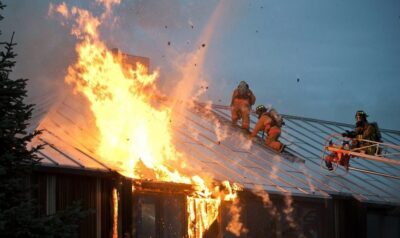
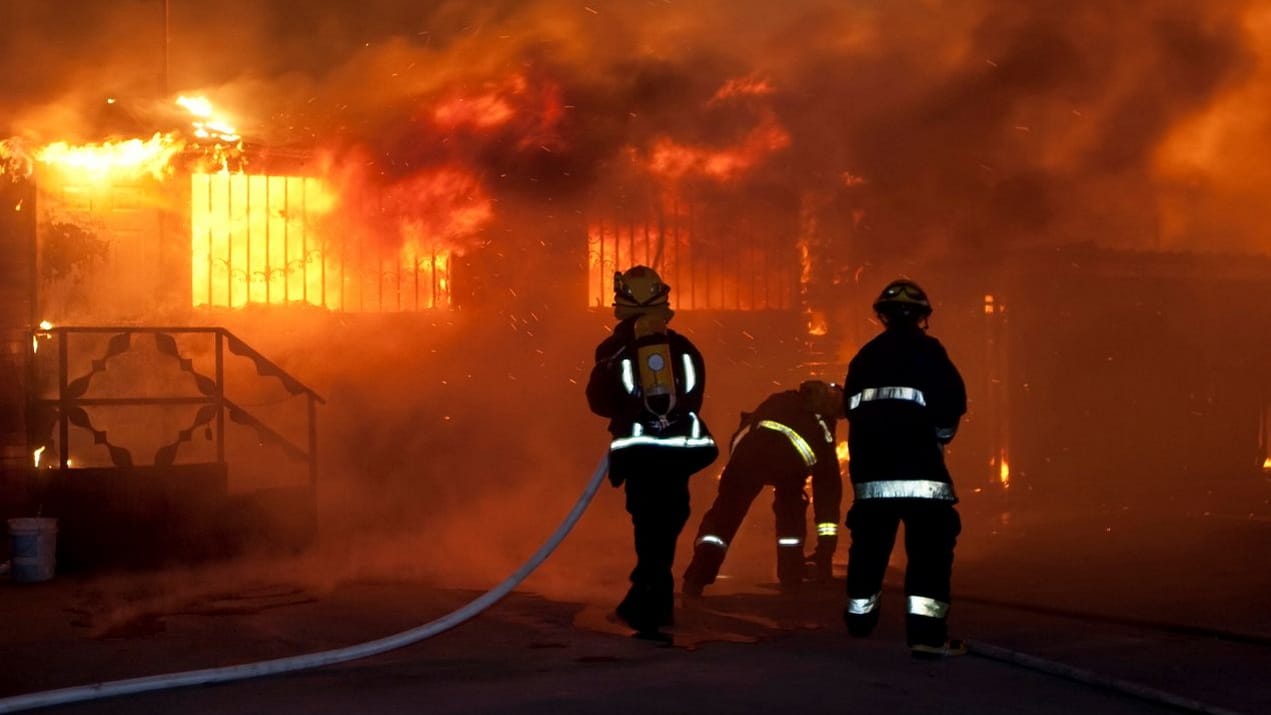
After firefighters extinguish the flames, which can involve breaking through the roof and windows to allow super-heated gases and smoke to escape, dangerous hidden hot spots may remain. These are areas where fire is still burning and require firefighters to open walls and ceilings to find and quench them.
You should:
- Contact your insurance provider
- Document damage with photographs
- Record the incident number
- Avoid restoring utilities yourself
If your home is uninhabitable, Ottawa Fire Services can connect you with support from the Canadian Red Cross for food, shelter and essential supplies.
More on what to do after a fire
Recovery and rebuilding
Re-entry should only occur when authorized by officials, and protective gear should be worn during cleanup. Food exposed to smoke, soot, water or heat should be discarded, and water that may be contaminated should not be used.
Keep receipts for insurance claims and create a detailed inventory of damaged belongings and store your inventory off site.
Recovery can take weeks or months, but early preparation reduces physical, emotional and financial strain.
Fire safety is not complicated, but it requires attention. From testing smoke alarms to practising escape routes, prevention begins long before an emergency. When seconds matter, preparation — not luck — determines the outcome.