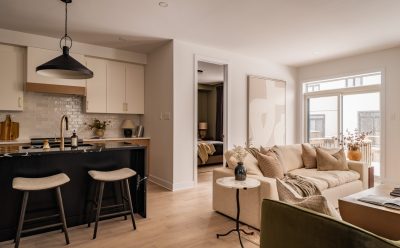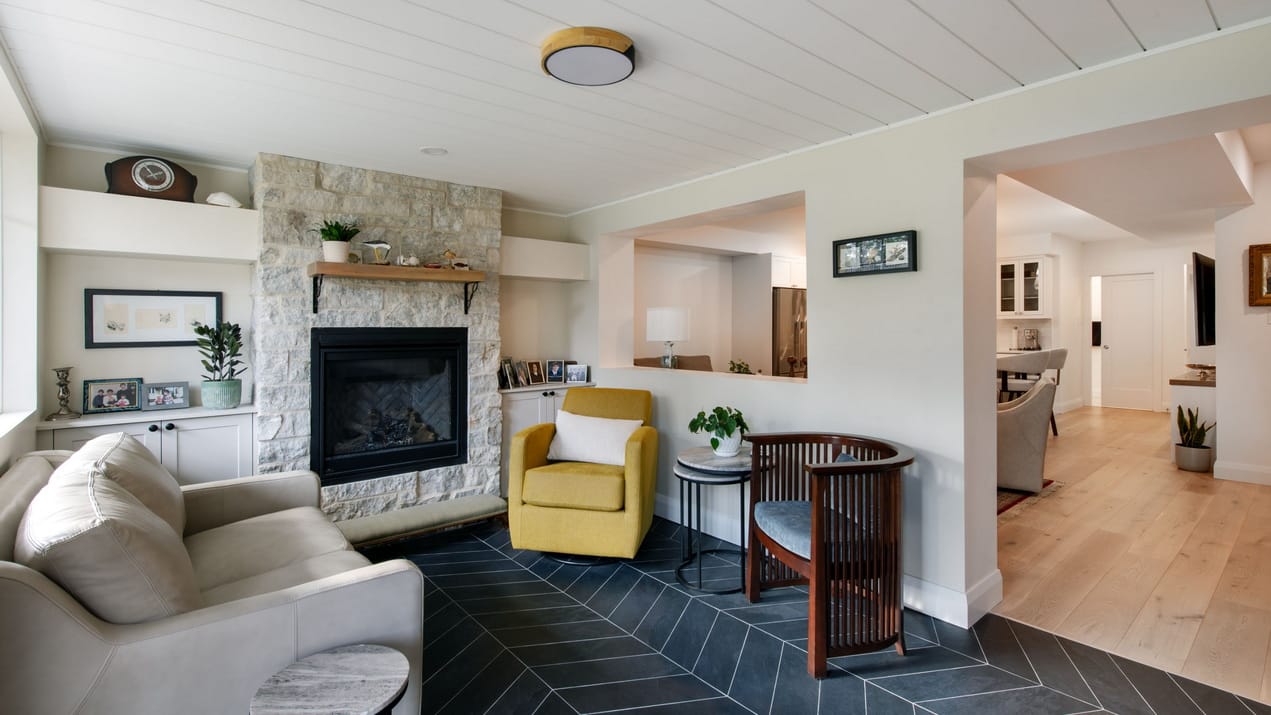
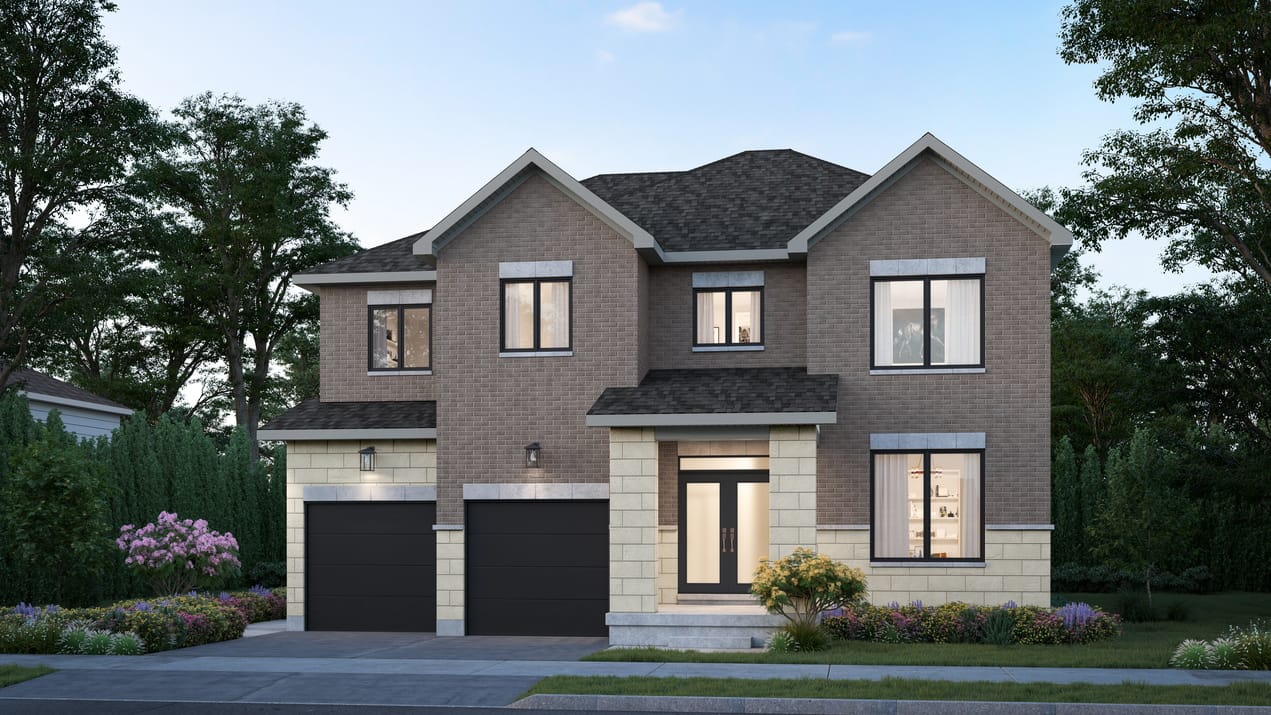
Duo Homes, Income Series, bi-generational models, multi-unit homes — by whatever name they’re called, additional dwelling units, or ADUs (think a full basement suite for aging in-laws, for instance), have become increasingly popular in both builder portfolios and renovations.
They’ve been part of the arsenal of several builders and renovators for some time now but were recently joined by two of Ottawa’s largest builders with others set to enter the fray: Minto introduced its Dual Key homes in September and Richcraft launched its Tandem Dual Living Homes in December. Patten Homes and Urbandale Construction have versions in the works.
Why are these types of homes so in demand now? You can thank a perfect storm of circumstances:
- The rapid increase in home and rental prices leading into and through the pandemic has made it harder for first-time buyers to get into the market and less appealing for empty nesters to downsize.
- Economic and job uncertainty are creating hesitation among buyers.
- The pandemic exposed the issue of isolation among family members, making multi-generational living a desirable option for some.
- The massive generational transfer of wealth (dubbed the Great Wealth Transfer) currently underway as baby boomers pass down a record amount of money to their children is creating more opportunity to combine multi-generational households.
- The provincial Bill 23, known as the More Homes Built Faster Act, which led to local bylaw changes in 2023, has made it easier to add density and the number of units in a home or on a property.
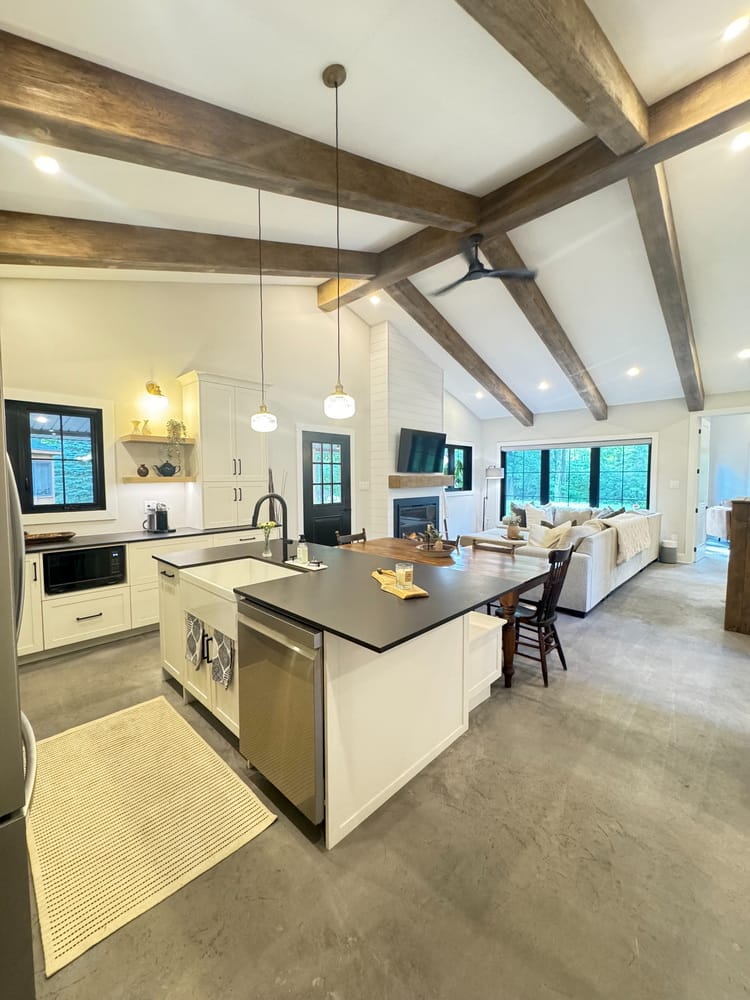
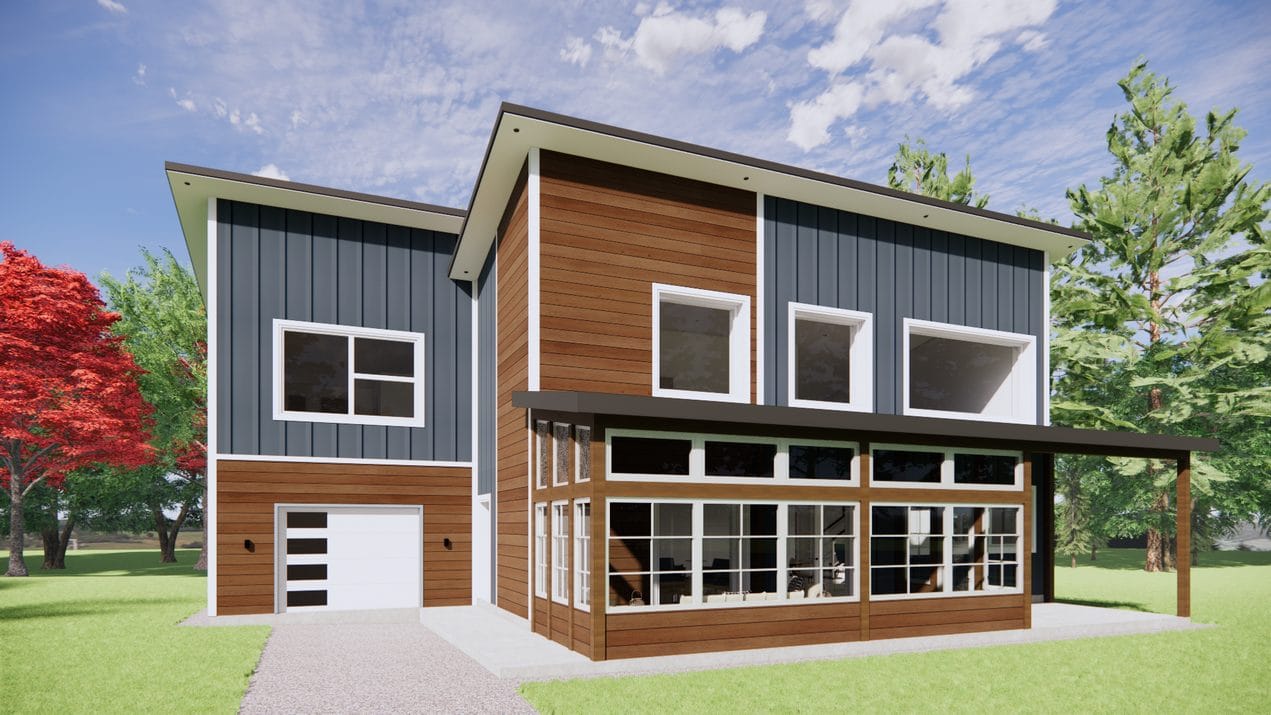
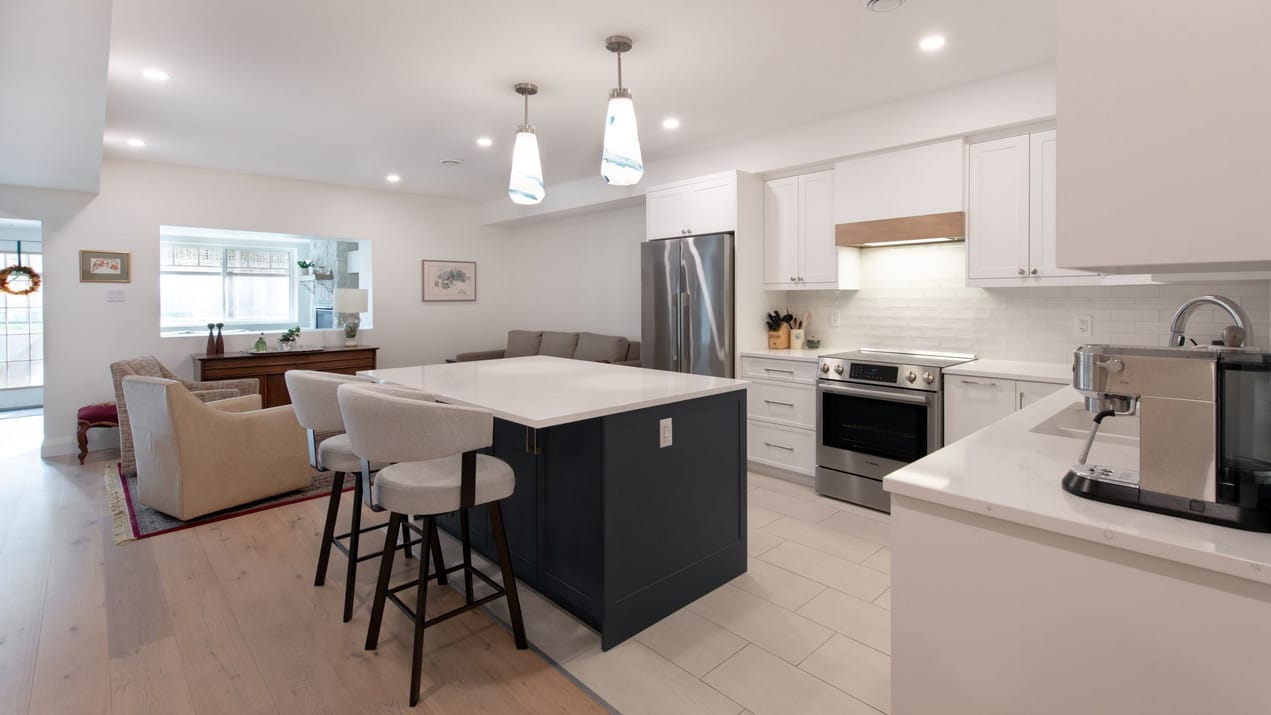
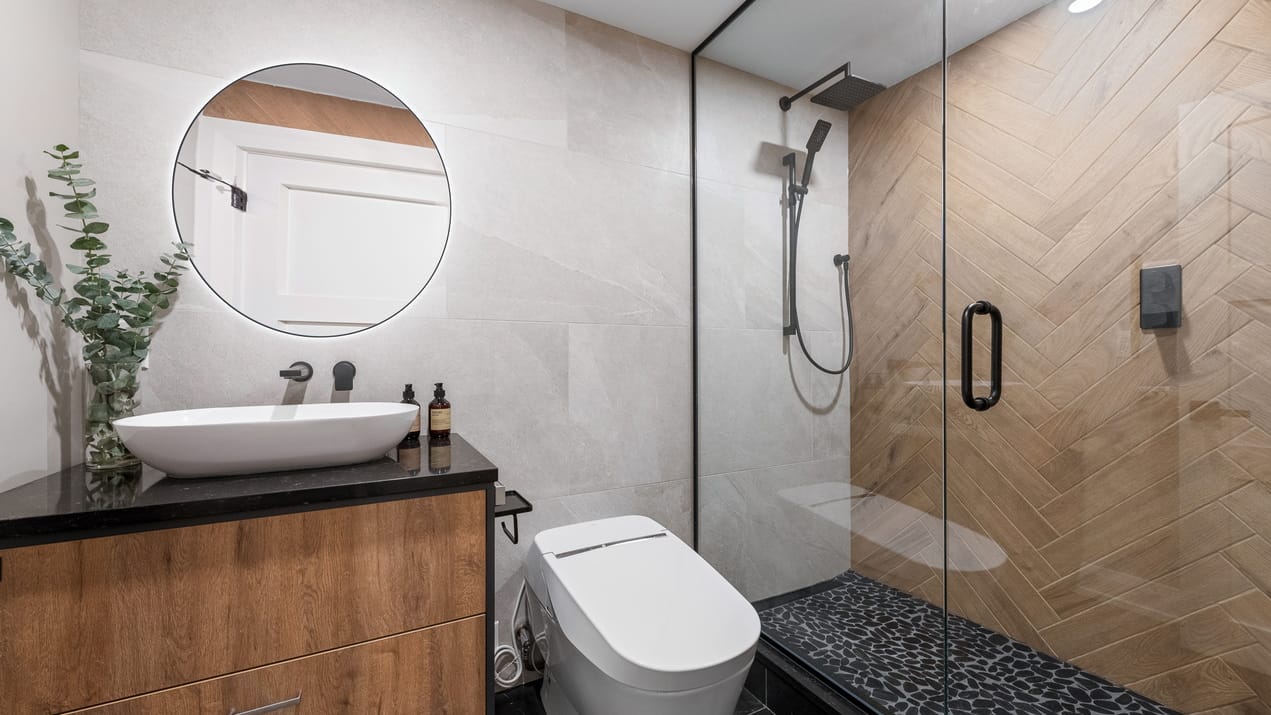
“As prices increased, as demographics changed, (we saw) this was going to be a huge tool for people to actually create affordable housing,” says Nick Karrandjas of Ottawa General Contractors (OGC), which has been building coach houses and ADUs for about eight years. These types of projects now make up some 60 per cent of the company’s business.
Last year alone, the city issued 344 permits between January and November for ADUs (December numbers were not available at the time of writing). An extra 19 permits were issued for coach houses. Together, they represent almost five per cent of the total permits issued for home construction, demolition or alteration.
OGC already has more than 25 ADUs ready to go this spring — a number that will likely double by the end of the year, Karrandjas says. That compares to five or six years ago when the company would build five to 10 ADU projects.
“In all of my experience, I’ve never seen such a massive change in zoning and code changes” that is making the increase in additional dwelling units possible, he says.
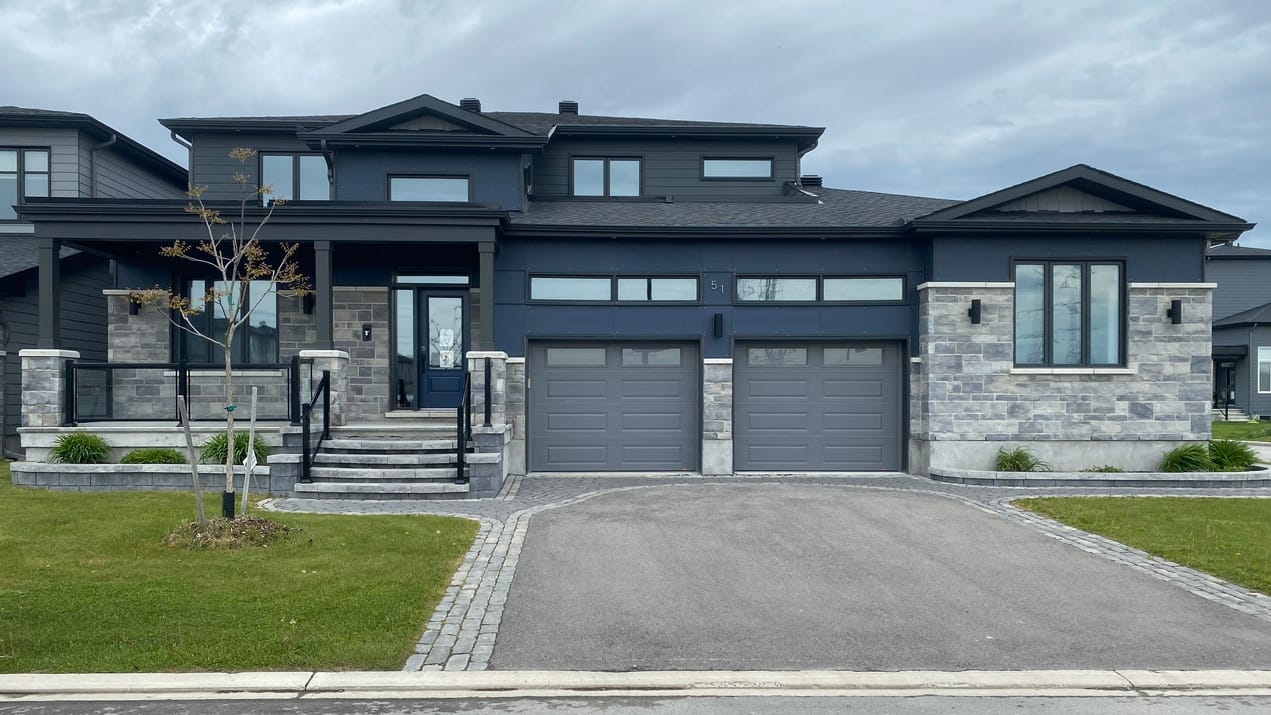
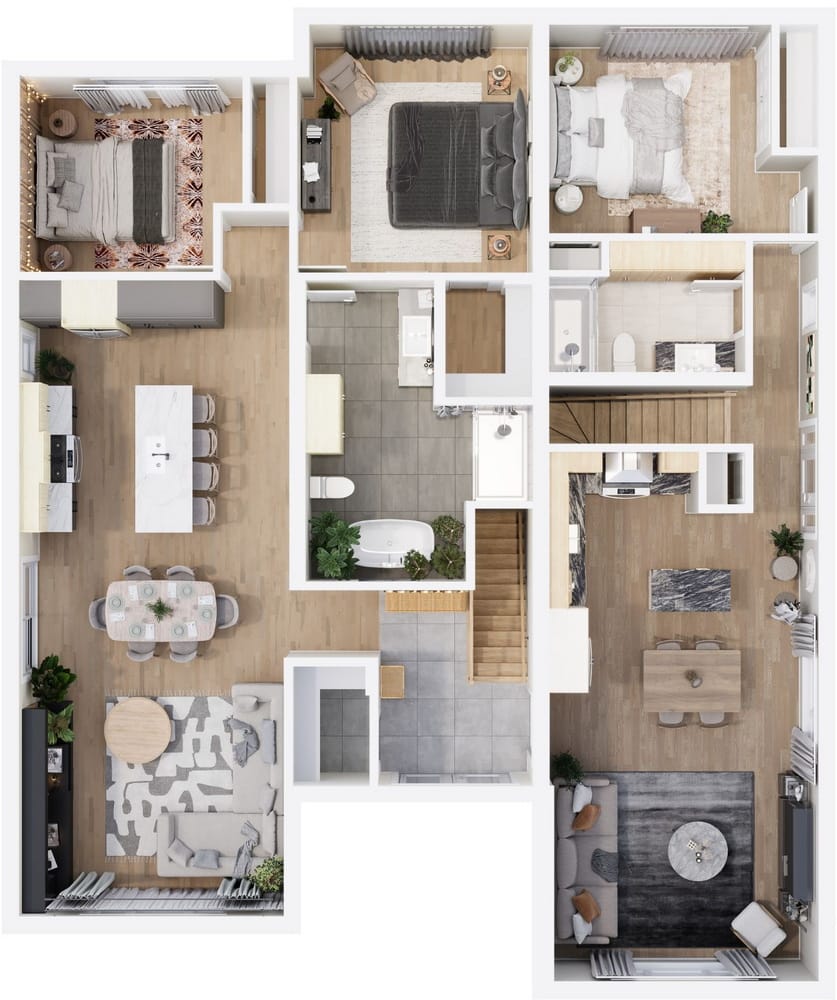
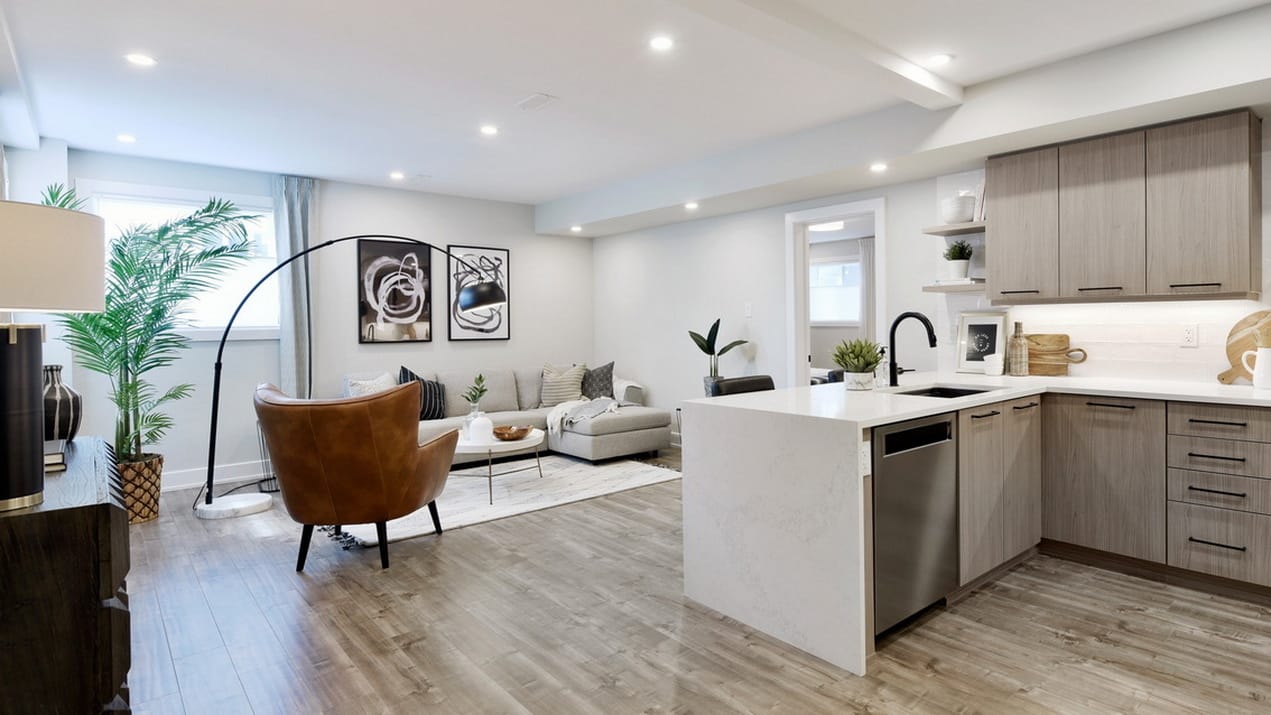
Metric Homes, a pioneer in ADUs, is seeing the same increase. “The last couple of years a much bigger percentage of our builds have been ADUs and, in fact, we just closed two in December,” says owner and vice-president of operations Shawn Bernier.
Since Metric built its first home with an ADU in 2007, the part-production, part-custom builder has sold more than 20 of them, with most being homes where the secondary unit is on the ground floor. Metric has since added homes with basement units to its portfolio, including a model home at Trail View in Kanata now under construction, where it will join an existing model home with an ADU.
“I think more and more families are realising that pooling resources is enabling them to live in a little bit more comfortable, potentially more affluent, home than they would if they were to try and do it separately,” Bernier says.
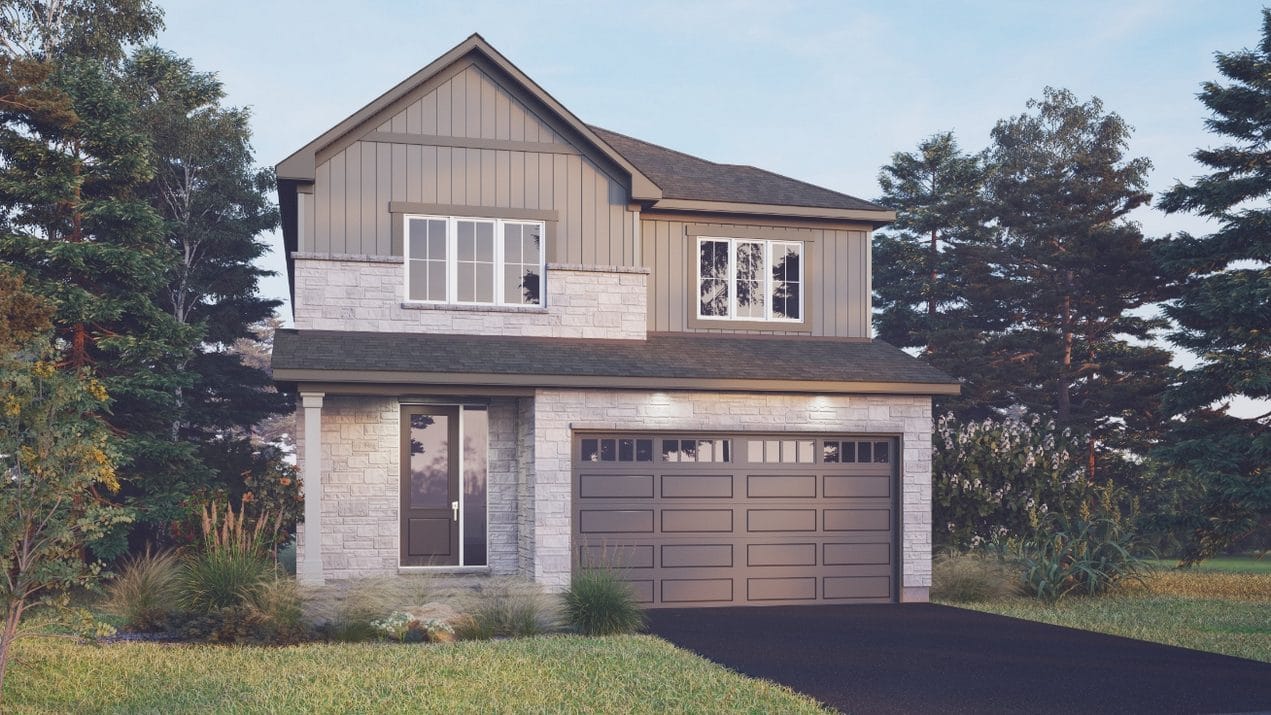
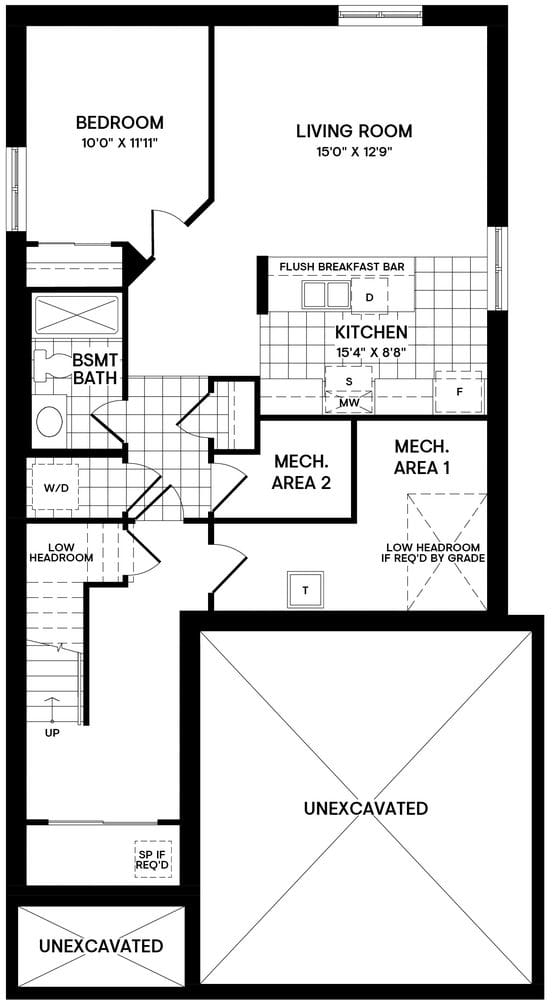
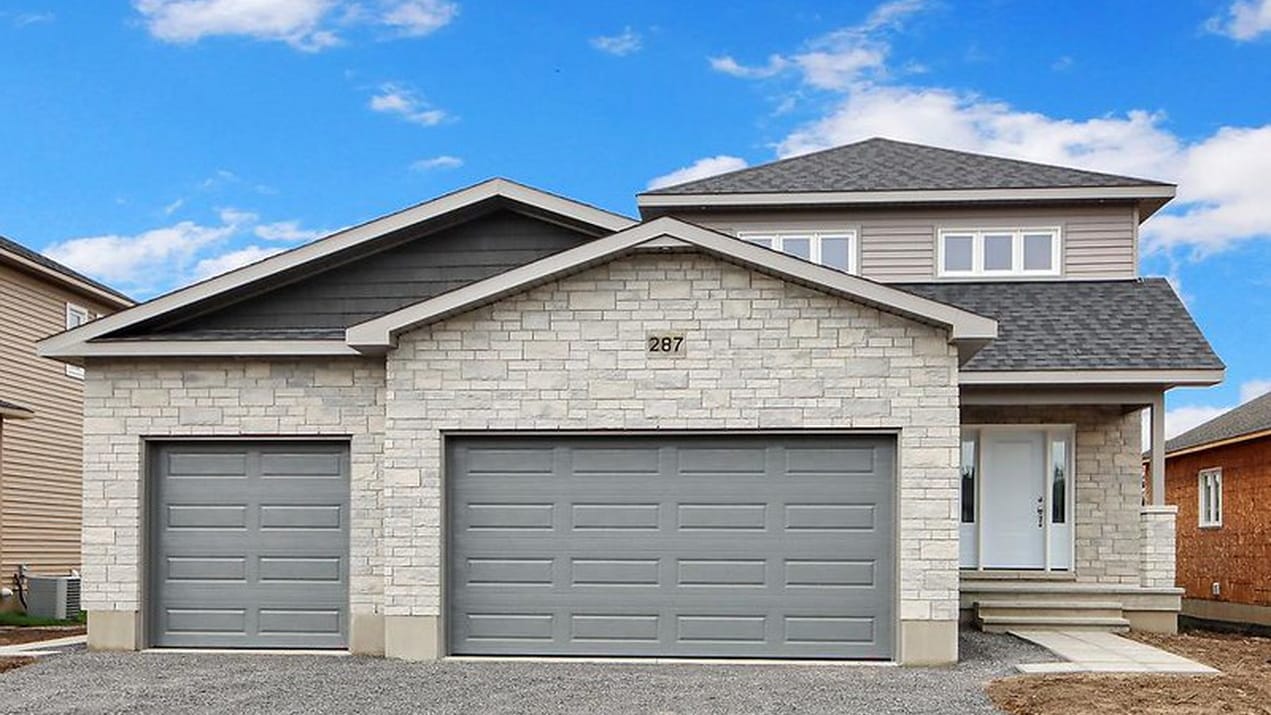
Like other builders who have recently begun offering ADUs, Minto entered the market because it saw a need. “Housing affordability continues to be a major concern for many buyers,” says product development manager Lindsay Kennedy.
Minto currently offers two floor plans with ADUs at its Mahogany development in Manotick, with plans to introduce a third layout and expand to other developments. “We see them appealing to families looking for flexible living arrangements, multi-generational households, families with adult children living at home, or buyers wanting rental income to support affordability,” Kennedy says, adding that interest has been high.
Richcraft is also seeing early interest, with at least two of its Tandem Dual Living Homes sold since introducing them in December. A home with an ADU “offers a balance between flexibility, privacy and connection,” notes marketing manager Shawn Bellman. Richcraft is offering eight floor plans with an additional unit in the basement — the narrowest fitting on a 31-foot lot. They’re available at each of its developments where single-family homes are sold.
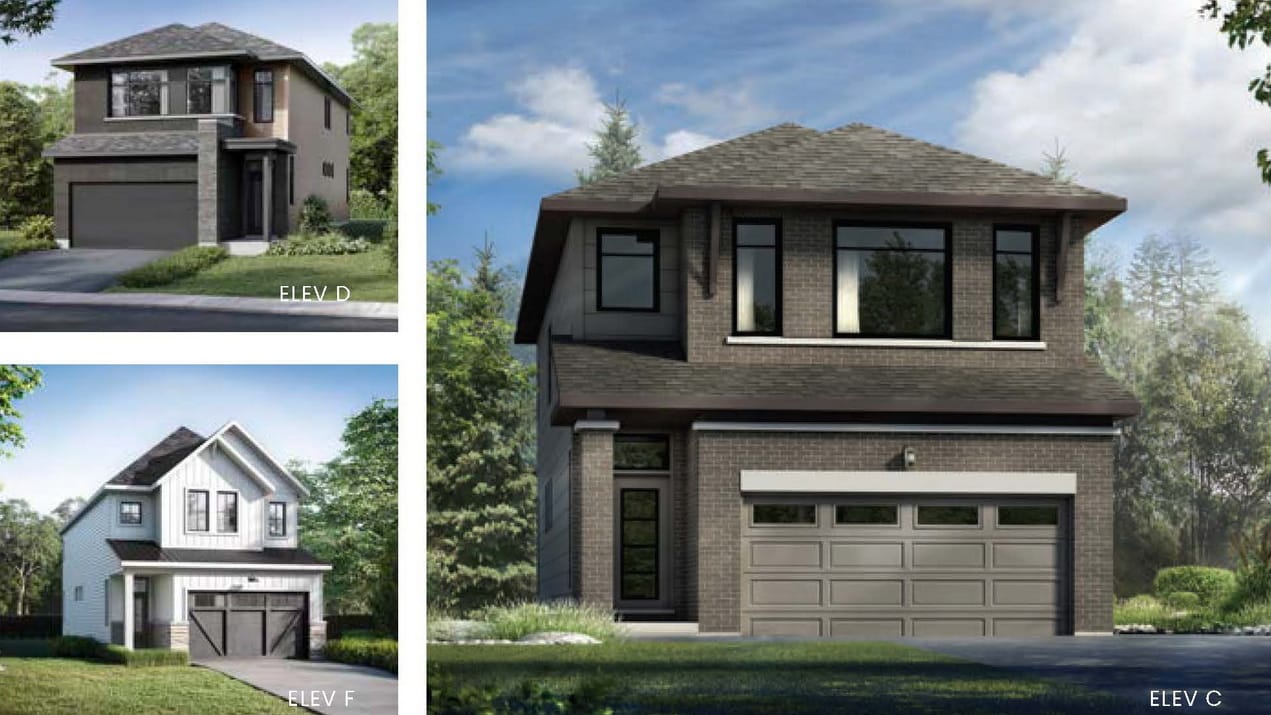
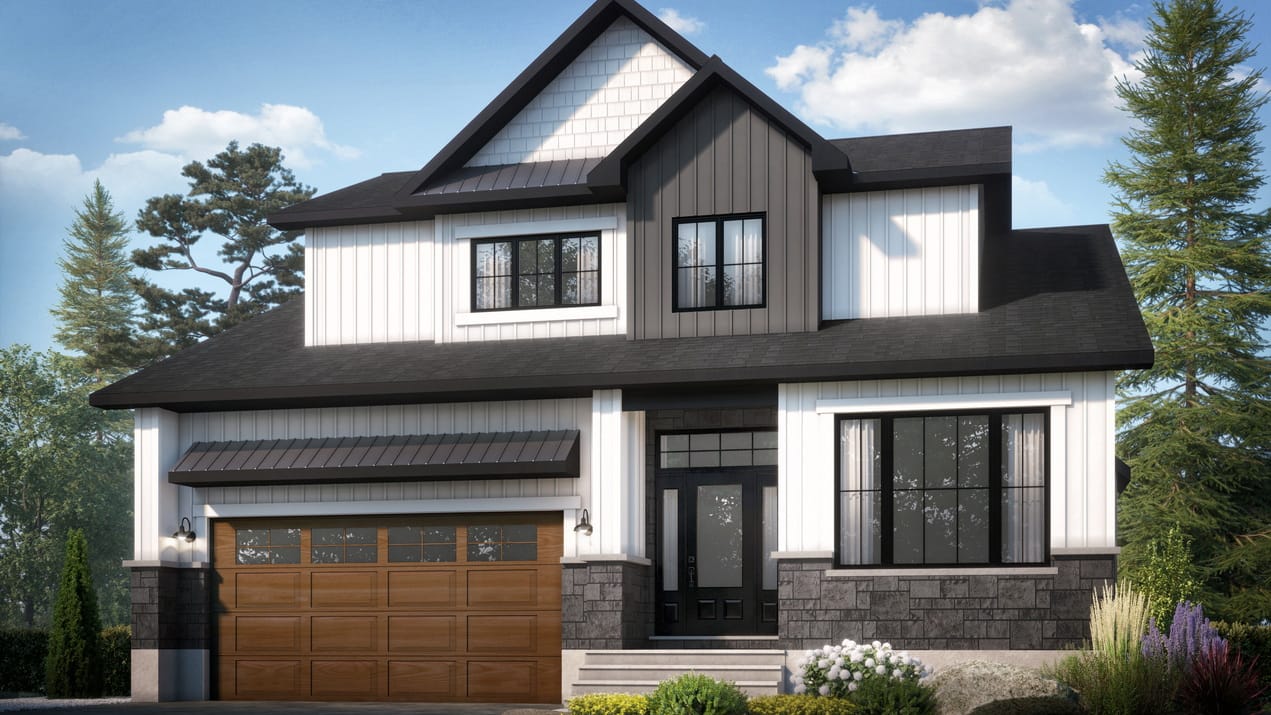
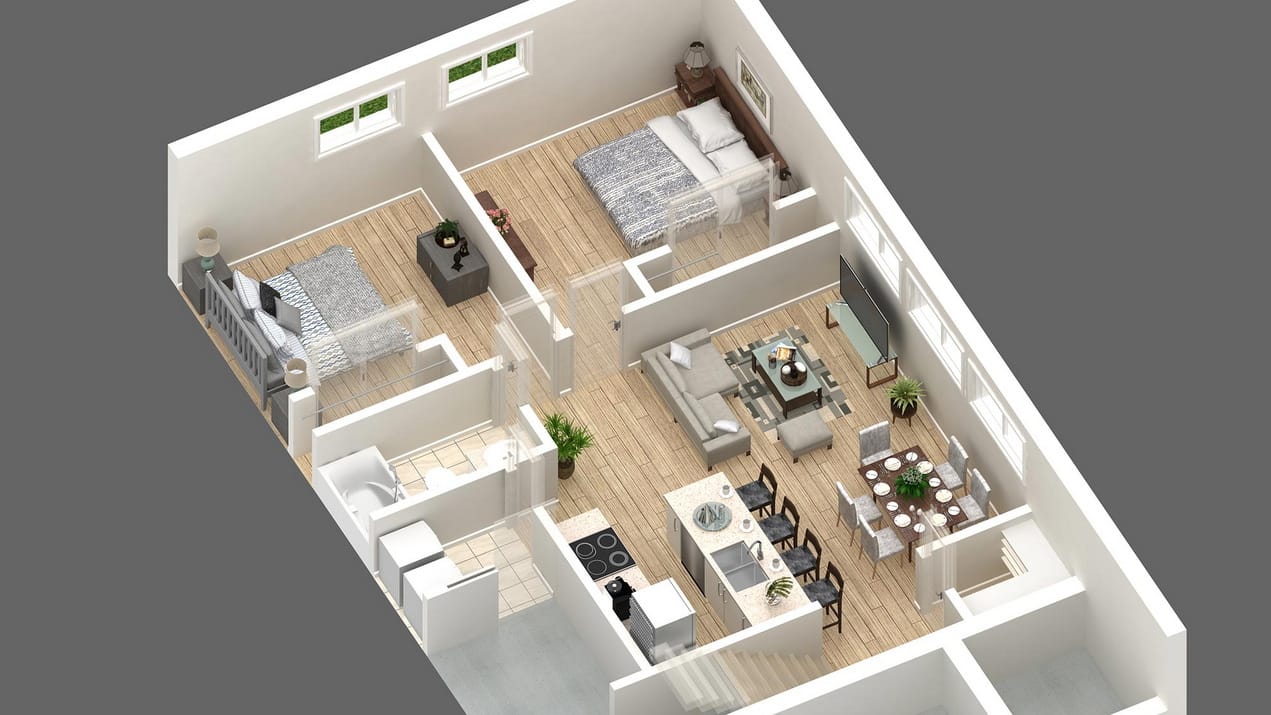
It costs roughly $100,000 extra to finish the basement as an ADU, Bellman says. “The opportunity is there (for) passive income (that) gives you cash flow and helps pay for your mortgage and everything else.”
eQ Homes, which has been selling homes with ADus — called Duo Homes — for two years, says the homes have been well received and account for one in every 30 homes it sells. “Families appreciate the opportunity to own a single-family home, even if they previously thought it was financially out of reach,” says Tobin Kardish, vice-president of strategic growth, adding that banks will recognize them as part of the mortgage process. With an eye to affordability, eQ is about to introduce two new Duo Homes that will fit on a 31-foot lot, including a model home scheduled to open in March at Provence.
For the most part, production builder homes with ADUs will see those secondary units in the basement, generally with a side entry, and in homes that from the outside look like a typical single-family home.
“It’s still a relatively new concept, so the goal is for these homes to blend seamlessly into the existing community esthetic,” says Kardish. “Buyers want the flexibility of an ADU without the home looking like a multi-unit dwelling.”
Similarly, in renovations often the go-to for adding an ADU is to put it in the basement, but permits issued in 2025 show that remodelling a main floor, adding a coach house and other configurations are in the mix as well.
Christopher Mulholland, an architectural designer at Amsted Design-Build and the company’s “zoning guru,” also points to the evolution of the city’s zoning direction, including an overhaul of its bylaws passed in late January, that is giving designers like him more flexibility in what they’re designing. “It’s going to be a very interesting next few years.”
An edited version of this article ran in the Ottawa Citizen on Feb. 7, 2026.